


Introduction
Bordeaux is one of the world’s most important wine regions, and for good reason: it produces everything from structured red blends to fresh white wines and some of the finest sweet wines on earth. For American wine drinkers, Bordeaux can feel both iconic and intimidating, but it doesn’t have to be. At its best, Bordeaux offers clarity, balance, and a sense of place that makes it one of the most rewarding regions to learn.
If you remember one thing, remember this: Bordeaux is not one wine style, but a family of styles shaped by grape blends, riverbanks, and a long tradition of matching wine with food.
For shoppers looking for a reliable wine recommendation, Bordeaux is especially compelling because it spans a wide range of prices and personalities. You can find everyday bottles that deliver great value, as well as legendary estates like Château Margaux that show the region at its most refined. Whether you’re searching for a wine for Bordeaux-style dishes, a classic steak dinner, or a special-occasion dessert wine, Bordeaux offers a perfect match more often than not.
Taste Profile & Characteristics of Bordeaux Wine
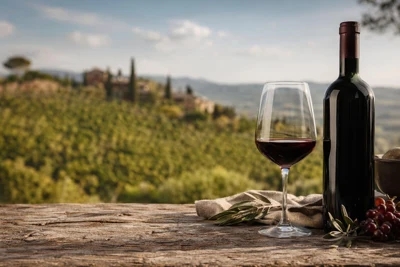
Bordeaux is best known for dry red blends built around Cabernet Sauvignon and Merlot, usually supported by Cabernet Franc, Petit Verdot, and in some wines Malbec or Carmenère. The red wines are typically medium- to full-bodied, with moderate to firm tannin, medium acidity, and flavors that lean more savory and structured than fruity and plush. Think blackcurrant, plum, cedar, tobacco, graphite, dried herbs, and sometimes violet or earth. In warmer or riper vintages, the fruit can feel more generous, but Bordeaux usually keeps a composed, food-friendly frame.
Left Bank wines, especially from areas like Médoc and Graves, often emphasize Cabernet Sauvignon: more cassis, cedar, pencil shavings, and firmer tannins. Right Bank wines, from places like Saint-Émilion and Pomerol, usually show more Merlot: rounder texture, plum, cocoa, and softer edges. The result is a region with real range, but a consistent sense of balance.
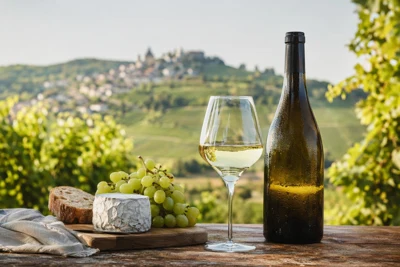
White Bordeaux is often overlooked, yet it deserves attention. Dry whites are commonly made from Sauvignon Blanc and Sémillon, sometimes with Muscadelle, and they tend to show citrus, white peach, herbs, beeswax, and a subtle waxy or creamy texture. Sweet Bordeaux, especially Sauternes, is rich but balanced, with apricot, honey, marmalade, saffron, and botrytis-driven complexity. If you’re looking for a wine pairing that can handle both savory and sweet flavors, Bordeaux is one of the most versatile regions in the world.
Origins & Key Regions
Bordeaux’s identity comes from geography as much as tradition. The region sits in southwest France near the Atlantic, where the Gironde estuary and the Garonne and Dordogne rivers shape climate, soils, and vineyard location. Maritime influence helps moderate temperatures, while gravel, clay, limestone, and sand create distinct growing conditions. Those differences matter because Bordeaux is fundamentally a blend-driven region: producers choose grapes and proportions based on site, style, and vintage.
Historically, Bordeaux became a major wine center through trade, especially with Britain and later global markets. That commercial history helped establish classifications and a prestige hierarchy that still influences how people shop today. But Bordeaux is not only about famous châteaux. It is also about everyday wines from appellations that deliver value and character.
For red Bordeaux, the key areas are the Left Bank and Right Bank. On the Left Bank, Médoc appellations such as Margaux, Pauillac, Saint-Julien, and Haut-Médoc are known for Cabernet Sauvignon dominance and age-worthy structure. Graves and Pessac-Léognan are important for both reds and whites. On the Right Bank, Saint-Émilion and Pomerol are known for Merlot-led blends that tend to be more supple and immediately approachable.
For white Bordeaux, Graves and Pessac-Léognan are especially important. For sweet wine, Sauternes and Barsac are the names to know. Sauternes is made from grapes affected by noble rot, or botrytis cinerea, which concentrates sugars and flavors while preserving acidity. That’s why a good Sauternes feels lush but never cloying.
If you want to understand how Bordeaux fits into modern drinking culture, start with the region’s food-first mindset. It’s a classic wine for Bordeaux-style cooking, grilled meats, roast chicken, mushrooms, and rich sauces. For more on savory pairings, you may also enjoy our Champagne guide and our Barbera guide, both of which show how acidity and structure shape the dining experience.
Recommended Bottles to Try
Below are representative wines from Bordeaux that show the region’s range, from structured reds to elegant white wine and dessert wine.
Château Pape Clément 2019
A classic red Bordeaux from Graves, this wine is a strong example of Cabernet Sauvignon and Merlot working together in a polished, age-worthy style. Expect dark fruit, cedar, spice, and a firm but refined structure. It’s a great choice if you want a serious wine recommendation that shows Bordeaux’s depth without going all the way into trophy-bottle territory.
Château La Tour Carnet 2019
This Haut-Médoc red is a useful benchmark for the Left Bank style: blackcurrant, graphite, tobacco, and a more linear tannic frame. It’s especially helpful for drinkers who want to understand how Cabernet Sauvignon shapes Bordeaux. For many shoppers, it represents the sweet spot between classic structure and relatively accessible pricing.
Château du Tertre Margaux 2019
From Margaux, this wine brings a more aromatic and polished expression of Bordeaux. Margaux is often associated with elegance rather than brute force, and this bottle reflects that with lifted floral notes, red and black fruit, and fine tannins. If you want a perfect match for someone exploring Bordeaux for the first time, this is a great educational bottle.
Domaine de Chevalier Blanc 2020
A standout white Bordeaux, this blend of Sauvignon Blanc and Sémillon shows the region’s fresher, more textural side. Look for citrus, stone fruit, herbs, and a subtle creamy edge. It’s an excellent wine for seafood, roast chicken, or creamy vegetable dishes, and it reminds shoppers that Bordeaux is not only about red wine.
Château Guiraud Sauternes 2019
If you want to understand sweet Bordeaux, this is an essential bottle. Rich yet lifted, it offers apricot, honey, candied citrus, and the complexity that comes from botrytis. It’s a splurge-worthy dessert wine, but even a small pour can transform a meal. For a special-occasion wine recommendation, it’s hard to beat.
Château Margaux 2019
This is the prestige bottle in the lineup and a benchmark for fine Bordeaux. It combines Cabernet Sauvignon structure with remarkable finesse, showing cassis, floral nuance, cedar, and a long, elegant finish. This is the bottle to study if you want to see what Bordeaux can achieve at the highest level. It’s a splurge, but an unforgettable one.
Food Pairings
Bordeaux is one of the easiest regions to pair with food because its best wines are built around balance, structure, and acidity. Red Bordeaux loves protein and savory depth: steak, roast lamb, duck, braised short ribs, mushroom dishes, and hard cheeses are all natural fits. The tannins in Cabernet-based wines help cut through fat, while the wine’s earthy notes echo grilled and roasted flavors. If you’re searching for a wine pairing for a steak night, Bordeaux is a classic answer.
Merlot-forward Bordeaux can be a little softer and more versatile with dishes like roast chicken, pork tenderloin, lentil stews, or pasta with mushrooms and herbs. White Bordeaux works beautifully with shellfish, salmon, chicken with lemon and herbs, goat cheese, asparagus, and creamy sauces. Sweet Sauternes is a dream with foie gras, blue cheese, fruit tarts, almond desserts, or even spicy cuisine where sweetness can cool the heat.
For home cooks looking for a recipe to match Bordeaux, think in terms of savory richness rather than overly spicy heat. Bordeaux shines when the dish has browning, umami, or a sauce with depth. Gastrona can help you find the right wine pairing by connecting Bordeaux styles to specific recipes and cuisines, making it easier to discover a bottle that feels like a perfect match.
How to Serve & Store
Serve most red Bordeaux slightly cool, around 60–65°F, so the fruit stays fresh and the tannins feel balanced. Younger, more structured bottles can benefit from 30–60 minutes of decanting; older bottles may need only a careful splash decant, if any. Use a standard Bordeaux or large red wine glass to help the aromas open up.
White Bordeaux is best served well chilled, around 45–50°F. Sauternes should be cool but not icy, roughly 50–55°F, so its aromatics and texture come through. In terms of aging, many good Bordeaux reds can develop for 5–15 years or more depending on the producer and vintage, while top estates like Château Margaux may age for decades. White Bordeaux and Sauternes can also age beautifully, especially in strong vintages.
Frequently Asked Questions
What does Bordeaux wine taste like?
Bordeaux wine usually tastes structured, balanced, and savory. Red Bordeaux often shows blackcurrant, plum, cedar, tobacco, and earthy notes, with medium to firm tannins. White Bordeaux leans citrusy and herbal, while Sauternes is rich with apricot, honey, and marmalade. The exact profile depends on the appellation and grape blend.
Is Bordeaux a grape or a region?
Bordeaux is a wine region, not a grape. The region produces red blends, white wines, and sweet wines from several grapes. Cabernet Sauvignon and Merlot are the best-known red grapes, while Sauvignon Blanc and Sémillon are key for white and sweet styles. That’s why Bordeaux is so diverse.
What is the best Bordeaux wine for beginners?
A beginner-friendly Bordeaux is usually a fruit-forward, moderately priced red from a well-known appellation like Haut-Médoc or Graves. These wines show the classic style without being too austere. If you want a white option, dry Bordeaux Blanc is fresh and easy to enjoy. Gastrona can help narrow down a wine recommendation by dish.
What food goes best with Bordeaux?
Bordeaux is a natural wine pairing for steak, roast lamb, duck, mushrooms, and hard cheeses. White Bordeaux works with seafood, chicken, and creamy dishes, while Sauternes pairs beautifully with blue cheese and dessert. The region’s wines are built for the table, which is part of their enduring appeal.
Is Bordeaux dry or sweet?
Bordeaux can be dry or sweet. Most red Bordeaux and many white Bordeaux wines are dry. Sauternes and Barsac are the famous sweet wines, made from grapes affected by noble rot. So if you’re shopping, the label and appellation matter a lot.
How long can Bordeaux age?
Many Bordeaux wines can age for years, and top examples can age for decades. More affordable bottles are often best within 3–8 years, while serious classified growths can improve much longer. Sweet Bordeaux also ages very well. The key is producer quality, vintage, and storage.
Conclusion
Bordeaux remains one of the great reference points in wine because it offers range, history, and real usefulness at the table. Whether you’re learning the difference between Left Bank and Right Bank, exploring a fresh white Bordeaux, or treating yourself to a bottle of Sauternes, there is always more to discover. For U.S. drinkers, it’s also a region that rewards curiosity and smart shopping.
If you want a wine that can grow with your palate, Bordeaux is a smart place to start. Use Gastrona to compare styles, find the right wine pairing, and discover a Bordeaux bottle that fits your budget, your meal, and your next perfect match.