


Introduction
Cannoli Siciliani with Ricotta and Pistachio is one of those desserts that feels instantly celebratory. Crisp shells, silky ricotta filling, bright lemon zest, and the nutty crunch of pistachios create a dessert that is elegant but never fussy. It’s the kind of sweet finish that can turn a simple dinner into a memorable one, especially when you bring the right wine pairing to the table.
In the United States, cannoli have become a beloved Italian-American classic, showing up everywhere from holiday spreads to neighborhood bakeries and special-occasion menus. But when you make them at home, you get to control the balance of texture, sweetness, and freshness. That makes Cannoli Siciliani with Ricotta and Pistachio especially rewarding for home cooks who want a dessert that feels both traditional and impressive.
The best part? This recipe opens the door to a world of wine recommendation possibilities. Whether you prefer a bright sparkling wine, a fragrant dessert wine, or a lightly sweet Italian classic, there’s a perfect match waiting to elevate every bite.
About This Dish
Cannoli are among Sicily’s most iconic desserts, with roots that stretch back through centuries of Mediterranean culinary history. While the exact origin story varies, most food historians agree that cannoli were born in Sicily as a festive pastry, traditionally associated with Carnival and special celebrations. Over time, they became a symbol of Sicilian pastry craft: crisp fried shells filled to order with sweetened ricotta cream so the pastry stays shatteringly fresh.
What makes Cannoli Siciliani with Ricotta and Pistachio so special is the balance. The filling is rich but not heavy, sweet but not cloying, and the pistachios add a green, aromatic contrast that feels distinctly Sicilian. Lemon zest brings a lift of brightness that keeps the dessert lively, while the shell adds the all-important crunch. It’s a dessert built on texture as much as flavor.
In American food culture, cannoli have taken on a life of their own. They’re familiar enough to feel comforting, yet refined enough to serve at a dinner party with a thoughtful wine pairing. That versatility is part of their charm. If you’re looking for a dessert recipe that bridges tradition and modern entertaining, cannoli are a beautiful choice. And for wine lovers, they offer a fun challenge: finding a wine for Cannoli Siciliani with Ricotta and Pistachio that complements the creamy filling without overpowering its delicate sweetness.
Key Ingredients & Their Role
At the heart of this recipe is ricotta, the ingredient that defines a great cannoli filling. Ricotta brings a soft, milky richness and a lightly tangy finish that keeps the dessert from tasting flat. For the best texture, the ricotta should be well-drained; otherwise, the filling can become loose and watery. In a wine pairing context, ricotta’s creaminess calls for wines with enough acidity to refresh the palate.
Lemon zest is the quiet star that keeps everything in balance. A small amount adds fragrance, brightness, and a subtle citrus edge that makes the filling taste lighter and more polished. That citrus note is especially helpful when choosing a wine recommendation, because wines with lively acidity, orchard fruit, or citrus-driven aromatics tend to echo the filling beautifully.
Pistachios bring color, crunch, and a savory-sweet nuttiness that makes each bite more complex. Their earthy flavor adds depth to the dessert and creates a natural bridge to wines with nutty, floral, or mineral notes. If you’re serving the cannoli with a wine for Cannoli Siciliani with Ricotta and Pistachio, pistachios also help broaden your options beyond very sweet wines alone.
The shell matters, too. Its crisp, fried texture creates contrast against the smooth filling, which is why cannoli are so satisfying. A good wine pairing should respect that contrast: enough freshness to cut through the cream, enough sweetness to harmonize with the dessert, and enough character to stand up to the pistachio garnish. That’s the secret to finding a perfect match.
Recipe
Cannoli Siciliani with Ricotta and Pistachio
Prep Time: 30 minutes
Cook Time: 15 minutes
Chill Time: 30 minutes
Total Time: 1 hour 15 minutes
Servings: 8 cannoli
Difficulty: Moderate
Ingredients
For the filling:
- 2 cups whole-milk ricotta, well-drained
- 1/2 cup powdered sugar
- 1 teaspoon vanilla extract
- 1 teaspoon finely grated lemon zest
- 1/4 cup mini chocolate chips, optional
- 1/3 cup finely chopped pistachios, plus more for garnish
For the shells:
- 8 cannoli shells, store-bought or homemade
For garnish:
- Extra chopped pistachios
- Powdered sugar, for dusting
Instructions
- Place the drained ricotta in a medium bowl.
- Add the powdered sugar, vanilla extract, and lemon zest.
- Stir until smooth and creamy. Do not overmix.
- Fold in the chopped pistachios and chocolate chips, if using.
- Transfer the filling to a piping bag or a zip-top bag with the corner snipped off.
- Chill the filling for 30 minutes for the best texture.
- Just before serving, pipe the ricotta filling into each cannoli shell from both ends.
- Dip or roll the exposed filling ends in chopped pistachios.
- Dust lightly with powdered sugar and serve immediately.
Nutrition Facts
Per cannoli, approximate:
- Calories: 240
- Fat: 12g
- Saturated Fat: 6g
- Carbohydrates: 25g
- Sugar: 13g
- Protein: 8g
- Sodium: 90mg
Dietary Information
- Contains dairy
- Contains nuts
- Vegetarian
- Can be made with gluten-free shells if needed
Perfect Wine Pairings
Choosing the right wine pairing for Cannoli Siciliani with Ricotta and Pistachio is all about balance. The dessert is creamy and sweet, but not overly rich, which means you want wines with freshness, gentle sweetness, and enough structure to keep each bite lively. A perfect match should cleanse the palate without drowning out the ricotta’s delicate flavor or the pistachios’ nutty finish.
1. Moscato d’Asti
If you want the most classic wine for Cannoli Siciliani with Ricotta and Pistachio, Moscato d’Asti is a natural choice. Its light sweetness, low alcohol, and soft bubbles make it especially friendly with ricotta-based desserts. The wine’s peach, apricot, and orange blossom notes echo the lemon zest and keep the dessert feeling bright. Look for bottles from Italy in the $15-25 range at Total Wine, Trader Joe’s, or local wine shops.
2. Brachetto d’Acqui
For a slightly more playful option, Brachetto d’Acqui offers red berry aromatics, a gentle sparkle, and refreshing sweetness. It works beautifully if you enjoy a wine pairing that feels a little more aromatic and festive. The berry character adds contrast to the creamy filling, while the sweetness keeps the pairing harmonious. This is a great wine recommendation for anyone who wants something distinctive and still very food-friendly.
3. Late-Harvest Riesling
A late-harvest Riesling from Washington State, Oregon, or a trusted German or Austrian import can be a wonderful perfect match. Riesling’s acidity is key here: it cuts through the ricotta and keeps the dessert from feeling too heavy. Look for flavors of honey, stone fruit, and citrus peel. Many bottles in the $18-30 range are widely available at BevMo, Total Wine, and grocery stores.
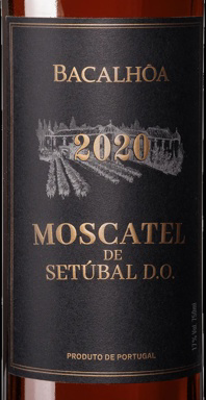
4. Vin Santo or Other Italian Dessert Wine
If you want something more traditional and deeply layered, Vin Santo is an excellent wine for Cannoli Siciliani with Ricotta and Pistachio. Its nutty, dried-fruit profile mirrors the pistachios and adds a lovely sense of warmth. It’s richer than Moscato, so it works best if you prefer a more contemplative wine pairing. Italian imports are often available through specialty retailers and some larger wine shops.
If you prefer a domestic option, look for California sparkling wine with a touch of sweetness or a demi-sec style from Napa or Sonoma. These can be especially appealing for American hosts who want a versatile bottle that feels celebratory and easy to find. Gastrona can help you compare these styles and discover the best wine recommendation for your table.
Cooking Tips & Techniques
The biggest secret to great cannoli is moisture control. Ricotta that isn’t properly drained will loosen the filling and soften the shells too quickly. If possible, drain it in a fine-mesh strainer or cheesecloth for at least a few hours, or overnight if you have time. This one step makes a huge difference in texture and in how well the dessert holds up alongside wine.
Another important tip: fill the shells just before serving. Cannoli are meant to be crisp, and the filling will gradually soften them. If you’re entertaining, prepare the filling in advance and keep it chilled, then pipe it in at the last minute. That gives you the best texture and the cleanest presentation.
Taste the filling before piping. Ricotta varies from brand to brand, so you may want a little more sugar or lemon zest depending on the batch. Keep the flavor balanced rather than overly sweet; that restraint makes the wine pairing more successful.
Finally, don’t skip the pistachios. They aren’t just garnish—they add contrast, color, and a savory note that makes the dessert more interesting. A good cannoli should feel crisp, creamy, and bright all at once. When those elements are in place, the wine for Cannoli Siciliani with Ricotta and Pistachio becomes much easier to choose.
Serving Suggestions
Serve Cannoli Siciliani with Ricotta and Pistachio on a simple white platter or a rustic ceramic plate so the golden shells and green pistachios stand out. A light dusting of powdered sugar just before serving adds a bakery-style finish, while a few extra chopped pistachios around the plate give the presentation a polished look.
For a full dessert course, pair the cannoli with espresso, a small glass of dessert wine, or a sparkling option served well chilled. If you’re hosting a dinner party, place the cannoli on the table after the main course with the wine already poured so guests can enjoy the contrast between the crisp shell and the creamy filling at its best.
This dessert also works beautifully as part of an Italian-inspired spread with fresh berries, biscotti, or a small cheese course. The key is to keep the setting relaxed and elegant. Cannoli are festive by nature, and with the right wine pairing, they feel like a little celebration on the plate.
Conclusion
Cannoli Siciliani with Ricotta and Pistachio is more than a dessert recipe—it’s a celebration of texture, tradition, and flavor. With its creamy filling, crisp shell, and nutty finish, it offers endless possibilities for a smart wine pairing. Whether you choose Moscato d’Asti, late-harvest Riesling, or a classic Italian dessert wine, the right bottle can turn a beloved treat into a true perfect match.
For home cooks and wine lovers in the United States, this is exactly the kind of dish that makes pairing feel fun, approachable, and rewarding. Explore more wine for Cannoli Siciliani with Ricotta and Pistachio ideas with Gastrona, and discover how easy it can be to bring great food and great wine together.