


Introduction
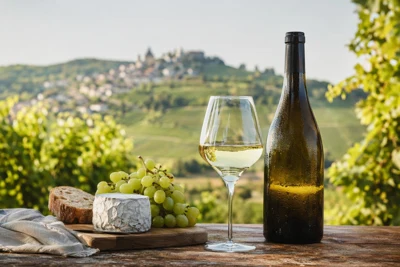
Pinot Gris is one of the most useful white grapes to know if you like wines that are versatile, food-friendly, and easy to enjoy. Depending on where it’s grown, Pinot Gris can be crisp and citrusy, round and pear-scented, or even rich and slightly spicy. That range is exactly why it matters: this is a grape that can meet you where you are, whether you want a fresh aperitif, a reliable dinner wine, or a smart wine recommendation for a wide variety of dishes.
In the United States, Pinot Gris also fits the way many people eat. It works with salads, seafood, roast chicken, noodles, spicy takeout, and plenty of weeknight recipes. If you remember one thing, remember this: Pinot Gris is a chameleon grape, but its best bottles always balance fruit, texture, and freshness.
Taste Profile & Characteristics of Pinot Gris
Pinot Gris is usually a medium-bodied white wine, though it can feel lighter or richer depending on climate and winemaking. Its acidity is generally moderate to bright, which gives the wine lift and makes it a strong candidate for wine pairing. In cooler regions, Pinot Gris often tastes zesty and clean, with notes of green pear, apple, lemon peel, white flowers, and sometimes wet stone. In warmer climates, it can become more generous and textured, showing ripe pear, peach, melon, spice, and a subtle almond note.
What makes Pinot Gris distinctive is its texture. Compared with sharper whites like Sauvignon Blanc, Pinot Gris often feels a little rounder and more supple on the palate. Compared with aromatic wines that can lean sweet, a well-made dry Pinot Gris stays balanced and food-friendly. Some versions are fermented or aged in ways that add a creamy, slightly oily mouthfeel, while others remain crisp and linear.
The grape’s skin has a grayish-pink hue, which is reflected in the name “gris.” That darker skin does not mean the wine is red; it simply contributes to Pinot Gris’s personality and occasional depth of flavor. In Alsace, Pinot Gris can be ripe, smoky, and powerful. In Oregon, it often shows a clean, orchard-fruit profile with excellent freshness. In Italy, especially as Pinot Grigio, it is frequently lighter, brisker, and more neutral in style. That range is useful for shoppers looking for a wine for Pinot Gris that fits both palate and occasion.
Origins & Key Regions for Pinot Gris
Pinot Gris is a mutation of the Pinot family, closely related to Pinot Noir and Pinot Blanc. Historically, it likely emerged in Burgundy before spreading across Europe. Today, it is grown widely, but the most important regions are those that have developed a clear identity around it.
France’s Alsace remains one of the benchmark regions for Pinot Gris. There, the grape benefits from a relatively dry climate and long ripening season, which helps preserve freshness while building flavor intensity. Alsace Pinot Gris is often fuller-bodied than many people expect, with pear, spice, smoke, and sometimes a touch of residual sugar. That combination makes it especially useful for richer dishes and a strong perfect match for Asian-inspired food.
Italy’s northeastern regions, especially Friuli-Venezia Giulia and Alto Adige, are central to the Pinot Grigio style many American drinkers know. These wines are usually leaner, fresher, and more straightforward, emphasizing citrus, green apple, and mineral notes. They are among the most accessible entry points for the grape.
In the United States, Oregon is especially important. Oregon’s cool climate and Pinot Noir culture have made it a natural home for elegant Pinot Gris with orchard fruit, citrus, and a clean finish. California, particularly cooler coastal areas, can produce richer, more fruit-forward styles. Washington State also offers value-driven bottles with ripe fruit and good structure.
For shoppers in the U.S. who want a practical wine recommendation, the grape’s range is a strength. If you like crisp and easygoing, look toward Italy or cooler U.S. regions. If you want more body and complexity, Alsace or select dry wines from Luxembourg and neighboring European regions can be excellent. For a broader look at how white wines fit into everyday meals, you may also enjoy our Sauvignon Blanc guide.
Recommended Bottles to Try
Here are several representative bottles that show how Pinot Gris can vary across regions and styles. All are useful examples if you’re building confidence and looking for a reliable wine for Pinot Gris.
1. Domaines Vinsmoselle Pinot Gris Grand Premier Cru Wormeldange Koeppchen — Moselle Valley, Luxembourg. This is a more serious, site-specific expression and a great example of how Pinot Gris can gain depth and mineral detail in a cool-climate European setting. Expect a polished texture, ripe orchard fruit, and a more layered finish. This is a smart splurge bottle for drinkers who want to see Pinot Gris at its most refined.
2. Domaine Laurent et Rita Kox Pinot Gris — Moselle Valley, Luxembourg. A classic value choice that should deliver balance, freshness, and a gently rounded palate. It’s the kind of bottle that helps explain why Pinot Gris is such a versatile wine recommendation: it can be flavorful without being heavy, making it ideal for everyday meals.
3. Domaine Mathis Bastian Pinot Gris — Moselle Valley, Luxembourg. Another strong example of cool-climate European Pinot Gris, likely showing pear, apple, citrus, and a clean mineral edge. This is a good bottle to buy if you want a wine that feels more structured than simple entry-level Pinot Grigio.
4. Domaines Vinsmoselle Pinot Gris 2019 — Moselle Valley, Luxembourg. With a little bottle age, Pinot Gris can gain softness and nuance. This wine is worth trying if you want to understand how the grape develops beyond primary fruit. It’s a useful bottle for comparing youthful freshness with a slightly more mature profile.
5. St. Martinus Pinot Gris — Limburg, Netherlands. A distinctive, lesser-known option that can be especially appealing to curious drinkers. It offers a chance to explore Pinot Gris outside the usual countries and can be a fun conversation bottle. Good value seekers should keep an eye on it.
6. Junge Herrschaft Grauburgunder — Herrschaft region, Liechtenstein. “Grauburgunder” is the German name for Pinot Gris, and this bottle is a reminder that the grape can thrive in cool, alpine-influenced conditions. Expect freshness, precision, and a clean finish. This is an excellent choice for shoppers who want something distinctive and food-friendly.
If you’re browsing for the best wine recommendation in the $15–30 range, these bottles are especially useful because they show how Pinot Gris can be both approachable and expressive. For readers who enjoy comparing white-wine personalities, our Moscato guide is a helpful contrast in sweetness and aromatics.
Food Pairings
Pinot Gris is one of the easiest white wines to pair with food because it has enough acidity to refresh the palate and enough body to stand up to a wide range of dishes. That makes it a reliable wine pairing choice for home cooks and restaurant diners alike.
With lighter, crisper Pinot Gris, think seafood, sushi, ceviche, oysters, shrimp tacos, green salads, and simple roast chicken. The wine’s citrus and pear notes work especially well with dishes that have herbs, lemon, or mild spice. A dry Pinot Gris can also be a great wine for Pinot Gris when you’re serving vegetable-forward meals, grain bowls, or creamy pasta with restraint rather than heaviness.
Richer styles from Alsace or more textured European regions pair beautifully with roast pork, mushroom dishes, chicken in cream sauce, salmon, and dishes with warm spices like ginger, turmeric, and five-spice. That slightly fuller body makes Pinot Gris a perfect match for many Asian cuisines, especially Vietnamese, Thai, and Chinese dishes that balance sweetness, salt, and heat.
If you’re looking for a practical recipe pairing strategy, start with the sauce and seasoning: citrus, herbs, cream, and gentle spice all point toward Pinot Gris. For more food-friendly white-wine ideas, our Sauvignon Blanc guide offers useful contrast.
How to Serve & Store Pinot Gris
Serve Pinot Gris well chilled, but not ice-cold. A range of about 45–50°F works well for most styles, with richer bottles allowed to warm slightly in the glass. Use a standard white-wine glass or a slightly tulip-shaped glass to capture aroma without losing freshness.
Decanting is usually unnecessary, though a more structured or ageworthy bottle can benefit from a short rest in the glass. Most Pinot Gris is best enjoyed young, within 1–3 years of release, when its fruit and freshness are most vivid. More concentrated examples can age a bit longer, especially if they come from cooler European regions.
Frequently Asked Questions
Is Pinot Gris the same as Pinot Grigio?
Yes, they are the same grape. The difference is usually style and region, not the variety itself. Pinot Grigio is the Italian name and often refers to lighter, crisper wines, while Pinot Gris often suggests fuller, rounder styles from France, the U.S., or other cool-climate regions.
Is Pinot Gris sweet or dry?
It can be either, but most Pinot Gris sold in the U.S. is dry to off-dry. Italian Pinot Grigio is usually dry and crisp, while Alsace Pinot Gris may have more body and sometimes a touch of sweetness. Always check the producer style if you want a specific wine recommendation.
What foods pair best with Pinot Gris?
Pinot Gris is a flexible wine pairing choice for seafood, roast chicken, salads, pork, mushrooms, and many Asian dishes. Lighter versions suit delicate foods, while richer bottles can handle cream sauces and savory spice. It is especially useful when you want one white wine that works across the table.
Is Pinot Gris good for beginners?
Absolutely. Pinot Gris is approachable, easy to understand, and widely available. It usually offers familiar fruit flavors like pear, apple, and citrus without being too sweet or too sharp. That makes it a great starting point for anyone exploring white wine styles.
What is the best wine for Pinot Gris if I like food-friendly whites?
If you like balanced, food-friendly whites, look for dry Pinot Gris from Oregon, Alsace, or cool European regions such as Luxembourg. These wines tend to offer freshness, texture, and enough flavor to work with a wide range of recipes and cuisines.
How should I choose a good Pinot Gris at the store?
Start with the region and style. Italy usually means lighter and crisper; Alsace often means richer and more complex; Oregon and Washington often land in the middle with good value. If you want a reliable wine recommendation, look for bottles with moderate alcohol and clear producer information.
Conclusion
Pinot Gris deserves a place in every curious wine drinker’s rotation because it is flexible, food-friendly, and full of personality. It can be zesty or textured, simple or layered, and it adapts beautifully to the way Americans eat today. Whether you want a weekday bottle, a dinner-party white, or a new wine for Pinot Gris to explore by region, this grape offers real range without asking you to overthink it.
Use Gastrona to compare styles, discover new bottles, and find the perfect match for your next meal. If you’ve enjoyed Pinot Gris, keep exploring nearby white-wine styles and see how different regions shape flavor, texture, and value.