

Introduction
If you’ve been searching for how to make polenta in a way that feels a little more special than the usual weeknight dinner, this is the recipe to keep close. Polenta with braised beef is the kind of dish that fills the kitchen with the scent of red wine, herbs, and slowly simmered richness, then lands on the table looking rustic, generous, and deeply satisfying. It’s comfort food with a quietly elegant streak.
What makes this dish so appealing is the contrast: creamy, buttery polenta underneath tender beef that has been braised until it practically falls apart, all tied together with a savory sauce that tastes even better the next day. It’s the sort of meal that invites conversation, second helpings, and, of course, a thoughtful wine pairing.
For home cooks in the United States, this is also a very approachable dish. The ingredients are easy to find at Total Wine, Trader Joe’s, BevMo, and local wine shops, and the finished plate pairs beautifully with wines that offer value without sacrificing character. If you want to master how to make polenta and serve it with a wine that makes the whole meal shine, you’re in exactly the right place.
About This Dish
Polenta has long been a staple of Northern Italian cooking, where it began as a humble, nourishing dish made from ground grains and water. Over time, it evolved into something much more versatile: creamy when served soft, firm when chilled and sliced, and endlessly adaptable to meats, vegetables, and sauces. In Italian-American kitchens, polenta has found a natural home alongside braised meats, tomato-rich ragùs, mushrooms, and slow-cooked Sunday suppers.
Braised beef, meanwhile, is one of those preparations that rewards patience. Tougher cuts become luxurious after a long, gentle cook in wine, stock, aromatics, and herbs. When paired with polenta, the beef’s deep, savory flavor gets a perfect canvas. The creamy cornmeal softens the intensity of the sauce, while the sauce gives the polenta purpose and depth.
That balance is why this dish feels so timeless. It is rustic, yes, but never plain. It is comforting, but still layered and refined. In modern American food culture, where we love dishes that feel both homey and restaurant-worthy, polenta with braised beef fits right in. It’s also a wonderful example of how how to make polenta can become more than a technique—it becomes a way to build a memorable meal. And because the dish is rich, savory, and slightly spiced, it opens the door to excellent wine pairing possibilities.
Key Ingredients & Their Role
The beauty of this dish lies in a short list of ingredients that each play a very specific role. Once you understand how they work together, how to make polenta becomes much easier to master.
Cornmeal is the foundation. When cooked slowly, it transforms from gritty and raw into creamy, warm, and deeply comforting. It brings gentle sweetness and a subtle grainy texture that balances the richness of the beef. For the best result, use medium or coarse-ground cornmeal rather than instant polenta if you want a fuller texture and more flavor.
Beef provides the backbone of the dish. A well-marbled cut such as chuck is ideal for braising because it becomes tender without drying out. As it cooks, the meat releases collagen and flavor into the sauce, creating that silky, spoon-coating quality everyone loves in a braised dish.
Red wine is not just an ingredient here—it’s part of the flavor architecture. It adds acidity, structure, and a dark fruit note that lifts the beef and keeps the sauce from feeling heavy. This is also where the connection to wine pairing becomes especially interesting, because the wine in the pot often hints at the style you’ll want in the glass.
Aromatics like onion, garlic, carrot, and celery create the savory base, while herbs such as thyme, rosemary, or bay leaf add warmth and fragrance. Tomato paste deepens the sauce with umami and a touch of sweetness. Stock rounds everything out. A little butter or Parmesan in the polenta adds richness and a creamy finish.
When thinking about how to make polenta for this dish, remember that texture matters as much as flavor. The polenta should be soft enough to cradle the braised beef, but not so loose that it disappears. The beef should be tender enough to shred, but still substantial. Together, they create a satisfying contrast that makes each bite feel complete.
Recipe
Polenta with Braised Beef
Prep time: 25 minutes Cook time: 2 hours 45 minutes Total time: 3 hours 10 minutes Servings: 6 Difficulty: Intermediate
Ingredients
For the braised beef
- 2 1/2 pounds beef chuck, cut into large chunks
- 2 tablespoons olive oil
- 1 large yellow onion, diced
- 2 carrots, diced
- 2 celery stalks, diced
- 4 garlic cloves, minced
- 2 tablespoons tomato paste
- 2 cups dry red wine
- 2 cups beef stock
- 2 sprigs fresh thyme
- 1 sprig fresh rosemary
- 1 bay leaf
- 1 teaspoon kosher salt, plus more to taste
- 1/2 teaspoon black pepper
- 1 tablespoon all-purpose flour, optional for slight thickening
For the polenta
- 1 1/2 cups medium-ground cornmeal
- 6 cups water or low-sodium stock
- 1 teaspoon kosher salt
- 2 tablespoons unsalted butter
- 1/2 cup grated Parmesan cheese
- Freshly ground black pepper, to taste
To serve
- Chopped parsley
- Extra Parmesan, optional
Instructions
- Prepare the beef. Pat the beef dry and season it with salt and pepper.
- Sear the meat. Heat olive oil in a heavy pot or Dutch oven over medium-high heat. Brown the beef in batches on all sides, then transfer it to a plate.
- Build the base. Add onion, carrots, and celery to the pot. Cook until softened, about 6 to 8 minutes. Stir in garlic and tomato paste and cook for 1 minute.
- Deglaze with wine. Pour in the red wine, scraping up any browned bits from the bottom of the pot. Simmer for 3 to 5 minutes.
- Braise. Add beef stock, thyme, rosemary, bay leaf, and the seared beef. Bring to a gentle simmer, cover, and cook on low heat for about 2 to 2 1/2 hours, until the beef is fork-tender. If you want a slightly thicker sauce, stir in the flour during the last 15 minutes.
- Cook the polenta. Bring the water or stock to a boil in a separate pot. Slowly whisk in the cornmeal, reducing the heat to low as soon as it thickens.
- Stir and finish. Cook the polenta, stirring often, until creamy and tender, about 25 to 30 minutes. Stir in butter and Parmesan, then season with salt and pepper.
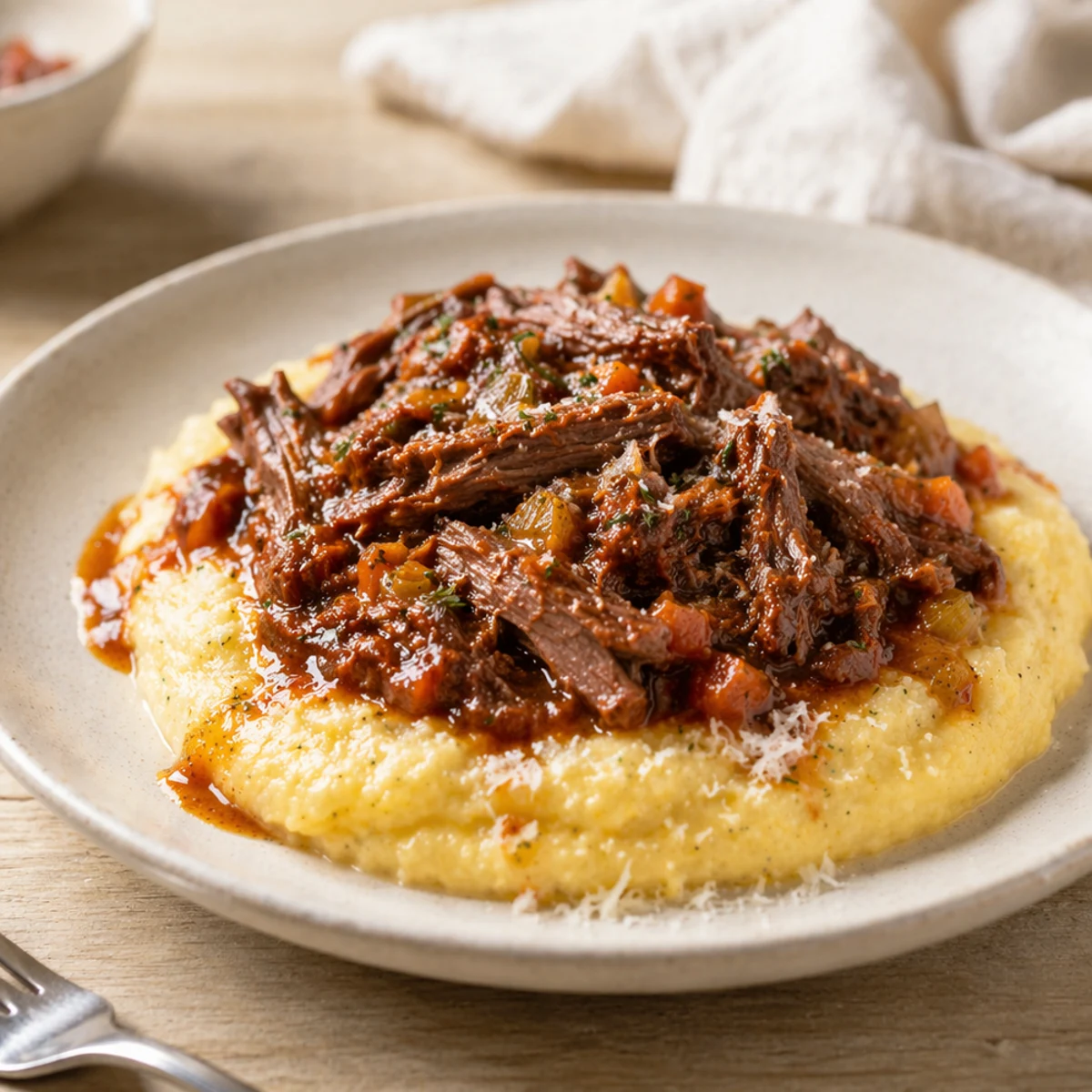
- Serve. Spoon the polenta into shallow bowls and top with braised beef and plenty of sauce. Finish with parsley and extra Parmesan if desired.
Nutrition Facts
Estimated per serving
- Calories: 620
- Protein: 38g
- Fat: 28g
- Carbohydrates: 42g
- Fiber: 4g
- Sugar: 5g
- Sodium: 780mg
Dietary Information
- Contains dairy
- Contains gluten if flour is used
- Naturally nut-free
- Can be made gluten-free by omitting flour or using a gluten-free thickener
Perfect Wine Pairings
When it comes to wine pairing for polenta with braised beef, the goal is simple: match the dish’s richness without overwhelming the creamy polenta or the slow-cooked beef. You want a wine with enough acidity to lift the sauce, enough body to stand up to the meat, and tannins that are present but not aggressive. Because the dish includes red wine and savory aromatics, wines with dark fruit, earth, and spice tend to work especially well.
1. California Cabernet Sauvignon
A well-balanced Cabernet from Napa or Sonoma is a classic choice if you want structure and depth. Look for bottles with ripe blackberry fruit, moderate tannins, and a touch of oak rather than overly extracted styles. The beef loves Cabernet’s savory backbone, and the wine’s acidity helps cut through the richness of the polenta. In the U.S., good-value options are often available at Total Wine, BevMo, and many grocery stores in the $15–30 range.
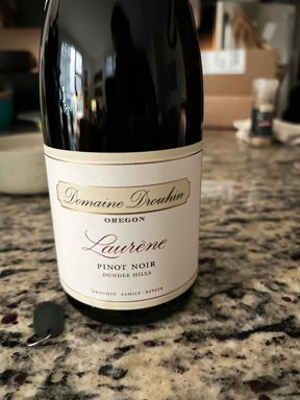
2. Oregon Pinot Noir
If you prefer something a little lighter and more nuanced, Oregon Pinot Noir is a beautiful match. Its bright acidity, red cherry fruit, and earthy notes echo the herbs and braising liquid without overshadowing the dish. This is a great pick if you want a more graceful wine recommendation that still feels food-friendly. Trader Joe’s and local wine shops often carry approachable bottles from the Willamette Valley.
3. Italian Barbera or Chianti Classico
For a more traditional pairing, Italian reds are hard to beat. Barbera offers juicy fruit and lively acidity, which works wonderfully with the tomato paste and wine sauce. Chianti Classico brings Sangiovese’s savory cherry and herbal character, making it one of the best answers to what wine goes with braised beef and polenta. These imports are widely available and often excellent value.
4. Washington State Syrah
If you want a deeper, spicier option, Washington Syrah is a standout. It tends to show black fruit, pepper, smoked meat, and a polished texture that complements the dish’s savory profile. This is a particularly good choice if your braise leans more herbaceous or peppery. It’s a smart best wine for readers who want something bold but not too heavy.
What to look for
For this dish, prioritize medium-to-full body, medium acidity, and tannins that are smooth rather than sharp. Avoid wines that are overly sweet or heavily oaked, since they can make the sauce taste flatter. If you’re shopping at Total Wine, Trader Joe’s, BevMo, or a neighborhood wine shop, ask for a red that is food-friendly, balanced, and priced around $15–30. Gastrona can help narrow those choices fast, especially if you want a personalized wine pairing based on the exact bottle you have at home.
Cooking Tips & Techniques
If you want truly excellent results, a few small details matter. First, don’t rush the sear. Browning the beef properly builds flavor before the braise even begins. Work in batches so the meat browns instead of steaming. That caramelization gives the sauce its depth.
Second, let the wine reduce a bit before adding the stock. This concentrates the flavor and removes any harsh alcohol edge. Since how to make polenta is partly about layering flavor, this step matters more than it may seem.
For the polenta, whisk gradually and keep the heat low once it starts to thicken. Stir often so it stays smooth and doesn’t catch on the bottom of the pot. If it gets too thick, just loosen it with a splash of hot water or stock. That flexibility is one of the reasons how to make polenta is such a useful skill in the kitchen.
Also, taste as you go. Braises often need a final adjustment of salt or pepper right before serving. A little extra acidity, such as a splash of vinegar or lemon juice, can brighten the sauce if it tastes too heavy. Finally, remember that braised beef often tastes even better after resting, so don’t hesitate to make it a few hours ahead.
Serving Suggestions
Serve the polenta in warm shallow bowls so the sauce can pool around the edges and the beef stays front and center. A generous spoonful of braised beef over the creamy cornmeal looks rustic and inviting, especially when finished with chopped parsley and a snowfall of Parmesan.
For sides, keep things simple. A crisp green salad with a sharp vinaigrette helps balance the richness, and roasted broccolini or green beans bring freshness and color to the plate. If you’re hosting, a loaf of crusty bread is always welcome for mopping up the sauce.
This is a dish that feels right for a cozy Saturday night, a dinner party with friends, or even a slower Sunday meal. It pairs beautifully with candlelight, a relaxed table, and a bottle that invites conversation. If you’re exploring how to make polenta for the first time, serving it this way makes the whole experience feel special without being fussy.
Conclusion
Polenta with braised beef is proof that simple ingredients can create a truly memorable meal when treated with care. Once you learn how to make polenta, you unlock a dish that is comforting, elegant, and endlessly adaptable. Add a thoughtful wine pairing, and it becomes something even better: a dinner that feels complete.
Whether you reach for a Napa Cabernet, an Oregon Pinot Noir, an Italian red, or a Washington Syrah, the right bottle will make the flavors come alive. And if you want help choosing the perfect match, Gastrona makes it easy to discover wine pairings that suit your taste, your budget, and your table. Try the recipe, pour a glass, and enjoy every rich, savory bite.