


Introduction
If you love pork tenderloin recipes that feel elegant but still fit a weeknight table, this Belgian-style mustard version deserves a spot in your rotation. Tender pork, sharp Dijon mustard, and silky crème fraîche come together in a sauce that is bright, creamy, and deeply satisfying. It is the kind of dish that tastes like you put in much more effort than you actually did.
What makes this recipe especially appealing is how naturally it invites a great wine pairing. The mustard brings lively acidity and a gentle bite, while the crème fraîche softens everything with richness. That balance opens the door to wines with freshness, texture, and enough character to stand up to the sauce without overpowering the pork. Whether you are searching for the best pork tenderloin recipe for a dinner party or simply browsing pork tenderloin recipes oven for a reliable family meal, this dish delivers comfort and polish in equal measure.
It is also a smart choice for anyone exploring top rated pork tenderloin recipes and wanting something approachable, flavorful, and easy to pair with wine from Total Wine, Trader Joe’s, BevMo, or your favorite local shop.
About This Dish
Belgian-style mustard pork sits at the crossroads of comfort food and European bistro cooking. While pork tenderloin has long been a favorite in American kitchens for its tenderness and quick cooking time, the mustard-and-creme-fraîche treatment gives it a distinctly continental feel. The flavor profile is simple on paper, but in the pan it becomes something more refined: savory pork, pungent mustard, and a sauce that is both tangy and lush.
This style of dish reflects a broader European tradition of using mustard as more than a condiment. In French and Belgian cooking, mustard often acts as a seasoning, a sauce base, and a bridge between richness and acidity. That is why this recipe feels so balanced. The pork brings mild sweetness, the mustard adds sharpness and depth, and the crème fraîche rounds everything out with a subtle lactic tang.
In the United States, this kind of dish fits beautifully into modern home cooking. It is familiar enough to be comforting, yet sophisticated enough to feel special. It works for date night, Sunday supper, or even a holiday meal when you want something less heavy than roast beef or braised lamb. For readers exploring more pork tenderloin recipes, this one stands out because it is fast, elegant, and highly adaptable. It also offers a strong foundation for wine pairing, which is part of what makes it such a rewarding dish to cook and serve.
Key Ingredients & Their Role
The success of this dish depends on a short list of ingredients that each play a clear role. First is the pork tenderloin itself: lean, tender, and quick-cooking. Because it has a delicate flavor, it absorbs seasoning well and pairs beautifully with sauces that bring contrast. That makes it ideal for baked pork tenderloin preparations and other pork tenderloin recipes oven styles where the meat stays juicy and clean-tasting.
Next comes Dijon mustard, the ingredient that gives the dish its signature personality. Dijon adds sharpness, a little heat, and a savory edge that wakes up the palate. It also helps create a sauce with structure, which matters when pairing with wine. A sauce that is too sweet or too heavy can flatten a wine, but mustard keeps the dish lively.
Crème fraîche is the balancing element. It softens the mustard’s bite while adding body and a luxurious texture. Compared with heavy cream, crème fraîche brings a brighter, slightly tangy finish, which makes the sauce feel more elegant and less cloying. That tang is especially helpful when considering wine, because it means the dish can support whites with crisp acidity or reds with gentle tannins.
Supporting ingredients like garlic, shallots, butter, salt, pepper, and fresh herbs deepen the savory base. A splash of stock or wine can further lift the sauce. If you are searching for the best pork tenderloin recipe, the secret is not complexity; it is balance. This is one of those pork tenderloin recipes where each ingredient earns its place, and the final result tastes far greater than the sum of its parts.
Recipe
Pork Tenderloin with Mustard Belgian Style
Prep Time: 15 minutes Cook Time: 20 minutes Total Time: 35 minutes Servings: 4 Difficulty: Easy
Ingredients
- 1 1/2 pounds pork tenderloin
- 1 tablespoon olive oil
- 1 tablespoon unsalted butter
- 1 small shallot, finely minced
- 2 cloves garlic, minced
- 1/3 cup Dijon mustard
- 1/2 cup crème fraîche
- 1/4 cup chicken stock
- 1 teaspoon fresh thyme leaves, or 1/2 teaspoon dried thyme
- 1/2 teaspoon kosher salt, plus more to taste
- 1/4 teaspoon freshly ground black pepper
- Optional: 1 tablespoon dry white wine for the sauce
- Optional garnish: chopped parsley
Instructions
- Preheat the oven to 400°F.
- Pat the pork tenderloin dry with paper towels, then season it with salt and pepper.
- Sear the pork: Heat olive oil and butter in an oven-safe skillet over medium-high heat. Sear the tenderloin on all sides until golden brown, about 4–5 minutes total.
- Build the sauce base: Reduce the heat to medium. Add the shallot and cook for 1 minute, then add the garlic and thyme and cook for 30 seconds.
- Add the mustard mixture: Stir in the Dijon mustard, chicken stock, and optional white wine. Scrape up any browned bits from the pan.
- Finish with crème fraîche: Remove the skillet from the heat and stir in the crème fraîche until smooth.
- Roast: Transfer the skillet to the oven and roast for 12–15 minutes, or until the pork reaches 145°F at the thickest part.
- Rest the pork: Remove from the oven and let it rest for 5 minutes before slicing.
- Serve: Slice the pork and spoon the mustard sauce over the top. Garnish with parsley if desired.
Nutrition Facts
Per serving, approximate:
- Calories: 325
- Protein: 34g
- Fat: 17g
- Carbohydrates: 4g
- Fiber: 0g
- Sugar: 1g
- Sodium: 620mg
Dietary Information
- Gluten-free
- High-protein
- Low-carb
- Nut-free
- Contains dairy
Perfect Wine Pairings
The best wine for Pork Tenderloin with Mustard Belgian Style needs to do three things well: match the mustard’s tang, complement the creamy sauce, and respect the pork’s delicate texture. That is why wines with bright acidity, moderate body, and clean fruit are the safest and most satisfying choices. This is not a dish that needs heavy oak or aggressive tannins. It needs freshness, lift, and enough structure to carry the sauce.
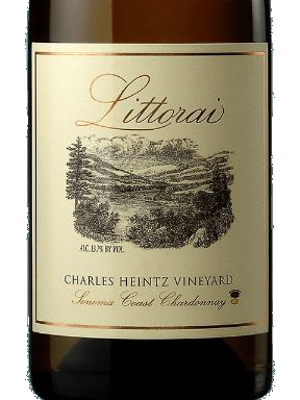
The strongest verified pairing here is Pernand-Vergelesses 1er Cru 'Sous Frétille' Blanc by Domaine Françoise André. With Chardonnay’s balance of acidity, texture, and subtle richness, it is an excellent match for the mustard-cream sauce. In the U.S., Chardonnay from California or Burgundy-style bottles in the $15–30 range can often be found at Total Wine, Trader Joe’s, BevMo, and independent wine shops. Look for wines with restrained oak and a crisp finish.
A second strong choice is Pouilly-Fumé by Monmousseau. Sauvignon Blanc’s citrus, herbal notes, and lively acidity work especially well with Dijon mustard. If you like a brighter, more zesty pairing, this is a smart option. It is also a very accessible style to find in American retail, especially among French imports.
For red wine lovers, Morey-Saint-Denis Tres Girard by Domaine Cecile Tremblay shows that Pinot Noir can work if it stays elegant and finely textured. A light-bodied Oregon Pinot Noir is the most practical U.S. style to seek out, especially from Oregon or Sonoma. This is one of those pork tenderloin recipes where Pinot Noir makes sense because the dish is savory, not sweet, and the sauce has enough acidity to keep the pairing lively.
If you want something a little more offbeat, Grüner Veltliner is also a good fit. Its white pepper, citrus, and mineral profile complements the mustard while keeping the palate refreshed. For shoppers looking for value, this is a style that often lands comfortably in the $15–30 range.
In short, the best wine pairing for this dish is one that feels precise rather than powerful. If you are using Gastrona, it can help you compare these styles and find the most accessible bottle for your table.
Cooking Tips & Techniques
For the best results, start with a dry surface on the pork. Patting the tenderloin dry helps it brown properly, which means more flavor in the pan and a better sauce base. Searing is not optional here; it is the step that gives the dish depth and keeps it from tasting flat. Many home cooks rush the sear, but a good golden crust makes a big difference in pork tenderloin recipes like this one.
Use an oven-safe skillet so you can move seamlessly from stovetop to oven. That keeps the sauce concentrated and minimizes cleanup. Be careful not to overcook the pork: tenderloin is lean, so it can go from juicy to dry quickly. A thermometer is your best friend. Pull the meat at 145°F and let it rest before slicing.
When adding crème fraîche, do it off the heat or over very low heat to keep the sauce smooth. High heat can cause dairy to separate, especially if the mustard and stock are already hot. If the sauce seems too thick, loosen it with a splash of stock. If it tastes too sharp, a small knob of butter can round it out.
If you are developing your own pork tenderloin recipes oven routine, remember that the sauce should taste slightly bold in the pan. Once it coats the pork, the flavors will mellow. That is one of the secrets behind the best pork tenderloin recipe: season confidently, then finish gently.
Serving Suggestions
Serve this pork tenderloin sliced into medallions and fanned across a warm platter, then spoon the mustard sauce over the top so the meat glistens. A sprinkle of chopped parsley or fresh thyme adds color and a fresh aroma. Because the sauce is rich but not heavy, the dish pairs well with simple sides that let the pork shine.
Creamy mashed potatoes, buttered egg noodles, roasted carrots, haricots verts, or a crisp green salad all work beautifully. If you want a more rustic presentation, serve it with crusty bread to catch the sauce. For a more elegant dinner, plate it with a mound of potato purée and a few roasted vegetables for contrast.
This is also a great dish for a relaxed wine-focused evening. Open the bottle a little early, let it breathe, and serve the wine slightly cool if it is white or just below room temperature if it is red. Whether you are cooking for family or friends, this recipe turns an ordinary evening into something memorable. It is one of those pork tenderloin recipes that feels equally at home on a casual table or a special-occasion menu.
Frequently Asked Questions
What wine goes with Pork Tenderloin with Mustard Belgian Style?
The best wine pairing is usually a crisp white with good acidity, such as Chardonnay or Sauvignon Blanc, or a light Pinot Noir if you prefer red. The mustard and crème fraîche need freshness and balance, so avoid heavy, overly oaky wines. Gastrona can help narrow down the best match for your taste.
Is baked pork tenderloin a good choice for this recipe?
Yes. This recipe works very well as baked pork tenderloin because the oven finishes the meat gently after searing. That keeps the pork juicy while the mustard sauce stays silky. It is one of the easiest pork tenderloin recipes to make confidently at home.
What is the best pork tenderloin recipe for beginners?
The best pork tenderloin recipe for beginners is one with a short ingredient list, clear steps, and a reliable thermometer check. This mustard Belgian-style version is ideal because the sauce is simple, the cooking time is short, and the flavors are forgiving even if you are new to cooking pork.
Can I use leftover pork tenderloin in a recipe?
Yes, and this is a great answer to how to use leftover pork tenderloin in a recipe. Slice it thin for sandwiches, chop it into a grain bowl, or reheat it gently and serve over noodles with extra mustard sauce. Just avoid overcooking leftovers so the meat stays tender.
What are the best wines for pork tenderloin recipes oven style meals?
For pork tenderloin recipes oven style meals, look for medium-bodied whites like Chardonnay or Grüner Veltliner, or a light red like Pinot Noir. The goal is to match the pork’s tenderness and support the sauce without overwhelming it. Fresh acidity is especially important with mustard-based dishes.
Are there top rated pork tenderloin recipes that pair well with wine?
Absolutely. Many top rated pork tenderloin recipes use mustard, herbs, or fruit-based sauces because those flavors pair naturally with wine. This Belgian-style version is especially wine-friendly thanks to its tangy, creamy profile. It is an easy dish to match with both Old World and New World bottles.
Conclusion
If you are looking for pork tenderloin recipes that feel special without being complicated, this Belgian-style mustard version is a standout. It is quick to prepare, full of character, and flexible enough to pair with a range of wines from Burgundy-inspired Chardonnay to bright Sauvignon Blanc or elegant Pinot Noir. That balance of simplicity and sophistication is exactly what makes it such a rewarding dish.
The next time you want a dinner that delivers comfort, polish, and a memorable wine pairing, give this recipe a try. And if you want help finding the perfect bottle, Gastrona makes it easy to explore pairings that suit your taste, your table, and your budget.