

Introduction
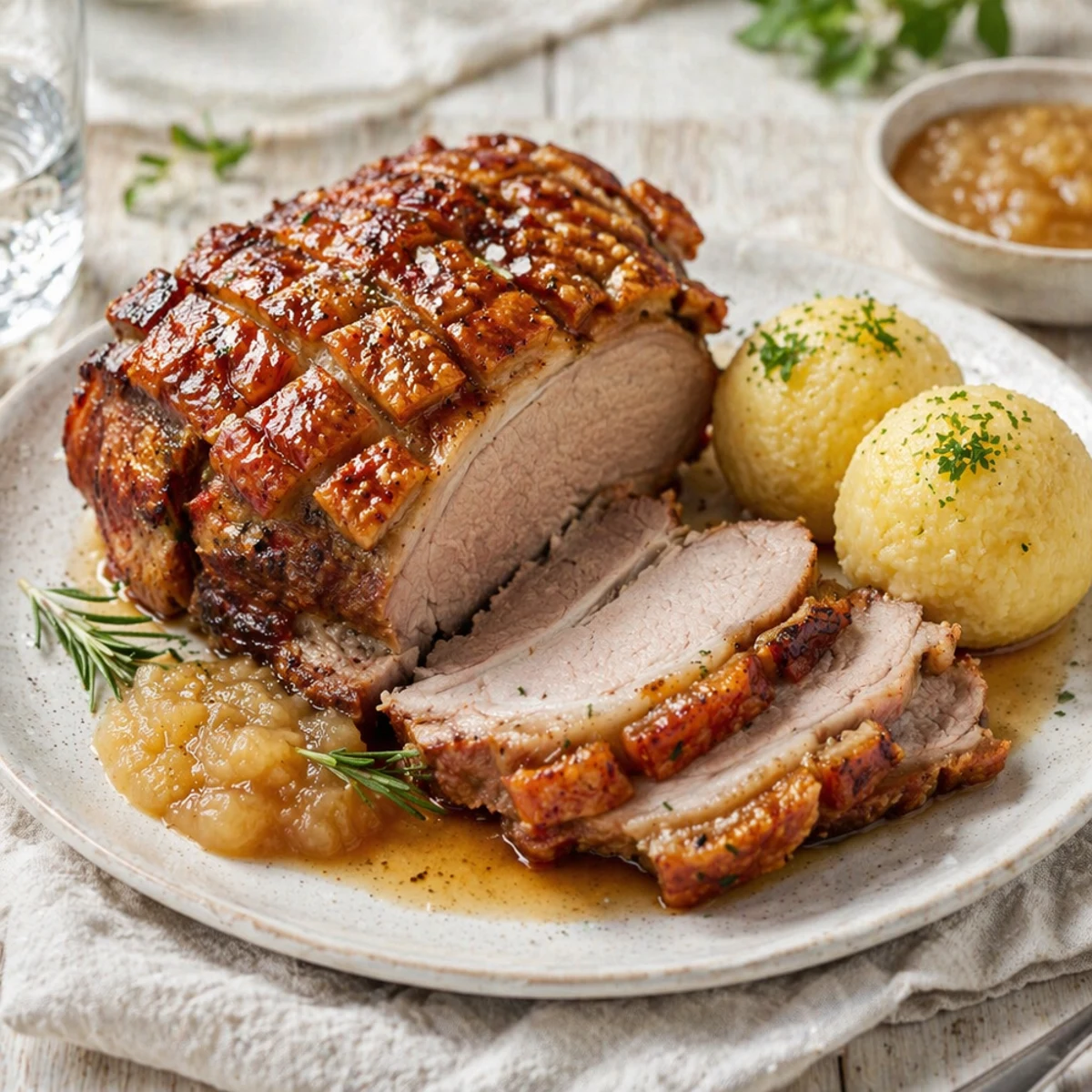
There are few dishes as satisfying as a beautifully roasted pork shoulder with shatteringly crisp crackling. It’s the kind of meal that fills the kitchen with rosemary, sizzling fat, and the unmistakable promise of a proper dinner. In American home cooking, a great pork roast feels both comforting and a little celebratory—simple enough for a Sunday supper, yet impressive enough for guests. The contrast of tender meat, salty crust, and rich umami flavor makes this dish a natural match for thoughtful wine pairing.
If you’ve ever wondered what wine goes with pork shoulder, the answer depends on how the roast is seasoned, how much richness you want to tame, and whether you prefer something bright, textured, or lightly structured. That’s where the fun begins. A well-chosen wine can lift the crackling, echo the rosemary, and cut through the richness without overpowering the dish. With the right bottle, this pork shoulder recipe becomes more than dinner—it becomes an experience worth savoring.
About This Dish
Roast pork with crackling has deep roots in European cooking, but it has long found a home in American kitchens too. Across regions and families, the appeal is the same: a cut of pork that turns luxurious when slow-roasted, then finishes with a blistered, crunchy skin that crackles under the knife. While some cooks reach for a pork loin roast for leanness, pork shoulder is the cut that delivers the richest flavor and the most forgiving texture. It has enough fat and connective tissue to stay juicy during roasting, which is exactly why it’s so beloved.
The dish sits comfortably at the intersection of rustic and refined. It’s humble in ingredients—just pork, salt, rosemary, and heat—but the result feels special. That combination of simplicity and technique is part of its charm. In many homes, a pork roast recipe like this marks a holiday, a family gathering, or a weekend when people want to slow down and eat well. The crackling adds drama, while the meat beneath stays succulent and savory.
For wine lovers, this is a dream pairing dish because it offers multiple flavor cues: salt, fat, herbs, and deep roasted savoriness. That means you can pair it with a wide range of wines, from bright whites to elegant reds. Whether you prefer Old World restraint or New World fruit, roast pork with crackling invites experimentation. A good pork shoulder guide for wine pairing starts with balance: enough acidity to refresh the palate, enough body to stand up to the roast, and enough subtlety to let the seasoning shine.
Key Ingredients & Their Role
At the heart of this dish is pork shoulder, a cut prized for its marbling, flavor, and ability to stay moist during roasting. Unlike a leaner pork loin roast, shoulder has more connective tissue and fat, which slowly breaks down in the oven and creates that melt-in-your-mouth texture people love. It’s the reason this is often the best choice for a deeply satisfying pork roast with crackling.
Sea salt does more than season the meat. It draws moisture from the skin, helping the crackling turn crisp and golden. It also intensifies the pork’s natural savoriness, making every bite taste fuller and more complete. Because the dish is fundamentally salty and umami-rich, wine pairing should account for that intensity. Wines with fresh acidity or a clean, mineral edge tend to work especially well.
Rosemary adds a piney, aromatic lift that cuts through the richness of the roast. It brings a distinctly Mediterranean character that makes the dish feel both rustic and elegant. Rosemary also creates a bridge to wine: herb-driven whites, earthy reds, and wines with savory notes can all echo its flavor beautifully.
Together, these ingredients create a classic flavor profile that is salty, umami, and deeply comforting. That’s why a pork shoulder recipe like this is so versatile at the table. It can handle wines with texture, but it also welcomes freshness. If you’re looking for a pork butt roast recipe feel in a more polished presentation, this dish delivers the same hearty satisfaction with a cleaner, more refined finish. For readers exploring other roast ideas, a dish like veal scallopini with alioli offers a similarly elegant contrast of richness and brightness.
Recipe
Roast Pork with Crackling
Prep Time: 20 minutes Cook Time: 3 hours 30 minutes Total Time: 3 hours 50 minutes Servings: 6-8 Difficulty: Intermediate
Ingredients
- 1 (5-6 lb) pork shoulder, skin on
- 2 1/2 tablespoons sea salt, plus more to taste
- 2 tablespoons chopped fresh rosemary
- 1 tablespoon olive oil
- 1 teaspoon freshly ground black pepper
- 1 onion, quartered
- 4 garlic cloves, smashed
- 1 cup water
Instructions
- Prepare the pork shoulder. Pat the pork shoulder completely dry with paper towels. If the skin is not already scored, score it lightly with a sharp knife, taking care not to cut into the meat.
- Season well. Rub the pork all over with sea salt, rosemary, olive oil, and black pepper. Work the seasoning into the scored skin and across the meat.
- Set up the roasting pan. Place the onion and garlic in the bottom of a roasting pan. Add the water to the pan to help prevent drippings from burning.
- Roast low and slow. Place the pork shoulder on a rack or directly over the onion mixture, skin side up. Roast at 325°F for about 3 hours, basting occasionally with pan juices.
- Crisp the crackling. Increase the oven temperature to 450°F and roast for 20-30 minutes more, or until the skin is blistered, deeply golden, and crackling crisp.
- Rest before carving. Remove the pork shoulder from the oven and let it rest for 20-25 minutes before slicing. This helps the juices redistribute.
- Serve. Carve into thick slices and serve with the crackling intact.
Nutrition Facts
Per serving (approximate):
- Calories: 520
- Protein: 38g
- Fat: 38g
- Saturated Fat: 13g
- Carbohydrates: 2g
- Fiber: 0g
- Sugar: 0g
- Sodium: 780mg
Dietary Information
- Contains: Pork
- Gluten-Free: Yes
- Dairy-Free: Yes
- Low-Carb: Yes
Perfect Wine Pairings
The best wine pairing for roast pork with crackling depends on the dish’s salty skin, juicy meat, and rosemary aroma. You want a wine with enough acidity to refresh the palate, enough body to stand up to the richness, and enough nuance to complement the herbs rather than compete with them. For a dish like this pork shoulder roast, the sweet spot is often medium body, bright freshness, and subtle savory depth.
One standout option is Rosenberg by Bernhard Ott (Wagram, Austria), a Grüner Veltliner with a match score of 84/100. Grüner’s peppery edge, crisp acidity, and clean mineral finish make it an excellent partner for crackling and salty pork. It’s especially smart if you want a white wine that feels lively and food-friendly. In the U.S., wines like this are often available through specialty shops and well-stocked retailers such as Total Wine, BevMo, and local wine shops, typically in the $15-30 range for comparable styles.
Another excellent choice is Chablis Grand Cru Les Preuses by Régnard (Chablis, France), also scored 84/100. Chardonnay from Chablis brings citrus, flint, and a restrained, elegant texture that can cut through the fat while highlighting the roast’s savory side. If you’re serving this pork roast recipe for a dinner party, Chablis gives the table a polished, classic feel.
If you prefer red wine, Refosco dal Peduncolo Rosso by Nobili Paona (Colli Orientali del Friuli, Italy) is a compelling match at 82/100. Its earthy, dark-fruited character and lively structure work well with the umami depth of the pork shoulder. Likewise, Echezeaux Grand Cru by Joseph Drouhin (Bourgogne, France)—a refined Pinot Noir with a match score of 82/100—offers silkier tannins and earthy complexity that pair beautifully with rosemary and roasted pork. For a more accessible New World option, Pinot Gris by Primarius (Oregon, United States) at 82/100 is a smart, value-conscious choice that should be relatively easy to find in the U.S. market. Finally, Riesling by Markus Huber (Traisental, Austria) at 80/100 is ideal if you want brightness and a hint of aromatic lift; its acidity helps cleanse the palate after each rich bite.
If you’re asking what wine goes with pork shoulder, start with Grüner Veltliner or Chablis for white wine lovers, and Pinot Noir or an earthy Italian red for red wine fans. Gastrona can help you compare these styles and discover the best wine recommendation for your exact roast, whether you’re shopping at Trader Joe’s, Total Wine, or a neighborhood bottle shop.
Cooking Tips & Techniques
A great pork shoulder recipe begins with dry skin. Moisture is the enemy of crackling, so pat the roast thoroughly dry before seasoning. If you have time, leave the pork uncovered in the refrigerator for a few hours or overnight to dry the skin even more. That small step can make a big difference in the final texture.
Salt is your best friend here, but use it thoughtfully. Season the skin generously because the crackling needs enough salt to develop flavor and crunch, but avoid over-salting the meat itself. Rosemary should be present but not overwhelming; it should perfume the roast, not dominate it. That balance matters for both flavor and wine pairing.
A common mistake with pork roast is rushing the cooking process. Shoulder needs time for the connective tissue to soften. If you roast too hot too soon, the meat can tighten before it becomes tender. Low and slow is the right approach, followed by a final blast of heat for the crackling. That high-heat finish is what transforms the skin from soft to spectacular.
Resting is also essential. If you slice too early, the juices will run out and the meat will seem drier than it really is. Give the roast time to settle before carving. If you’re making a pork butt roast recipe or a similar shoulder roast for a crowd, this resting period also gives you time to pour wine, set the table, and let the meal build anticipation.
Serving Suggestions
Roast pork with crackling deserves a presentation that celebrates its texture. Slice the pork shoulder into generous pieces, then break the crackling into shards and arrange it on top or alongside the meat so guests can hear that satisfying crunch when they bite in. A warm platter works beautifully, especially with the rosemary-scented pan juices spooned lightly over the pork.
For sides, think in terms of contrast. Creamy mashed potatoes, roasted apples, braised greens, or a sharp mustard sauce all work well with the salt and richness of the roast. If you want a more modern American dinner table feel, serve it with a crisp salad and crusty bread. The dish also pairs nicely with a simple vegetable side if you’re aiming for balance.
Wine service should be relaxed but intentional. Pour whites slightly chilled, especially Grüner Veltliner, Chablis, or Pinot Gris, so they stay refreshing alongside the crackling. If you choose Pinot Noir or Refosco, serve them lightly cool rather than warm. The goal is to keep the wine lively and food-friendly.
Frequently Asked Questions
What wine goes with roast pork with crackling?
The best wine with roast pork with crackling is usually a dry white with good acidity, like Grüner Veltliner, Chablis, or Pinot Gris. If you prefer red, go for a lighter style such as Pinot Noir or an earthy Italian red. The salt, fat, and rosemary all need freshness and balance.
What is the best wine for pork shoulder?
For pork shoulder, look for medium-bodied wines with bright acidity and moderate alcohol. Grüner Veltliner, Chablis, Pinot Gris, and Pinot Noir are all strong choices. The best wine pairing depends on whether you want a crisp white or a silky red, but avoid heavy tannins.
Can I serve red wine with pork roast?
Yes, red wine can work very well with pork roast, especially if the wine is light to medium-bodied. Pinot Noir is a classic choice because it has enough fruit and earthiness without overpowering the meat. Refosco is another good option if you want something a little more savory.
Is pork shoulder the same as pork butt roast?
Not exactly, but they are closely related and often used similarly. Both come from the shoulder area and are flavorful, marbled cuts that work well for slow roasting. For a crackling roast, pork shoulder is especially popular because it gives rich meat and crisp skin.
What is the best wine pairing for rosemary pork roast?
Rosemary pork roast pairs well with wines that have herbal, mineral, or earthy notes. Grüner Veltliner, Chablis, and Pinot Noir all work nicely because they complement the rosemary without making the dish taste heavy. A good pork roast recipe should always consider the herb profile.
Where can I find affordable wine for pork roast in the U.S.?
In the U.S., good value wines for pork roast are often available at Total Wine, Trader Joe’s, BevMo, local wine shops, and grocery stores. Look for bottles in the $15-30 range. Styles like Oregon Pinot Gris, California Pinot Noir, and Austrian Grüner Veltliner are especially accessible.
Conclusion
A great roast pork with crackling is one of those meals that feels both comforting and elevated, especially when the seasoning is simple and the technique is careful. With the right pork shoulder and a thoughtful wine pairing, you can turn a classic pork roast into a memorable dinner that feels right at home in the American kitchen. Whether you lean toward crisp white wines or graceful reds, there’s a perfect match waiting to be discovered. Use Gastrona to explore more pairings, compare styles, and find your next bottle with confidence.