


Introduction
If you love chilled tomato dishes, creamy textures, and the kind of savory depth that keeps you coming back for another spoonful, lasagna soup might be the phrase that gets you searching—yet the real star here is Salmorejo Cordobés with Iberian Ham and Egg. This Andalusian classic is one of those dishes that feels simple at first glance and then surprises you with how luxurious it tastes. Thick, silky, and bright with ripe tomato, it delivers a beautiful balance of freshness and umami.
For home cooks and wine lovers in the United States, this dish is a dream pairing opportunity. It’s elegant enough for a dinner party, easy enough for a weeknight, and versatile enough to welcome everything from Spanish whites to sparkling wine. If you’ve ever wondered what wine goes with a chilled tomato soup that’s richer than gazpacho and more satisfying than a light starter, this is your answer. With the right bottle, salmorejo becomes more than a recipe—it becomes a memorable wine moment.
About This Dish
Salmorejo Cordobés comes from Córdoba, in southern Spain, where hot summers made chilled dishes not just desirable but essential. Unlike gazpacho, which is looser and more vegetable-driven, salmorejo is thicker, creamier, and more bread-forward. That texture comes from the traditional use of crustless bread, which transforms blended tomatoes and olive oil into a velvety emulsion. Topped with diced Iberian ham and chopped hard-boiled egg, it becomes a dish that is humble in origin yet deeply refined in flavor.
What makes salmorejo so special is its restraint. There are no heavy spices or complicated techniques—just a handful of ingredients treated with care. The tomato provides brightness and acidity, the bread gives body, the olive oil adds richness, and the ham brings a salty, savory finish that lingers beautifully. The egg softens the edges and adds another layer of comfort.
In American food culture, this kind of dish resonates with today’s interest in Mediterranean eating, seasonal cooking, and globally inspired comfort food. It also fits beautifully into the growing wine appreciation scene, where drinkers are increasingly interested in pairings that feel both accessible and elevated. If you enjoy pairing food and wine with dishes like tortellini in broth or other comforting starters, salmorejo offers a similarly satisfying experience—just with a distinctly Spanish soul.
Key Ingredients & Their Role
The beauty of Salmorejo Cordobés lies in how a few ingredients work together to create something greater than the sum of their parts. The first and most important ingredient is ripe tomato. Since salmorejo is served cold, the tomatoes need to taste vivid and sweet on their own. Their acidity gives the dish lift, while their natural juiciness forms the base of the puree.
Crustless bread is the ingredient that gives salmorejo its signature body. It absorbs the tomato juice and olive oil, creating a smooth, almost mousse-like texture. This is what separates salmorejo from lighter tomato soups and makes it feel so satisfying. Good extra-virgin olive oil is equally important: it rounds out the acidity, adds silkiness, and carries the flavors across the palate.
Then comes Iberian ham, which adds salt, depth, and a delicate cured-meat aroma. It’s not just garnish; it’s a major flavor component that turns the dish from refreshing to complex. The hard-boiled egg adds creaminess and a mild richness that balances the salt and acidity.
From a wine perspective, these ingredients create a fascinating challenge. You need enough acidity to match the tomato, enough texture to stand up to the bread and olive oil, and enough freshness to keep the ham from dominating. That’s why sparkling wines, bright Spanish whites, and elegant rosés work so well. If you’ve been exploring wine with dishes like oysters with mignonette sauce, you’ll recognize the same need for precision, freshness, and balance.
Recipe
Salmorejo Cordobés with Iberian Ham and Egg
Prep Time: 15 minutes
Chill Time: 1 hour
Total Time: 1 hour 15 minutes
Servings: 4
Difficulty: Easy
Ingredients
- 2 pounds ripe tomatoes, chopped
- 6 ounces crustless day-old bread, torn into pieces
- 1 small garlic clove, peeled
- 1/3 cup extra-virgin olive oil, plus more for drizzling
- 1 tablespoon sherry vinegar
- 1 teaspoon salt, or to taste
- 2 hard-boiled eggs, peeled and chopped
- 3 ounces Iberian ham, finely sliced or diced
Instructions
- Place the chopped tomatoes in a blender or food processor and blend until smooth.
- Add the bread and garlic. Let sit for 5 minutes so the bread softens.
- Blend again until very smooth and thick.
- With the blender running, slowly drizzle in the olive oil until the mixture becomes creamy and emulsified.
- Add the sherry vinegar and salt. Blend briefly, then taste and adjust seasoning.
- Transfer to a bowl or container and chill for at least 1 hour.
- To serve, divide the salmorejo into bowls.
- Top with chopped egg, Iberian ham, and a final drizzle of olive oil.
- Serve cold.
Nutrition Facts
Per serving:
- Calories: 320
- Protein: 10g
- Carbohydrates: 22g
- Fat: 22g
- Saturated Fat: 4g
- Fiber: 3g
- Sodium: 620mg
Dietary Information
- Contains gluten
- Contains egg
- Naturally vegetarian base, but not vegetarian when topped with Iberian ham
- Can be made gluten-free by using gluten-free bread
- Best served cold
Perfect Wine Pairings
Salmorejo Cordobés with Iberian ham and egg is all about contrast and harmony. The tomato brings acidity, the bread creates richness, and the ham adds savory intensity. That means the best wine pairing should refresh the palate without overpowering the dish. In practice, that points toward wines with bright acidity, moderate body, and clean, food-friendly structure.
One of the strongest matches is Semidulce by Campo Viejo from Rioja, Spain. With its Viura base and a match score of 92/100, it offers a slightly off-dry profile that can soften tomato acidity while still keeping the dish lively. This is a smart choice if you want a wine that feels approachable and easy to enjoy with a chilled first course.
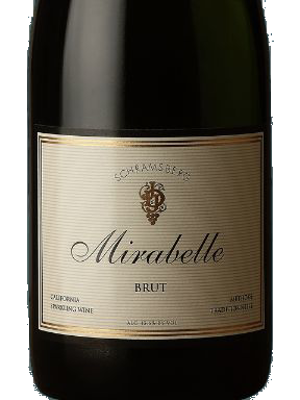
If you prefer bubbles, Brut Mirabelle by Schramsberg from Napa Valley is an excellent option. Its Chardonnay and Pinot Noir blend, with a match score of 91/100, brings fine bubbles and crisp acidity that cut through the olive oil and refresh the palate after each spoonful. It’s a great pick for celebrations or for anyone who loves sparkling wine with savory dishes.
Another top-tier choice is Rosé Brut Champagne Grand Cru 'Aÿ' by Lallier, also at 91/100. The blend of Chardonnay and Pinot Noir brings elegance, red-fruit lift, and a dry finish that complements both the tomato and the Iberian ham. If you want the pairing to feel especially polished, this is a standout.
For a still wine, Sancho Garcés Viura-Tempranillo Blanco by Patrocinio from Rioja Alta is a compelling match at 90/100. It has enough freshness and texture to work with the bread-based body while staying vibrant beside the cured ham. In the U.S., wines in this style are typically easy to find at Total Wine, Trader Joe’s, BevMo, and local wine shops, often in the $15–30 range. If you’re searching for the best wine for salmorejo cordobés with Iberian ham and egg, these styles are your most reliable starting point.
Cooking Tips & Techniques
The biggest secret to great salmorejo is ingredient quality. Since the recipe is so simple, every element matters. Use the ripest tomatoes you can find—ideally sweet, fragrant ones with good color and little excess water. If your tomatoes are bland, the finished dish will be flat, no matter how much olive oil you add.
Bread texture also matters. Stale bread works best because it absorbs liquid without turning gummy. Remove the crusts so the final texture stays smooth and refined. When blending, take your time adding the olive oil slowly; this helps the mixture emulsify and become silky rather than separated.
Taste before chilling. Cold dishes can mute salt and acidity, so the mixture should taste slightly more seasoned than you think it needs. A small splash of vinegar can brighten the whole bowl, but don’t overdo it or the tomato flavor will lose its roundness.
For the topping, keep the ham and egg finely chopped so each bite gets a little of everything. If you’re serving guests, chill the bowls too—cold salmorejo is much more refreshing and elegant. And if you like exploring comforting soup-style dishes such as tortellini in broth or even internet-famous searches like progresso soup drops, this recipe offers the same kind of easy comfort with a more refined finish.
Serving Suggestions
Salmorejo is best served very cold in shallow bowls or small cups, where its thick texture can really shine. A final drizzle of good olive oil over the top adds aroma and a glossy finish. For a more elegant presentation, arrange the Iberian ham and egg in separate little mounds so the colors stand out against the orange-red base.
This dish works beautifully as a starter for a Spanish-themed meal, but it can also be served as a light lunch with crusty bread and a crisp green salad. If you’re hosting, pair it with a sparkling wine or chilled Spanish white and let the table feel relaxed, sunny, and unfussy. It’s the kind of dish that invites conversation and makes wine pairing feel easy.
Frequently Asked Questions
What wine goes with Salmorejo Cordobés with Iberian Ham and Egg?
The best wine pairing usually has bright acidity, a clean finish, and enough texture to handle the bread and olive oil. Sparkling wine, dry rosé, and fresh Spanish white wines all work well. The goal is to complement the tomato and ham without making the dish taste heavy or metallic.
Is Salmorejo Cordobés the same as gazpacho?
No, salmorejo is thicker and creamier than gazpacho. It uses more bread, less liquid, and a smoother texture overall. Gazpacho is lighter and more vegetable-forward, while salmorejo feels richer and more satisfying. That difference also affects wine pairing, since salmorejo can handle wines with a bit more body.
What is the best wine for salmorejo cordobés with Iberian ham and egg?
A sparkling wine or a bright Spanish white is usually the safest choice. Wines like Rioja-based Viura blends, Champagne-style brut, or elegant rosé sparkling wines bring freshness and balance. If you want a still wine, choose something crisp, medium-bodied, and not too oaky.
Can I serve red wine with Salmorejo Cordobés?
You can, but it’s trickier. Light-bodied reds with low tannins may work, but high tannin wines can clash with tomato acidity. If you want red, look for something very fresh and delicate. In most cases, white or sparkling wine gives a better result and feels more natural.
Where can I buy the best wine for this pairing in the United States?
You can usually find good options at Total Wine, Trader Joe’s, BevMo, local wine shops, and many grocery stores. Look for wines in the $15–30 range, especially Spanish whites, sparkling wines, and dry rosés. Gastrona can also help you discover pairings based on what’s actually available near you.
Can I make salmorejo ahead of time?
Yes, and it often tastes even better after chilling. Make the base a few hours ahead or the day before, then add the ham and egg just before serving. This makes it a great dish for entertaining, especially when you want to focus on wine service and presentation.
Conclusion
Salmorejo Cordobés with Iberian Ham and Egg is proof that simple ingredients can create something truly memorable. Its creamy texture, bright tomato flavor, and savory topping make it a beautiful match for wines that are fresh, balanced, and food-friendly. Whether you choose sparkling wine, a Spanish white, or a dry rosé, the right bottle turns this dish into a standout experience.
If you’ve been looking for a new way to explore lasagna soup-style comfort, this recipe offers the same cozy satisfaction in a more elegant, Mediterranean form. Try it at home, experiment with your favorite wine pairing, and let Gastrona help you discover even more combinations that make every meal feel special.