

Introduction
If you love bold, satisfying food with a story, the Serranito deserves a spot on your table. This beloved Spanish sandwich brings together juicy pork loin, blistered green pepper, and crusty bread in a combination that’s simple, rustic, and deeply craveable. It’s the kind of dish that feels casual at first glance, then surprises you with how much flavor it delivers in every bite. Salty, smoky, savory, and just a little messy in the best possible way, the Serranito is comfort food with serious character.
For wine lovers, this is where the fun really begins. A great wine pairing can turn the sandwich into a full-on experience, highlighting the pork’s richness, the pepper’s sweetness, and the bread’s satisfying chew. Whether you’re looking for a crisp white, a juicy red, or a Spanish import that feels right at home, there are plenty of options. In this guide, we’ll explore the dish, break down the ingredients, and share the best wine for Serranito so you can find your own perfect match.
About This Dish
The Serranito is one of those dishes that tells you a lot about Spanish food culture in a single bite: practical, flavorful, and made for sharing. It comes from Andalusia, especially the city of Seville, where tapas culture thrives and sandwiches are treated with the same respect as plated dishes. The name itself evokes the mountains, or sierra, and while versions vary from bar to bar, the spirit of the sandwich stays the same: hearty ingredients, straightforward cooking, and maximum flavor.
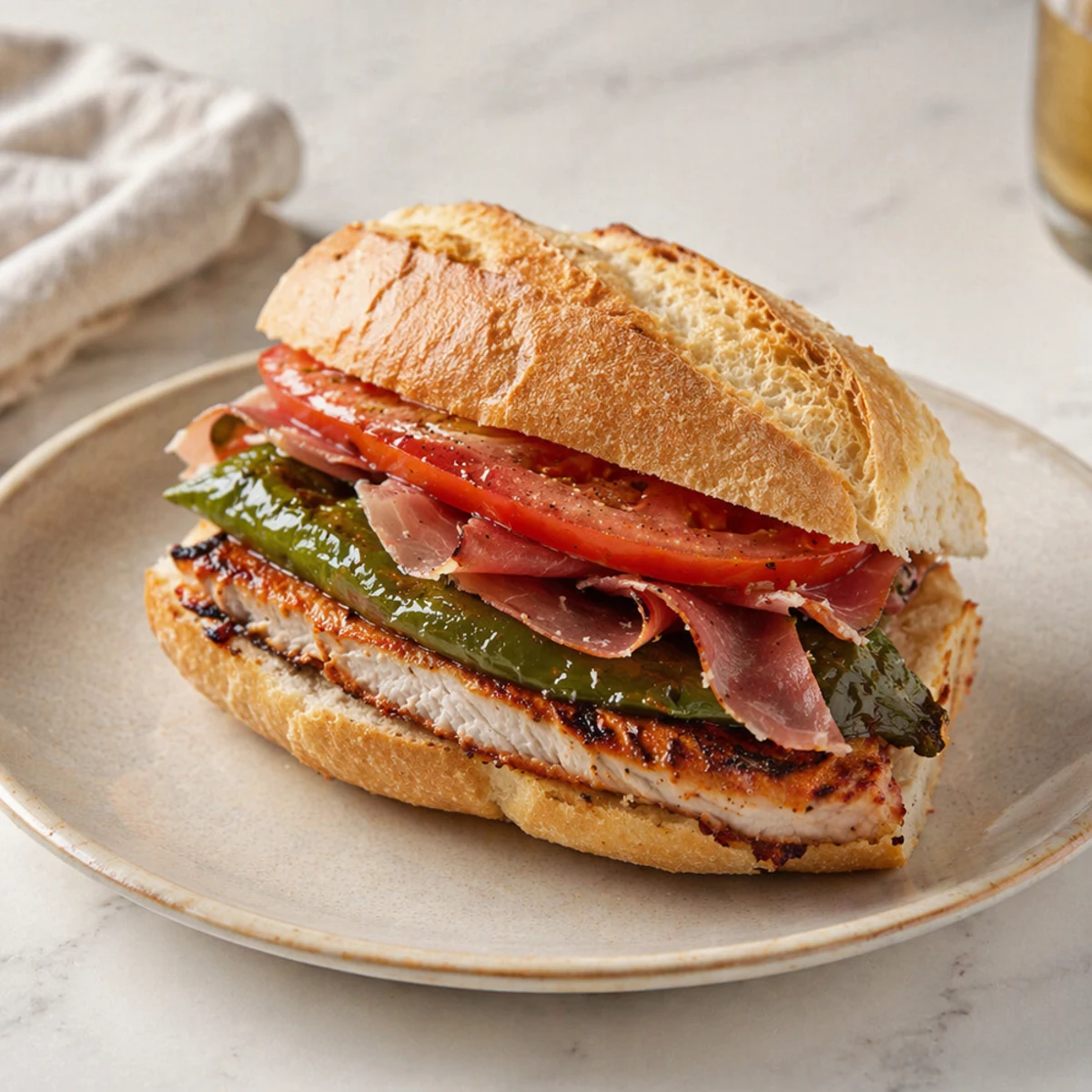
Traditionally, a Serranito is built around pork loin, green pepper, and a bread roll, often with additional touches like serrano ham, tomato, or aioli depending on the region and the cook. What makes it special is the balance. The pork brings savoriness and tenderness, the green pepper adds sweetness and a slightly charred edge, and the bread holds everything together with structure and crunch. It’s a sandwich that feels both humble and elevated.
In Spain, the Serranito is often enjoyed as a bar snack, lunch, or late-afternoon bite with a drink. In the United States, it fits beautifully into the growing appetite for Mediterranean flavors, approachable cooking, and food that invites a thoughtful wine pairing. It’s rustic enough for a weeknight, but interesting enough to serve when you want to impress.
Key Ingredients & Their Role
The beauty of the Serranito lies in how a few well-chosen ingredients create something greater than the sum of their parts. Each component has a clear job to do, and when they’re prepared well, the result is deeply satisfying.
Pork loin is the heart of the sandwich. It should be cooked until juicy and just lightly browned, giving the dish its savory backbone. Pork loin is lean, so it benefits from quick cooking and careful seasoning. Its mild flavor makes it an excellent canvas for wine because it can handle both red and white styles, depending on the preparation.
Green pepper adds brightness, sweetness, and a subtle vegetal note. When sautéed or blistered, it softens and develops a slightly smoky character that echoes the sandwich’s rustic roots. That smoky element matters for wine pairing, because it opens the door to wines with good acidity and enough fruit to balance charred flavors.
Bread roll is more important than it may seem. A sturdy roll with a crisp crust and airy interior keeps the sandwich from becoming soggy while adding texture to each bite. The bread also acts as a neutral base, allowing the pork and pepper to shine.
Seasoning is essential too. A little salt enhances the pork, while olive oil ties the ingredients together with a silky finish. If you add serrano ham or tomato, the sandwich becomes even more layered: saltier, juicier, and slightly more complex. For wine, that means looking for freshness, moderate body, and enough lift to keep the flavors lively. A smart wine recommendation here should complement the salt and smoke without overwhelming the sandwich’s simplicity.
Recipe
Serranito Recipe
Prep Time: 15 minutes Cook Time: 15 minutes Total Time: 30 minutes Servings: 2 sandwiches Difficulty: Easy
Ingredients
- 2 small bread rolls, split lengthwise
- 2 pork loin cutlets, about 5 oz (140 g) each
- 1 large green pepper, sliced into strips
- 2 tbsp olive oil
- Salt, to taste
- Black pepper, to taste
- 1 clove garlic, halved (optional, for rubbing the bread)
- 2 slices serrano ham (optional, traditional variation)
- 1 small tomato, sliced or grated (optional)
Instructions
- Prepare the pepper. Heat 1 tablespoon olive oil in a skillet over medium heat. Add the green pepper strips and cook until softened and lightly blistered, about 6–8 minutes. Season with a pinch of salt, then set aside.
- Cook the pork. Season the pork loin with salt and black pepper. Add the remaining olive oil to the skillet and cook the pork for 2–4 minutes per side, depending on thickness, until golden and just cooked through. Let rest for 2 minutes.
- Toast the bread. Lightly toast the bread rolls in the skillet or oven until the edges are crisp and the interior is warm.
- Assemble the sandwich. If using garlic, rub the cut side of the bread lightly with the garlic clove. Add tomato, if using, then layer on the pork, green pepper, and serrano ham if desired.
- Serve immediately. Press the sandwich gently, slice if preferred, and enjoy while warm.
Nutrition Facts
Per serving:
- Calories: 430
- Protein: 30 g
- Carbohydrates: 34 g
- Fat: 18 g
- Saturated Fat: 4 g
- Fiber: 3 g
- Sodium: 780 mg
Dietary Information
- Contains pork
- Contains gluten
- Dairy-free
- Can be made without serrano ham for a simpler version
- Not vegetarian or vegan
Perfect Wine Pairings
The best wine pairing for Serranito depends on how you build the sandwich, but the key is to match its salty, smoky profile with wines that have freshness, balance, and enough flavor to stand up to the pork. Because the dish is savory rather than saucy, you don’t need anything overly heavy or tannic. Instead, look for wines with bright acidity, moderate body, and clean fruit.
A Spanish Tempranillo is one of the most natural choices. Young Rioja or Ribera del Duero styles offer red cherry fruit, subtle spice, and enough structure to complement the pork without overpowering the green pepper. This is a particularly strong wine for Serranito if you want something classic and food-friendly. In the U.S., you’ll often find excellent bottles in the $15–30 range at Total Wine, Trader Joe’s, BevMo, and local wine shops.
If you prefer white wine, try a Spanish Albariño. Its citrusy acidity, saline edge, and crisp texture make it a smart wine recommendation for the sandwich, especially if your Serranito includes tomato or a touch of garlic. Albariño also plays beautifully with the pepper’s sweetness and the bread’s toasted notes.
For a domestic option, a California Pinot Noir can be a lovely perfect match. Choose a lighter, fruit-forward style from Sonoma or a cooler-climate California region. The wine’s red berry character and soft tannins work well with pork loin, while its freshness keeps the pairing lively. Oregon Pinot Noir is another excellent choice if you want even more elegance and lift.
A fourth option is a dry rosé, especially from Provence or Spain. Rosé bridges the gap between red and white, bringing bright acidity, subtle fruit, and a refreshing finish. It’s especially good if you’re serving the sandwich on a warm day or as part of a tapas spread.
When shopping, focus on wines that are easy to find at Total Wine, Trader Joe’s, or your neighborhood shop, and aim for bottles that feel approachable rather than expensive. For a dish like this, value matters more than prestige. The best wine pairing is the one that makes you want another bite.
Cooking Tips & Techniques
A great Serranito starts with restraint. Since the sandwich is built from only a few ingredients, each one needs to be cooked with care. The most common mistake is overcooking the pork loin. Because it’s lean, pork can dry out quickly. Cook it just until done, then let it rest before assembling so the juices stay in the meat instead of running into the bread.
The green pepper should be softened and lightly blistered, not raw and crunchy. That gentle caramelization gives the sandwich its smoky edge and keeps the flavor rounded. If you want even more depth, cook the peppers slowly so they develop a few dark spots.
Bread matters more than people think. Choose a roll that can handle juicy fillings without collapsing. A crusty sandwich roll or small baguette-style roll works well. Toasting the bread is worth the extra minute because it adds texture and helps protect against sogginess.
If you’re adding tomato, don’t overdo it. You want freshness, not excess moisture. A light rub of garlic on the bread can add a subtle lift, but keep it balanced. The goal is harmony, not heaviness. That’s what makes this recipe so rewarding: when each element is cooked properly, the sandwich tastes much bigger than its ingredient list suggests.
Serving Suggestions
Serve the Serranito hot, ideally right after assembly, when the bread is crisp and the pork is still juicy. A simple plate is all you need, though a few extras can make the meal feel more complete. Think olives, marinated peppers, or a small green salad with sherry vinaigrette to echo the Spanish flavors. If you’re serving wine, keep the glasses ready before the sandwiches are assembled so everything can be enjoyed at the right temperature and texture.
For a relaxed dinner, pair the sandwich with patatas bravas, roasted potatoes, or even a light tomato salad. If you’re entertaining, cut the sandwiches in half and serve them as part of a tapas-style spread. That makes the dish feel more social and gives guests room to explore different wines.
The setting can be casual, but the experience should still feel intentional. A good wine pairing turns this humble sandwich into something memorable, whether it’s a weeknight meal or a weekend lunch with friends.
Conclusion
The Serranito proves that simple food can still feel special. With its salty pork, smoky peppers, and crusty bread, it’s a dish that invites you to slow down and enjoy the details. And when you find the right wine pairing, the whole experience becomes even better. Whether you reach for Tempranillo, Albariño, Pinot Noir, or rosé, the goal is the same: balance, freshness, and plenty of flavor.
If you’re curious about discovering your own wine for Serranito, let Gastrona help you explore pairings that fit your taste and your table. Great food deserves a great glass, and this sandwich is a perfect place to start.