


Introduction
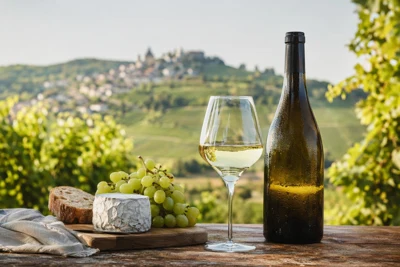
Viognier is one of the most distinctive white grapes in the wine world: aromatic, textured, and often a little luxurious in feel. If Chardonnay is about range and Sauvignon Blanc is about zip, Viognier is about perfume and plushness. It can smell like apricot, peach skin, orange blossom, honeysuckle, and warm spice, while the palate often feels rounder and softer than many other white wines. That combination makes Viognier both easy to enjoy and surprisingly nuanced.
For American wine drinkers, Viognier matters because it offers something different without being difficult. It can work as an aperitif, but it also has enough body and flavor to stand up to richly seasoned food, roasted poultry, creamy sauces, and dishes with a touch of sweetness or spice. It is a smart choice for anyone looking for a wine recommendation beyond the usual suspects.
If you remember one thing, remember this: Viognier is a fragrant white grape with a silky texture and a food-friendly personality, especially when you want a wine for Viognier that feels generous rather than sharp.
Viognier Wine Taste Profile & Characteristics
Viognier is usually best known for its aromatic intensity. The first impression is often floral: jasmine, orange blossom, honeysuckle, and sometimes rose petal. Fruit flavors tend to lean stone-fruit rather than citrus, with ripe peach, apricot, nectarine, mango, and sometimes melon. In warmer climates or riper styles, you may also notice baked peach, candied citrus peel, or a subtle tropical note.
On the palate, Viognier is typically medium- to full-bodied, with a round, almost creamy texture. Compared with many other white wines, it often has lower to moderate acidity, which is why it can feel softer and more expansive in the mouth. That doesn’t mean it is flat; rather, the wine’s appeal comes from texture, perfume, and flavor depth instead of high tension. Some examples are dry and crisp, while others are richer and more opulent. Oak aging, lees contact, and ripeness can all add weight, spice, and a faint vanilla or almond note.
What makes Viognier distinctive is the balance of perfume and palate weight. It can be lush without being heavy, aromatic without being sweet, and expressive without needing aggressive acidity. Because of that, it is often a great wine for Viognier for people who like whites with personality. It is also a strong choice when you want a perfect match for food that has aromatic herbs, roasted flavors, or gentle spice. For readers comparing styles, Gastrona’s Vermentino guide is a useful contrast: Vermentino usually brings more citrus and saline snap, while Viognier brings more stone fruit and floral richness.
Viognier Wine Origins & Key Regions
Viognier’s spiritual home is France’s northern Rhône Valley, especially the tiny, steep appellation of Condrieu, where the grape has long produced some of its most prized expressions. Historically, Viognier nearly disappeared in the 20th century, surviving in very small plantings before being revived by growers who recognized its unique aromatic character. Today, it remains a grape associated with craftsmanship and careful site selection because it ripens relatively early and can lose acidity if harvested too late.
The Rhône matters because the grape’s identity was shaped there: cool nights, steep slopes, and granite soils help preserve freshness while allowing full aromatic development. In Condrieu, Viognier is typically made as a single-varietal white wine, often with a polished texture and striking floral-fruit character. Nearby, in parts of the broader Rhône, Viognier may also appear in blends or in small experimental plantings.
Outside France, Viognier has found success in warm, sunny regions where it can achieve full ripeness, including California, Washington State, and select vineyard sites in Australia and elsewhere. In the United States, producers often aim for a balance between ripe fruit and freshness, making Viognier a compelling option for drinkers who want aromatic whites with a bit more body. In some regions, it is also blended with other grapes to add perfume and softness. One classic example is Côte-Rôtie, where Viognier can be co-fermented with Syrah in very small amounts to lift the aromatics of the red wine. For readers who enjoy Rhône styles, Gastrona’s Grenache guide offers another look at the region’s warmth, ripeness, and spice-driven character.
Recommended Bottles to Try
Below are representative wines from the dataset that show how Viognier appears in different styles and regions. Because Viognier is often blended, these bottles are especially useful for understanding the grape’s role in both white and red wines.
1) E. Guigal Côte-Rôtie Brune et Blonde — Rhône, France
This is a classic, benchmark wine from one of the Rhône’s most respected producers. It is a red wine based on Syrah with a small amount of Viognier, which helps lift the aromatics and soften the edges. If you want to understand Viognier’s role in a serious wine, this is an essential reference point. It is a splurge compared with most everyday bottles, but it shows the grape’s elegance in a high-end context.
2) Recanati Shiraz Viognier 2020 — Galilee, Israel
A more accessible example of the Syrah-Viognier combination, this wine is useful for drinkers who want to taste how Viognier can brighten a red blend. The style is typically fruit-forward, spicy, and aromatic, with Viognier adding lift and a silkier impression. It is a strong value pick and a smart wine recommendation for people exploring Rhône-inspired reds.
3) Kavalan White Pearl 2020 — Yilan, Taiwan
This white blend includes Chardonnay and Viognier, giving you a chance to see how Viognier contributes perfume and roundness in a modern international style. Expect a softer, more generous white wine profile rather than razor-sharp acidity. It sits in the mid-range for many shoppers and is a good bottle for tasting Viognier outside its traditional French context.
4) El Gouna Reserve Blanc 2022 — El Gouna, Egypt
Another Chardonnay-Viognier blend, this bottle is useful for understanding how Viognier can add floral lift and stone-fruit character to a white wine built for warmth and sunshine. It is a good example of Viognier’s adaptability and a practical choice for curious drinkers seeking something different within a moderate budget.
5) Saramacca Tropicola Reserve — Saramacca, Suriname
This Chenin Blanc-Viognier blend is likely to feel bright yet rounded, with Viognier contributing aromatic richness. It is a helpful bottle for learning how Viognier can soften a wine and add a more perfumed finish. For shoppers, it should be viewed as a value-oriented discovery bottle rather than a prestige purchase.
6) Ta' Mena Antonin Blanc — Gozo, Malta
With Chardonnay and Viognier, this wine offers another perspective on the grape’s role in white blends. It is a good choice if you like whites with a fuller texture and floral complexity. In the US market, it would likely appeal to drinkers looking for a wine for Viognier that feels distinctive without being too unusual.
Food Pairings
Viognier is a versatile food wine because its aromatic richness and soft texture let it handle dishes that would overwhelm leaner whites. It is especially good with roasted chicken, turkey, pork tenderloin, and dishes with herbs like thyme, tarragon, cilantro, or lemongrass. That makes it a strong wine pairing for American weeknight cooking as well as globally inspired meals.
The grape also shines with foods that have a little sweetness or spice: glazed salmon, Moroccan-spiced chicken, Thai curries with moderate heat, Chinese takeout with ginger and garlic, and Vietnamese dishes with aromatic herbs. Creamy sauces, squash, cauliflower, and mushroom dishes also work well because Viognier’s round texture complements richness without feeling heavy. If you are looking for a perfect match, think of foods where fragrance matters as much as weight.
For cheese, try soft-ripened styles, mild goat cheese, or nutty semi-hard cheeses. For a more specific wine pairing approach, Gastrona’s pairing pages can help you narrow down the best recipe match for your table. Viognier is especially useful when a recipe has multiple flavor layers and you want a wine that can keep up without dominating.
How to Serve & Store Viognier Wine
Serve Viognier slightly chilled, usually around 48–54°F. Too cold, and you can mute the aromas; too warm, and the wine may feel loose or heavy. A white-wine glass with a slightly wider bowl works well because it gives the floral aromas room to open.
Most Viognier is best enjoyed young, within 2–4 years of release, when the perfume is vivid and the fruit is fresh. Higher-quality examples from serious producers can age longer, sometimes developing honeyed, nutty, and dried-apricot notes. Decanting is usually unnecessary for white Viognier, but a brief splash into a carafe can help a richer bottle open up if it feels tight.
Frequently Asked Questions
What does Viognier taste like?
Viognier usually tastes like peach, apricot, nectarine, and orange blossom, with a soft, rounded texture. Some bottles also show honeysuckle, spice, or tropical fruit. It is often fuller-bodied than many white wines, so it feels generous rather than lean.
Is Viognier dry or sweet?
Most Viognier wines are dry, even though they can smell very fruity and floral. That aromatic richness sometimes makes people think the wine is sweet, but in most cases it is not. Always check the label or producer notes if you want confirmation.
What food is best with Viognier?
Viognier is excellent with roasted chicken, pork, creamy sauces, and aromatic dishes with herbs or gentle spice. It is also a strong wine pairing for Thai, Moroccan, and Vietnamese-inspired meals. The grape’s texture and perfume make it a flexible option for many recipes.
Is Viognier similar to Chardonnay?
In some ways, yes: both can be medium- to full-bodied white wines with a creamy texture. But Viognier is usually more floral and peach-driven, while Chardonnay often leans toward apple, citrus, butter, or oak-influenced notes. If you want a more aromatic white, Viognier is worth trying.
What is the best wine for Viognier beginners?
Look for a balanced, fruit-forward bottle from a reliable producer, ideally in the $15–30 range in the US. A good entry-level Viognier should be aromatic, dry, and not overly oaky. It should feel expressive but easy to drink, especially with food.
Can Viognier age?
Yes, but most bottles are made for early drinking. Better examples can age for several years and develop honey, dried fruit, and nutty complexity. If you like fresh floral aromas, drink it young; if you enjoy richer, more evolved whites, try a bottle with some cellar time.
Conclusion
Viognier is one of the most rewarding white grapes to explore because it brings something unmistakable to the glass: perfume, texture, and a sense of warmth. It is not just a niche alternative to Chardonnay or Sauvignon Blanc; it is a grape with a real identity and a wide range of uses, from elegant Rhône bottlings to approachable blends and food-friendly modern wines.
If you are shopping for a wine recommendation that feels distinctive but still accessible, Viognier is an excellent place to start. Use Gastrona to compare styles, save your favorites, and discover the best wine pairing for your next meal. Whether you are looking for a weeknight bottle or a special-occasion splurge, Viognier offers a perfect match for curious wine drinkers who want more aroma, more texture, and more character in the glass.