

Amatriciana and Wine: Why the Pairing Matters
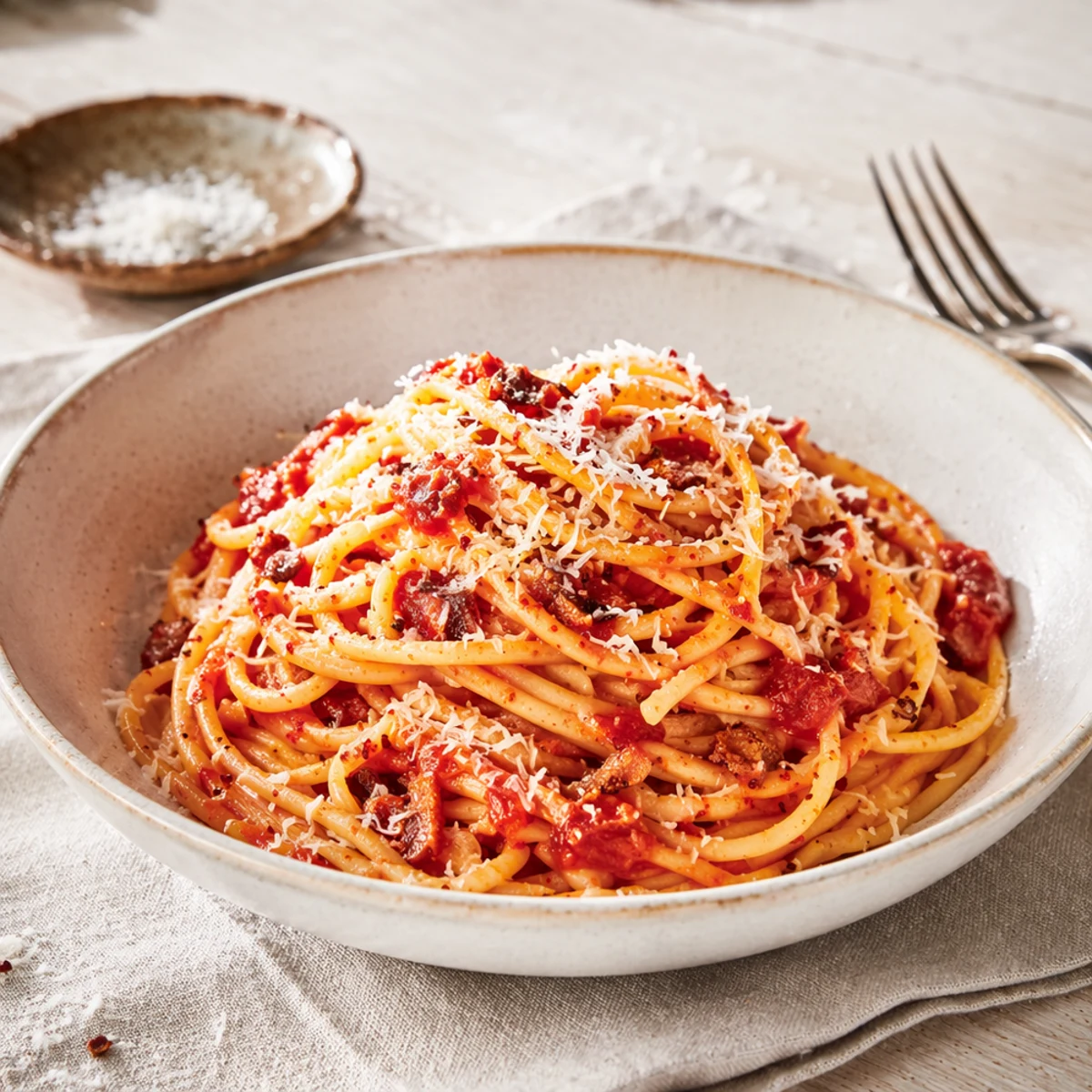
Amatriciana is one of those dishes that looks simple on the plate but asks a lot from the glass. The combination of guanciale, tomatoes, and Pecorino Romano creates a savory, salty, and richly umami-driven profile, which means the best amatriciana wine pairing needs both freshness and structure. If the wine is too soft, the dish can flatten it. If it is too tannic or too heavy, the salt and tomato can make it taste harsh. The sweet spot is usually a wine with bright acidity, moderate body, and enough fruit to keep the sauce lively.
That is why amatriciana is such a rewarding pairing topic: it can work with classic Italian reds, but it can also surprise you with a mineral, high-acid white in the right style. Whether you are making pasta amatriciana for a weeknight dinner or serving all'amatriciana for guests, the goal is the same: let the wine refresh the palate while echoing the dish’s savory depth. If you enjoy exploring pairings beyond this classic, you may also like our wine with seafood paella guide for another tomato-forward, flavor-packed dish.
Why These Pairings Work for Amatriciana
The core challenge in amatriciana sauce is balance. Guanciale brings fat, salt, and a slightly funky pork richness; tomatoes add acidity and sweetness; Pecorino Romano adds sharp salinity and a long savory finish. A good wine pairing has to handle all three without disappearing.
Acidity is the most important trait here. It keeps the palate clean after each bite and prevents the tomato from making the wine feel dull. That is why Sangiovese-based wines are such natural partners for amatriciana: they typically offer red cherry fruit, herbal lift, and enough acid to meet the sauce head-on. Moderate tannin helps, but too much can clash with the salt and cheese, so the best choices are usually medium-bodied rather than massive.
There is also room for texture. A wine with a little earthy complexity can mirror the cured-pork savoriness of guanciale, while subtle spice can complement the peppery edge often found in amatriciana recipe variations. For diners who prefer white wine, a dry, high-acid Riesling can work because it cuts through the fat and refreshes the mouth between bites. The key is avoiding overt sweetness and overly oaky styles, which can make the dish feel heavier.
In short, the best wine for amatriciana is one that respects the sauce’s salt, acidity, and umami while bringing enough lift to keep each forkful tasting bright.
Top Wine Recommendations for Amatriciana
1. Cesanese del Piglio Superiore Riserva 'Terre dei Pallavicini' by Principe Pallavicini
This is the most distinctive bottle in the data set and an excellent amatriciana pairing if you want something rooted in central Italy. Cesanese tends to bring dark cherry fruit, savory spice, and a supple structure that works beautifully with guanciale and Pecorino Romano.
2. Castello di Ama Chianti Classico San Lorenzo by Castello di Ama
A polished Chianti Classico is one of the safest and most delicious answers to what wine goes with amatriciana. The Sangiovese-led profile offers bright acidity, red fruit, and earthy grip that matches the tomato while staying nimble enough for the saltiness of the sauce.
3. Chianti by Ruffino
If you want a more accessible, widely available option, this is a strong choice for pasta amatriciana. It delivers the classic Sangiovese freshness that keeps the dish lively, and its moderate body makes it easy to find in the $15-30 range at many U.S. retailers.
4. Tignanello by Antinori
For a special-occasion amatriciana wine pairing, Tignanello brings more depth, polish, and layering than a basic everyday red. The Cabernet components add structure, while the Sangiovese keeps the pairing grounded in the acidity the dish needs.
5. Antica Fattoria Rubicone Rosso by Antica Fattoria
This is a practical, food-friendly red that suits all'amatriciana when you want something less formal but still very compatible. The Sangiovese and Ciliegiolo blend should offer juicy fruit and enough brightness to stand up to the sauce without overwhelming it.
6. Dirmsteiner Kalkmergel Riesling by Jesuiten Hof
This is the wildcard, and it can be a very smart one. A dry Riesling’s acidity and mineral edge can cut through the guanciale fat and clean up the Pecorino Romano, making it a refreshing alternative for diners who prefer white wine with amatriciana.
Budget vs. Special Occasion
If you are looking for the best value wine with amatriciana, Ruffino Chianti is the easiest place to start. It has the acidity and savory red-fruit profile that this dish loves, and it is generally the kind of bottle you can find without hunting through a specialty shop. It is a smart, affordable match for a casual weeknight pasta amatriciana dinner.
For a splurge, Tignanello is the standout special-occasion option. It adds concentration, elegance, and a more layered finish, which can make a simple bowl of amatriciana feel restaurant-level. If you want to stay more traditional and still spend a bit more, Castello di Ama Chianti Classico San Lorenzo is another excellent upgrade.
Frequently Asked Questions
What wine goes with amatriciana?
The best wine with amatriciana is usually a high-acid red, especially Sangiovese-based wines like Chianti or Chianti Classico. They have the freshness to handle tomato sauce and enough structure to support guanciale and Pecorino Romano without tasting heavy.
Is red or white wine better with amatriciana?
Red is the classic choice, but white can work if it is dry and high in acidity. A Riesling like Dirmsteiner Kalkmergel Riesling can be refreshing with amatriciana because it cuts through the fat and balances the saltiness of the dish.
What is the best wine for amatriciana on a budget?
Ruffino Chianti is the best budget-friendly option in this data set. It is approachable, food-friendly, and easy to find in the U.S., making it a reliable choice for amatriciana sauce and other tomato-based pasta dishes.
Can I drink Cabernet Sauvignon with amatriciana?
You can, but it is usually not the first choice. Cabernet Sauvignon can be too tannic and powerful for the salty, acidic profile of amatriciana. A wine with more acidity and less oak, like Chianti, usually works better.
Does amatriciana sauce need an Italian wine?
Italian wines are the most natural fit because they often share the dish’s regional logic: acidity, savory fruit, and moderate body. That said, the real goal is balance, so a well-made dry white or a light, structured red from elsewhere can also work.
Conclusion
Amatriciana is a classic example of how a simple pasta dish can become a brilliant wine pairing challenge. The best amatriciana wines bring acidity, moderate body, and enough savory character to meet the salt, fat, and tomato in the sauce. If you want the safest route, start with Chianti or Chianti Classico. If you want to explore, try the Riesling or a more structured premium red. Use Gastrona to compare more pairings and find the bottle that makes your next amatriciana feel just right.