

The Best Wine with Chicken Parmigiana
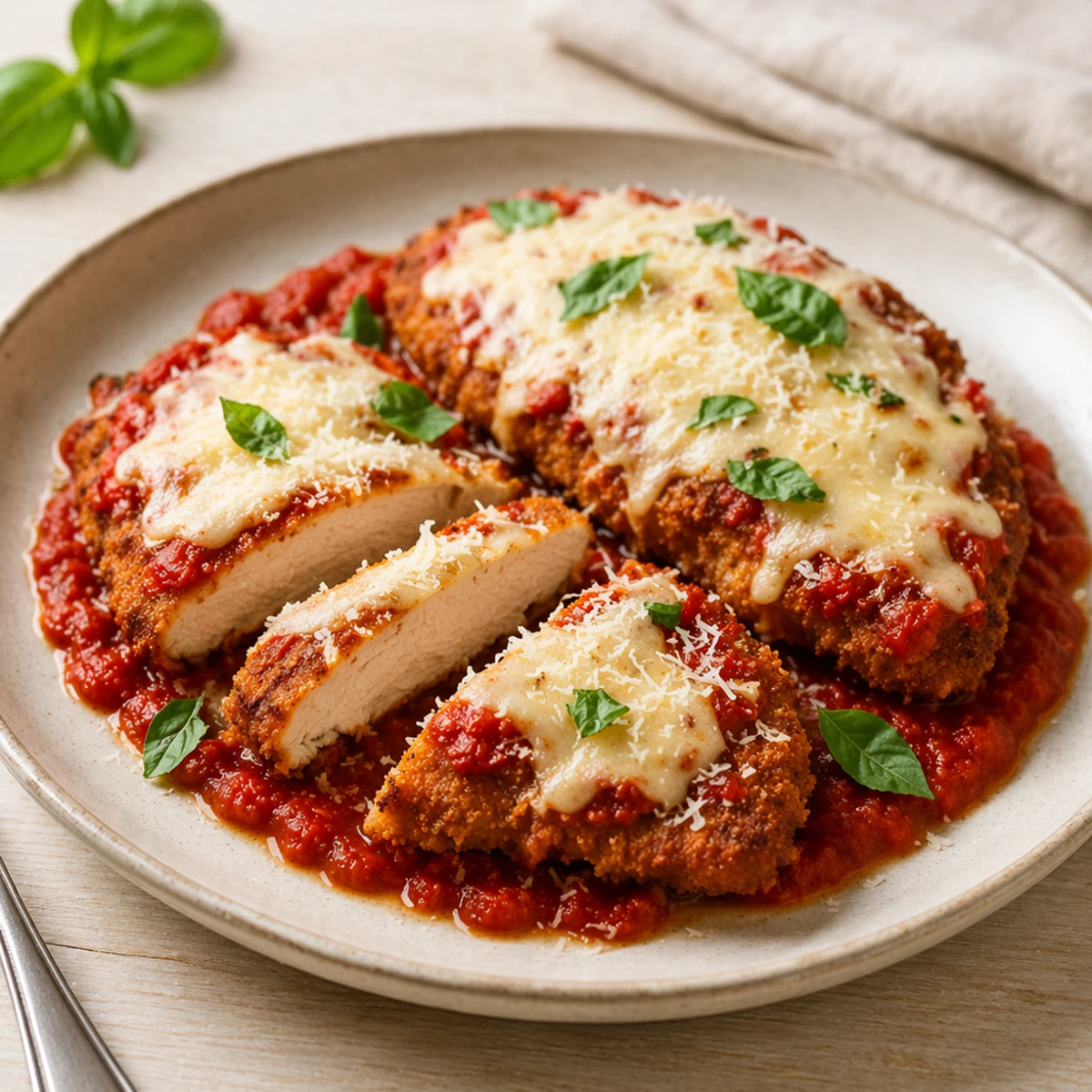
Chicken Parmigiana is one of those dishes that looks simple on the plate but is surprisingly tricky in the glass. The combination of crisp chicken, tangy tomato sauce, melted mozzarella, and salty, savory richness needs a wine that can keep up without feeling heavy. If you’re searching for the best wine with Chicken Parmigiana, the sweet spot is usually a wine with bright acidity, enough fruit to soften the tomato, and moderate tannin so it doesn’t clash with the cheese.
That’s why chicken cacciatore-style pairings often work so well here: the dish wants freshness, structure, and a little red-fruit lift rather than big oak or aggressive tannins. In this guide, we’ll focus on wines that make parmesan chicken taste even better, whether you’re planning a weeknight dinner, a restaurant order, or comparing options for a chicken parmigiana recipe night at home.
Why Chicken Cacciatore-Style Pairings Work with Chicken Parmigiana
The key to pairing wine with Chicken Parmigiana is understanding the dish’s building blocks. Tomato sauce brings acidity and a slightly sweet, cooked-fruit character. Mozzarella adds creamy fat and salt. The chicken contributes mild savoriness, while frying or baking can add a browned, toasty edge. Together, those elements call for a wine that is vibrant enough to refresh the palate, but not so sharp that it makes the tomato taste harsher.
This is where medium-bodied reds shine. Grapes like Sangiovese, Barbera, Corvina, and Pinot Noir naturally offer high acidity and red-fruit flavors that echo the sauce without overpowering the chicken. They also tend to have softer tannins than bigger Cabernet Sauvignon-style wines, which matters because tannin can feel metallic or bitter next to tomato and cheese. If you prefer white wine, you want something with texture and enough lift to handle the salt and umami, not a flabby, low-acid style.
For diners looking up chicken cacciatore, parmesan chicken, or even a chicken parmigiana recipe, the same principle applies: balance is everything. The best matches are wines that cleanse the palate, complement the tomato, and stay lively through each cheesy bite. If you enjoy exploring similar comfort-food pairings, you may also like our wine with meatloaf with mushroom sauce guide for another savory, sauce-driven dish.
Top Wine Recommendations for Chicken Cacciatore and Chicken Parmigiana
Ai Colli Valpolicella Ripasso by Vivaldi
This Valpolicella Ripasso from Italy is one of the strongest matches for Chicken Parmigiana because it brings ripe cherry fruit, medium body, and a touch of extra depth. The Corvina grape gives the wine freshness and gentle grip, which works beautifully with tomato sauce and mozzarella. It feels polished, flavorful, and just substantial enough for parmesan chicken without overwhelming it.
Cantina Piane di Serravalle Sangiovese by Cantina Piane di Serravalle
Sangiovese is a classic answer when people ask what wine goes with chicken cacciatore or Chicken Parmigiana. This bottle’s bright acidity and savory red-fruit profile make it a natural partner for Napoli sauce, while its moderate tannin keeps the cheese from feeling too rich. It’s a particularly smart choice if you like a more traditional Italian-style pairing.
Flaccianello della Pieve by Fontodi
If you want a more elevated special-occasion bottle, this Sangiovese from Colli della Toscana Centrale brings depth, structure, and serious food compatibility. It has the acidity to cut through fried chicken and melted mozzarella, but enough concentration to feel luxurious alongside a richer chicken parmigiana recipe. This is the kind of wine that turns a familiar dish into a dinner-party centerpiece.
Briccotondo Barbera by Fontanafredda
Barbera is a classic food wine for tomato-based dishes, and this Piemonte example is a very practical, crowd-pleasing choice. Barbera’s naturally high acidity makes it excellent with tomato sauce, while its juicy fruit helps smooth out the salty, umami-rich character of the cheese. For many diners, this is the easiest bottle to love with chicken cacciatore-style comfort food.
Enselberg Jechtingen GG by Franz Keller
For a more refined, cooler-climate red, this Pinot Noir from Baden offers elegance rather than power. Pinot Noir’s soft tannins and red-fruit brightness make it a graceful match for Chicken Parmigiana, especially if you prefer a wine that won’t dominate the dish. It’s a very good option when you want something lighter on its feet but still serious enough for parmesan chicken.
Donnapaolina by La Torre del Nano
If you’re leaning toward white wine, this Falerio Pecorino is the best outlier in the group. Its fresh acidity and textured feel can handle the salt, cheese, and tomato without disappearing, making it a smart choice for diners who don’t want red. It won’t be as classic as Sangiovese or Barbera, but it offers a clean, lively contrast that works surprisingly well.
Budget vs. Special Occasion
If you’re shopping for value, Briccotondo Barbera by Fontanafredda is the most budget-friendly style-minded pick here. It delivers exactly what Chicken Parmigiana needs: acidity, juicy fruit, and enough structure to stay interesting with tomato and cheese. It’s also widely accessible in the U.S. market, which makes it an easy bottle to find.
For a splurge, Flaccianello della Pieve by Fontodi is the standout special-occasion bottle. It has the depth and polish to elevate a familiar comfort dish, and its Sangiovese backbone makes it especially strong with rich, savory chicken cacciatore-style flavors. If you want the dinner to feel memorable, this is the bottle to open.
Frequently Asked Questions
What wine goes with Chicken Parmigiana?
The best wine with Chicken Parmigiana is usually a medium-bodied red with bright acidity, such as Sangiovese, Barbera, or Valpolicella Ripasso. These wines handle tomato sauce, melted mozzarella, and fried chicken better than heavy, tannic reds. If you prefer white, choose something crisp and textured.
Is red or white wine better with Chicken Parmigiana?
Red wine is usually the better match because the dish has tomato sauce, cheese, and savory richness. A red with fresh acidity and moderate tannin will complement the sauce and cut through the fat. White wine can work too, but it should be lively and not too soft.
What is the best Italian wine for Chicken Parmigiana?
Sangiovese is one of the best Italian choices for Chicken Parmigiana because its acidity and cherry-driven flavor fit tomato sauce perfectly. Valpolicella Ripasso and Barbera are also excellent, especially if you want a wine that feels classic, balanced, and very food-friendly.
Can I drink Pinot Noir with Chicken Parmigiana?
Yes, Pinot Noir can work very well with Chicken Parmigiana, especially if you prefer a lighter red. Its soft tannins and bright red fruit keep it from clashing with the tomato sauce or mozzarella. Choose a balanced, not overly oaky style for the best result.
What’s the best budget wine for Chicken Parmigiana?
A good budget-friendly choice is Barbera. It’s naturally high in acidity, which makes it ideal for tomato-based dishes, and it has enough fruit to keep the pairing pleasant and approachable. It’s one of the easiest wines to enjoy with chicken parmigiana recipe nights at home.
Does Chicken Parmigiana need an expensive wine?
Not at all. Chicken Parmigiana is a comfort dish, and it pairs best with wines that are balanced rather than expensive. A well-made bottle in the $15–30 range often works better than a powerful, costly red. The goal is freshness, harmony, and enough structure to match the sauce.
Conclusion
Chicken Parmigiana is a great example of why wine pairing is so rewarding: a familiar dish can taste even better when the wine matches its acidity, salt, and richness. For the most reliable results, start with Sangiovese, Barbera, Valpolicella Ripasso, or a graceful Pinot Noir. If you’re exploring chicken cacciatore, parmesan chicken, or other comfort-food favorites, Gastrona makes it easy to discover pairings that fit your taste and your budget. Use it as your shortcut to better dinners, better bottles, and more confident choices at the table.