

Introduction
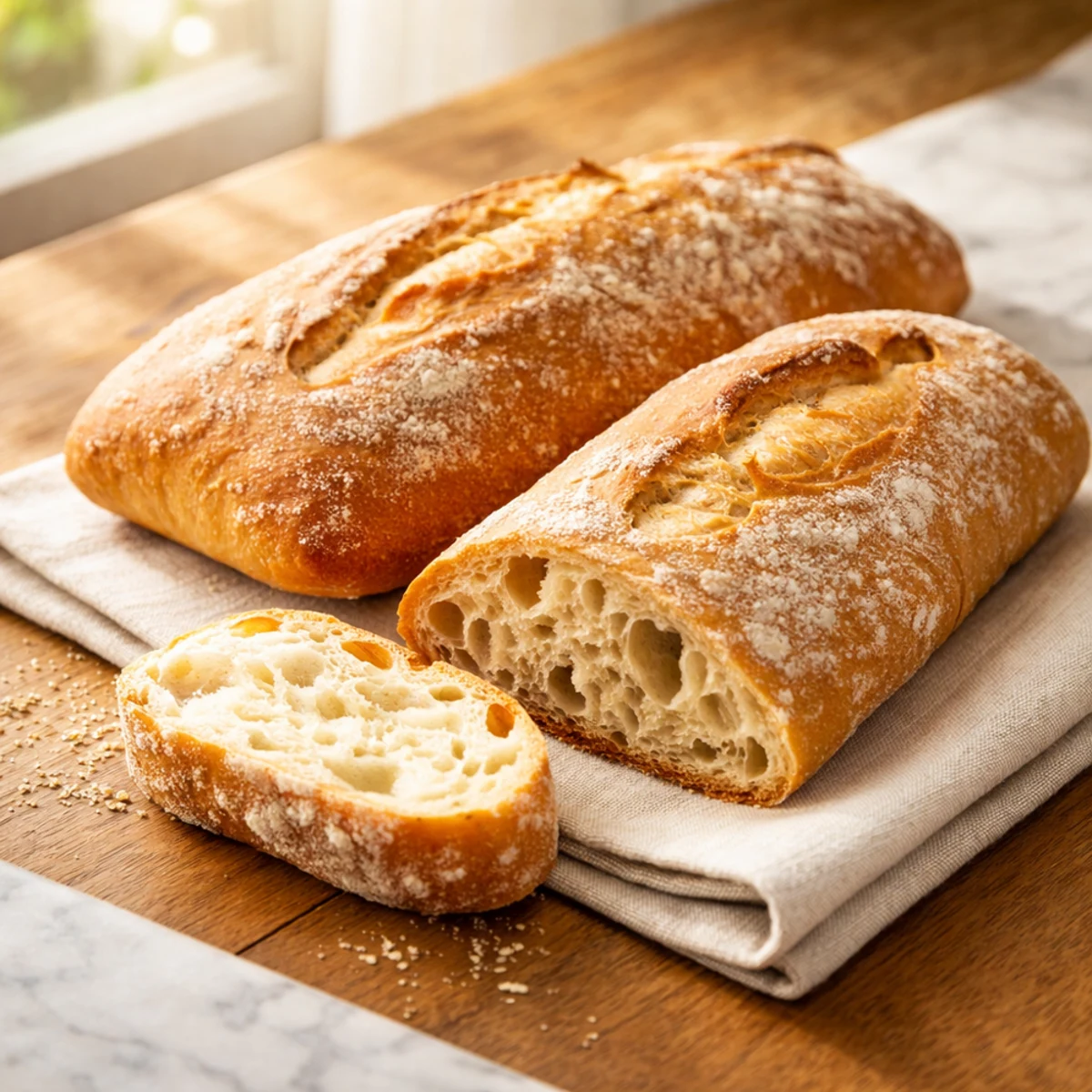
Ciabatta may look simple, but that’s exactly what makes it such an interesting wine pairing. With its airy crumb, chewy crust, and subtle savory flavor from wheat flour, yeast, and olive oil, this bread can either disappear beside the wrong wine or shine with the right one. The best wine for Ciabatta is usually one that brings freshness, balance, and enough texture to meet the bread’s gentle richness without overpowering it.
In other words, this is a wine pairing where finesse matters more than force. You want a wine recommendation that can echo the bread’s clean flavor, lift the olive oil, and keep every bite feeling lively. A crisp white, a sparkling wine, or a light red can all be a perfect match depending on how you’re serving the bread.
Why These Wine Pairings Work
Ciabatta is not a highly seasoned dish, so the wine pairing should focus on contrast and harmony rather than intensity. Its key qualities are mild wheat flavor, a slightly savory yeast note, and the soft richness that comes from olive oil. That means the best wine for Ciabatta is usually one with bright acidity, moderate body, and a clean finish.
Acidity is the most important factor here. A wine with fresh acidity cuts through the olive oil and keeps the palate from feeling weighed down. That’s why sparkling wines and crisp whites often work so well: they refresh the mouth after each bite and make the bread taste even more fragrant. If you’re serving Ciabatta as part of an appetizer spread, a wine with some minerality can also highlight the bread’s toasted crust and subtle saltiness.
Texture matters too. Ciabatta has a chewy, open structure, so a wine with too much tannin can feel harsh, especially if the bread is served plain. Light reds with soft tannins can work, but they should stay on the fresher side. For a richer serving style—say, with olive oil for dipping or alongside antipasti—you can move toward wines with a little more body, as long as they keep their balance.
If you want to explore more bread-and-wine combinations, wine with Sofrito and wine with empanadas are helpful examples of how savory flavors change the ideal wine pairing. For Ciabatta, the goal is simple: freshness, restraint, and a wine recommendation that lets the bread’s texture do the talking.
Top Wine Recommendations for Ciabatta
Because there is no verified bottle-level pairing data for Ciabatta, the best wine recommendation is based on style, grape, and region rather than producer. That still gives you plenty of excellent options in the U.S. market, especially at the $15–30 price point.
1. Italian Pinot Grigio
A dry, crisp Pinot Grigio is one of the safest and most reliable choices for Ciabatta. Its light body and bright acidity keep the olive oil feeling fresh, while its subtle fruit and neutral profile respect the bread’s mild flavor. This is a classic wine pairing when you want something easy, clean, and widely available.
2. Sauvignon Blanc from California or France
Sauvignon Blanc brings zesty acidity and a vivid, mouthwatering edge that works beautifully with the savory side of Ciabatta. If the bread is served with herbs, cheese, or a dipping oil, this style becomes even more effective. A California version may feel a bit rounder, while a Loire Valley wine recommendation often adds a more mineral, linear feel.
3. Spanish Albariño
Albariño is a fantastic perfect match for Ciabatta because it combines freshness with a slightly saline, stone-fruit character. That saline quality can make the bread taste more savory and more complex, especially if you’re serving it with olives or seafood. It’s one of the most food-friendly white wines you can buy in the U.S. market.
4. Sparkling Wine: Prosecco or Brut Cava
If you want the most versatile wine for Ciabatta, go sparkling. Prosecco offers soft fruit and lively bubbles, while Brut Cava usually brings a drier, more structured feel. Either style scrubs the palate clean and gives the bread a celebratory lift. Sparkling wine is especially strong when Ciabatta is part of a larger appetizer board.
5. Oregon Pinot Noir
For a red wine pairing, Oregon Pinot Noir is a smart choice because it stays light, elegant, and low in tannin. Its red fruit and earthy notes can complement the bread’s yeast character without overwhelming it. This is the best route if you prefer red wine but still want freshness over weight.
6. Light-bodied Italian Red: Barbera or Valpolicella
If you want a red with a bit more savory depth, Barbera or a lighter Valpolicella-style wine can work well with Ciabatta. Barbera’s bright acidity makes it especially bread-friendly, while Valpolicella offers gentle cherry notes and soft structure. These are good wine recommendations when Ciabatta is served with charcuterie, tomato-based toppings, or roasted vegetables.
Budget vs. Special Occasion
For a budget-friendly wine pairing, look for a simple Italian Pinot Grigio or a Spanish Cava in the $15–20 range. Both are easy to find at Trader Joe’s, Total Wine, and many grocery stores, and both give you the freshness Ciabatta needs without stretching your budget.
For a special occasion, choose a higher-quality Brut sparkling wine, a more precise Albariño, or a polished Oregon Pinot Noir in the $25–30 range. These wines bring more texture, complexity, and length, which can make even plain Ciabatta feel more refined. If you’re building a full meal, Gastrona can help you find the perfect match for the rest of the menu too.
Frequently Asked Questions
What wine goes with Ciabatta?
The best wine with Ciabatta is usually a crisp white or sparkling wine. Pinot Grigio, Sauvignon Blanc, Albariño, and Brut sparkling wine all work because they bring acidity and freshness to balance the bread’s olive oil and mild savory flavor. If you prefer red, choose something light and low in tannin.
What is the best wine for Ciabatta with olive oil?
Ciabatta with olive oil pairs especially well with wines that have bright acidity and a clean finish. Albariño, Sauvignon Blanc, and Brut sparkling wine are all strong choices because they cut through the oil and keep the palate refreshed. The goal is to enhance the bread’s texture, not bury it.
Can I drink red wine with Ciabatta?
Yes, but keep the red light and fresh. Oregon Pinot Noir, Barbera, or a lighter Valpolicella-style wine can work as a wine pairing for Ciabatta, especially if the bread is served with antipasti or richer toppings. Avoid heavy, tannic reds, which can make the bread taste dry or flat.
Is sparkling wine a good wine pairing for Ciabatta?
Absolutely. Sparkling wine is one of the best answers to the question of what wine goes with Ciabatta. The bubbles lift the bread’s texture, and the acidity balances the olive oil beautifully. Prosecco is softer and fruitier, while Brut Cava is drier and more structured.
What’s the easiest wine recommendation for Ciabatta at a dinner party?
A dry Italian Pinot Grigio or a Brut sparkling wine is the easiest, most crowd-pleasing wine recommendation. Both are widely available in the U.S., affordable, and flexible enough to work with plain Ciabatta or a broader appetizer spread. They make a safe perfect match when you want something simple and reliable.
Conclusion
Ciabatta is proof that even the simplest foods deserve a thoughtful wine pairing. Because its flavor is mild and its texture is all about contrast, the best wine for Ciabatta is one that stays fresh, balanced, and food-friendly. Whether you choose a crisp white, a sparkling wine, or a light red, the right bottle will make each bite feel brighter and more expressive. Use Gastrona to explore more wine pairing ideas and find your next perfect match with confidence.