

Wine with Saltimbocca: what makes the pairing so good?
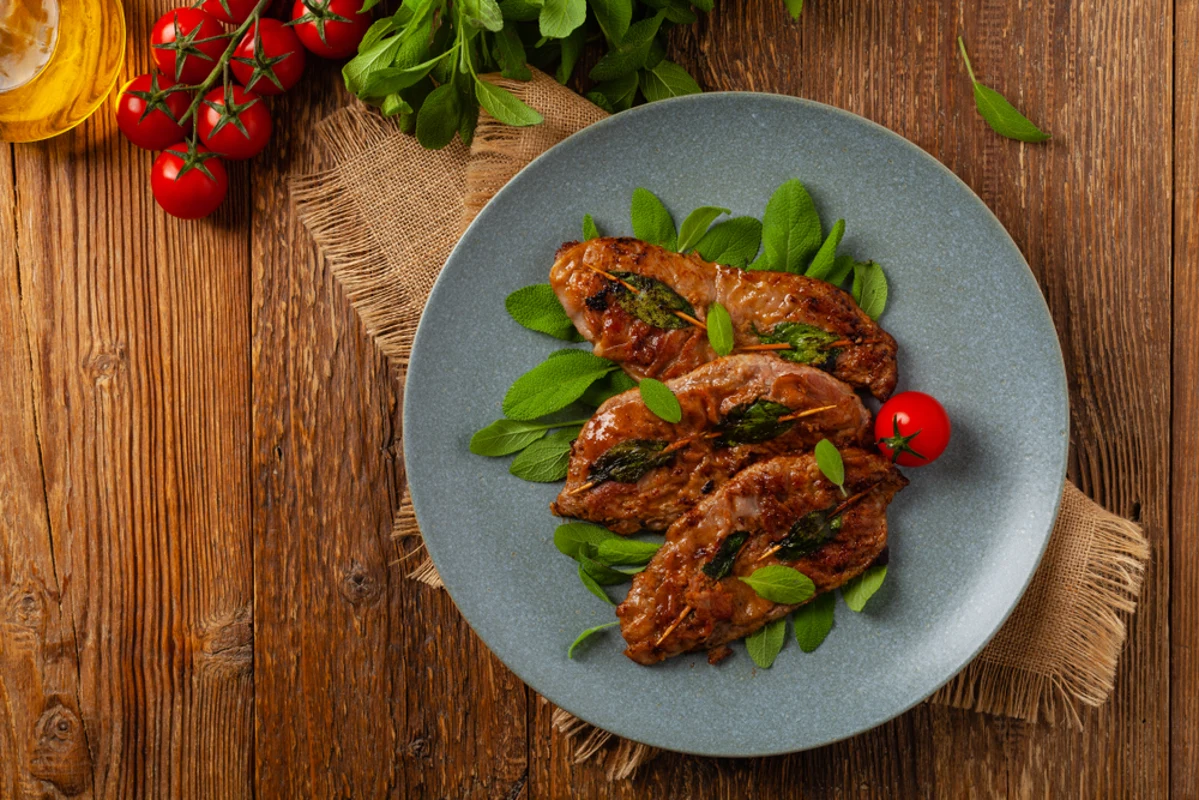
Saltimbocca is one of those dishes that looks simple but asks a lot from a wine. With veal, ham, and sage, it brings salt, umami, herbal notes, and a gentle richness that can make a wine taste flat if the match is too soft or too oaky. The best wine with saltimbocca needs enough acidity to cut through the savory depth, enough structure to stand up to the meat, and enough freshness to keep the sage and salt feeling lively. In other words, saltimbocca is all about balance.
For diners searching for the best wine for saltimbocca, the winning formula is usually medium-bodied red wines with bright acidity, moderate tannin, and red-fruit purity. That is why classic Italian reds, especially Sangiovese-based wines, work so naturally. They echo the dish’s savory edge without overpowering it, and they keep every bite feeling clean. If you are exploring a chicken saltimbocca recipe or a veal saltimbocca recipe, the same pairing logic applies: savory, salty, and herb-driven dishes tend to shine with wines that refresh rather than smother.
Why these saltimbocca pairings work
The core challenge in a saltimbocca wine pairing is the dish’s combination of salt and umami. Ham intensifies savoriness, while veal adds tenderness and subtle sweetness. Sage brings a resinous, aromatic lift that can make overly fruity or heavily oaked wines feel clumsy. The ideal wine needs to be expressive, but not loud.
Acidity is the first key. A wine with lively acidity resets the palate after the salty ham and rich veal, making each bite taste brighter. That is why Sangiovese-based wines are such a strong answer to saltimbocca: they naturally bring freshness, red cherry fruit, and a savory, earthy backbone. Moderate tannin also helps, but too much tannin can clash with the salt and make the wine feel harsh. For that reason, polished reds with fine-grained structure are better than dense, muscular bottles.
Body matters too. Saltimbocca is not a heavy braise, so it does not need a massive wine. Medium body is usually the sweet spot, especially for chicken saltimbocca and many veal saltimbocca recipes. If the dish is richer or served with buttery sides, a slightly rounder style like Ripasso can work beautifully. For a more elegant, restaurant-style plate, Pinot Noir is a graceful option because it offers freshness, perfume, and subtle earthiness without overwhelming the sage.
If you want more pairing ideas beyond saltimbocca, try wine with bruschetta for another Italian-friendly red-wine guide, or wine with cannelloni if you are building a full meal around a classic trattoria menu.
Top wine recommendations for saltimbocca
1) Chianti Classico by Capraia, Chianti Classico, Italy
This is the standout match for saltimbocca, and for good reason. Sangiovese’s bright acidity, cherry fruit, and savory edge line up perfectly with the salty ham and herbal sage, while the wine’s structure supports the veal without burying it. If you want the most classic wine with saltimbocca, start here.
2) Chianti Classico by I Fabbri di Susanna Grassi, Chianti, Italy
Another excellent Sangiovese-driven answer, this wine brings freshness, lift, and a food-friendly profile that feels tailor-made for saltimbocca. It is especially good if you like a slightly leaner, more linear style that keeps the dish feeling elegant and balanced.
3) Castelmare Valpolicella Ripasso Superiore by Cantina Valpolicella Negrar, Valpolicella Ripasso, Italy
Ripasso adds a little more body and plushness, which can be ideal if your saltimbocca is served with richer sides or a more generous sauce. The Corvina and Rondinella blend offers ripe red fruit and soft structure, making it a great choice when you want comfort as well as freshness.
4) Volnay Clos des Chênes 1er Cru by Domaine Latour-Giraud, Côte de Beaune, France
For a more refined, special-occasion pairing, this Pinot Noir is beautifully suited to saltimbocca. Its silky texture, red-fruit purity, and earthy nuance complement the veal and sage without competing with the ham’s saltiness. It is an elegant, nuanced match for diners who prefer finesse over power.
5) Tignanello by Antinori, Toscana, Italy
If you want a more luxurious bottle, Tignanello brings depth, polish, and enough structure to handle the savory intensity of saltimbocca. The Sangiovese core keeps it food-friendly, while the Cabernet Sauvignon adds weight and dark-fruit depth for a richer, more dramatic pairing.
6) Boira' Sangiovese by Cantine Volpi, Piemonte, Italy
This is the value-friendly option that still makes a lot of sense with saltimbocca. Sangiovese’s natural acidity and savory character work well with the dish’s salt and umami, making it a smart everyday bottle for weeknight chicken saltimbocca or a simpler veal saltimbocca recipe.
Budget vs. special occasion
For a more affordable saltimbocca wine pairing, Boira' Sangiovese by Cantine Volpi is a strong choice. It delivers the acidity and savory lift you want, and it should fit comfortably in the typical U.S. range of about $15–30, depending on the store. It is the kind of bottle you can find at a good grocery store, local wine shop, or major retailer without overthinking it.
For a splurge, Tignanello by Antinori is the most celebratory option in the lineup. It brings more depth, polish, and complexity, making it ideal when saltimbocca is the centerpiece of a special dinner. If you prefer elegance over power, Volnay Clos des Chênes 1er Cru is another beautiful special-occasion pick.
Frequently asked questions
What is the best wine with saltimbocca?
The best wine with saltimbocca is usually a Sangiovese-based red, especially Chianti Classico. Its bright acidity and savory red-fruit profile cut through the salt and umami in the dish while complementing the sage. It is the safest, most classic answer for both veal saltimbocca recipes and chicken saltimbocca.
Can I drink white wine with saltimbocca?
Yes, but red is usually the better fit. A white wine would need enough acidity and body to handle the ham and veal without tasting thin. If you prefer white, look for something structured and dry, but for most saltimbocca pairings, a light-to-medium red performs better.
Does chicken saltimbocca need a different wine than veal saltimbocca?
Not dramatically. Chicken saltimbocca is often a little lighter, so a fresher, more delicate red like Chianti Classico or Pinot Noir works very well. Veal saltimbocca can take slightly more structure, which is where Ripasso or a richer Sangiovese can be especially appealing.
Is Pinot Noir good with saltimbocca?
Yes. Pinot Noir is a great choice if you want something elegant and less tannic. Its acidity, red fruit, and earthy character make it a natural match for the sage and veal, especially in a more refined saltimbocca recipe.
What is the best budget wine for saltimbocca?
A budget-friendly Sangiovese is usually the best move. Boira' Sangiovese by Cantine Volpi offers the freshness and savory balance that saltimbocca needs, without pushing you into a premium price bracket. It is practical, food-friendly, and easy to enjoy.
Conclusion
Saltimbocca is a classic case of a dish that rewards thoughtful pairing. Because it is salty, savory, and herb-driven, the best wine with saltimbocca is one that brings freshness, balance, and enough structure to keep the flavors vivid. Chianti Classico is the most reliable answer, but Pinot Noir, Ripasso, and even a polished Super Tuscan can all shine depending on the occasion. Use Gastrona to compare saltimbocca pairing options and discover the bottle that fits your table best.