

Introduction
Panzanella is the kind of dish that feels like summer in a bowl: juicy tomatoes, fragrant basil, crisp bread, and a bright, savory dressing that wakes up every bite. It’s rustic, colorful, and deeply satisfying, which is exactly why it has become such a favorite for home cooks looking for a simple but memorable meal. If you love dishes that rely on peak-season produce and a little kitchen intuition, this panzanella recipe delivers all the charm without any fuss.
What makes it especially appealing for wine lovers is its versatility. The sweet acidity of tomatoes, the gentle bite of onion, and the olive oil-rich dressing create a natural opening for a thoughtful wine pairing. Whether you’re planning a casual patio lunch, a light dinner, or a starter for an Italian-inspired meal, the right wine can turn this salad into something truly special. In this guide, we’ll explore the story behind panzanella, break down the ingredients, and share the best wine for Panzanella so you can find a perfect match with confidence.
About This Dish
Panzanella is a classic Tuscan bread salad that was born from necessity and elevated by time. Traditionally, it was a clever way to use up stale bread and ripe summer vegetables, especially tomatoes, when both were at their best. That practical origin is part of its charm: panzanella proves that some of the most beloved recipes come from making the most of what you have. Over the years, it has moved from humble farmhouse cooking to a dish celebrated in restaurants and home kitchens alike.
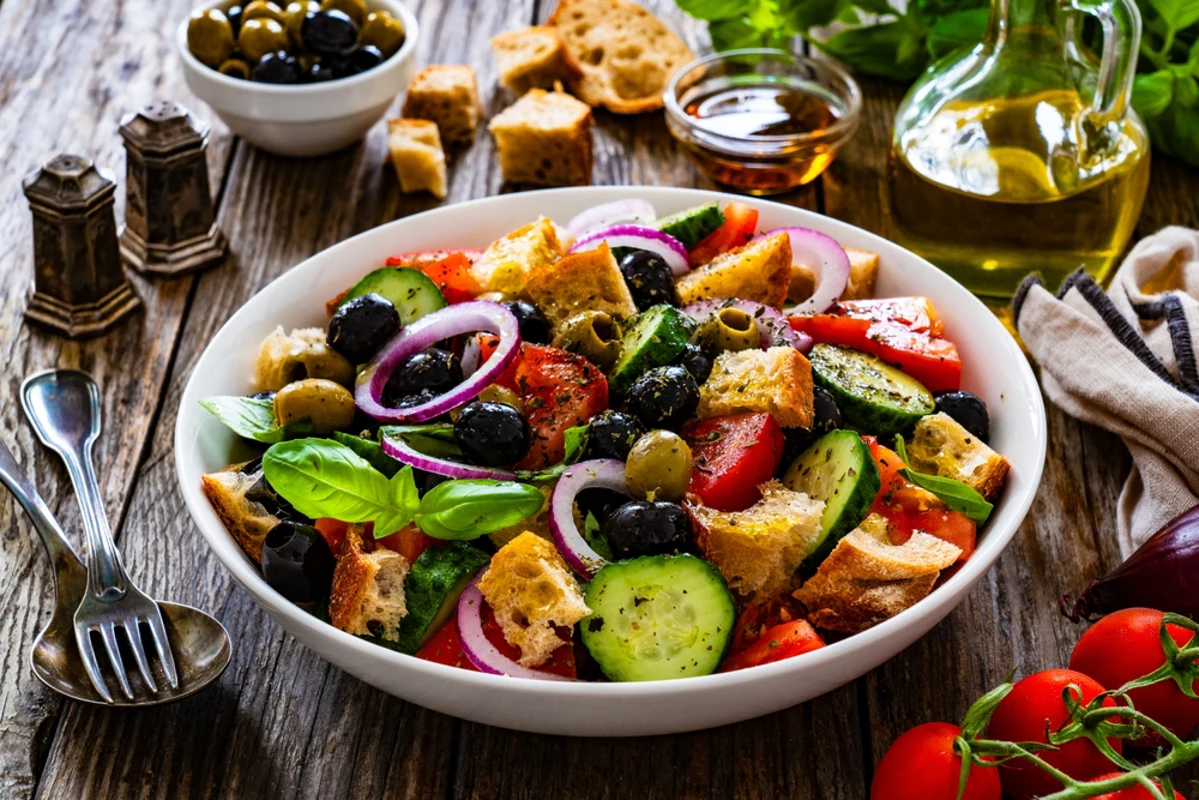
What makes panzanella so special is its balance of textures and flavors. The bread soaks up tomato juices and dressing, becoming tender but still pleasantly chewy. The tomatoes bring sweetness and acidity, the onion adds sharpness, the cucumber contributes freshness, and the basil lifts everything with a fragrant herbal note. Olives add a salty, briny depth that keeps each bite interesting. It’s a dish that feels relaxed but never boring.
In American food culture, panzanella fits beautifully into the way people like to eat now: seasonal, flexible, and unfussy, yet still elegant enough for guests. It works as a side dish, a light main course, or part of a larger spread. And because it leans on freshness and acidity, it is especially rewarding to pair with wine. That makes it an ideal recipe for anyone searching for a wine pairing that feels easy, smart, and delicious.
Key Ingredients & Their Role
At the heart of panzanella are a few simple ingredients that do a lot of heavy lifting. The bread is the foundation, and it’s important to use stale crusty bread such as ciabatta or sourdough. Once toasted, it gives the salad structure and absorbs the dressing and tomato juices without collapsing completely. That contrast between crisp edges and softened centers is one of the reasons panzanella is so satisfying.
Tomatoes are the soul of the dish. Choose ripe, flavorful tomatoes with plenty of juice and natural sweetness. Their acidity brightens the salad, while their sweetness balances the vinegar and onion. Red onion adds a clean, sharp bite that keeps the flavors lively. When sliced thinly, it gives just enough edge without overpowering the dish. Cucumber brings coolness and crunch, making the salad feel especially refreshing.
The olives contribute saltiness and a savory, Mediterranean depth that rounds out the flavor profile. Extra virgin olive oil is essential because it binds everything together with richness and fruitiness. Red wine vinegar adds the kind of zing that makes each bite pop, while garlic, if you use it, adds a subtle aromatic backbone. Fresh basil is the finishing touch: bright, peppery, and unmistakably summery.
From a wine pairing perspective, this ingredient mix points toward wines with good acidity, moderate body, and low-to-medium tannins. Because the salad is fresh and tomato-driven, a wine with lively acidity will feel like a natural perfect match. Too much oak or heavy tannin can make the pairing taste harsh, while a bright, fruit-forward style will complement the dish beautifully. That’s why the best wine for Panzanella often comes from cool-climate regions or classic Mediterranean styles.
Recipe
Panzanella Recipe
| Prep Time | 20 minutes |
|---|---|
| Cook Time | 10 minutes |
| Total Time | 30 minutes |
| Servings | 4 |
| Difficulty | Easy |
Ingredients:
- 4 cups, cubed Stale crusty bread (e.g. ciabatta or sourdough)
- 4 medium, chopped Ripe tomatoes
- 1 medium, thinly sliced Red onion
- 1 medium, sliced Cucumber
- 1 cup Black and green olives (preferably pitted)
- 1/3 cup Extra virgin olive oil
- 2 tbsp Red wine vinegar
- 1 small, minced Garlic clove (optional)
- 1/4 cup (plus extra for garnish) Fresh basil leaves
- to taste Salt
- to taste Freshly ground black pepper
Instructions:
- Preheat the oven to 375°F (190°C). Spread the bread cubes on a baking tray and lightly toast in the middle of the oven for 10-12 minutes or until golden and slightly crisp. Remove and let cool.
- Meanwhile, prepare the vegetables. Chop the tomatoes into bite-sized pieces, slice the red onion thinly, and slice the cucumber into round or half-moon shapes.
- In a large bowl, combine the tomatoes, red onion, cucumber, olives, and toasted bread cubes.
- Prepare the dressing by whisking together the extra virgin olive oil, red wine vinegar, minced garlic (if using), salt, and black pepper in a small bowl or jar.
- Drizzle the dressing evenly over the salad and toss gently to combine, ensuring the bread absorbs some of the juices.
- Add the fresh basil leaves and gently toss one more time. Taste and adjust seasoning with additional salt or pepper if needed.
- Transfer the salad to a large serving bowl or plate. Garnish with additional basil leaves for an elegant presentation. Serve immediately and enjoy!
Nutrition Facts (per serving):
- Calories: 320 kcal
- Protein: 6.0g
- Fat: 15.0g
- Carbohydrates: 40.0g
- Salt: 1.2g
Dietary Information:
Contains gluten, Dairy-free, Nut-free
Perfect Wine Pairings
The best wine pairing for panzanella starts with one simple idea: match the salad’s brightness rather than fight it. Because tomatoes bring acidity and sweetness, and the dressing adds tang, you want wines that are fresh, lively, and not overly heavy. A wine with crisp acidity will make the tomatoes taste even sweeter and keep the bread, olive oil, and basil feeling balanced. In other words, you’re looking for freshness, not power.
A classic choice is Italian Vermentino, especially from coastal regions. It has citrusy lift, herbal notes, and a saline edge that works beautifully with olives and basil. If you want a white wine recommendation that feels easy and food-friendly, this is a great place to start. In the U.S., bottles from Italy are widely available at Total Wine, Trader Joe’s, and local wine shops, often in the $15-30 range.
Another excellent option is Sauvignon Blanc from California or Washington State. These wines often show grapefruit, lemon, and fresh-cut herb character, which makes them a natural partner for the tomatoes and basil in this recipe. Look for a style that is bright and zippy rather than overly tropical or heavily oaked. That freshness is what creates the perfect match.
If you prefer red wine, go for light-bodied Pinot Noir from Oregon or a delicate Italian red such as a young Chianti. The key is restraint: soft tannins, bright red fruit, and enough acidity to stay in step with the salad. A big, tannic red can make the vinegar taste sharper, while a lighter style keeps everything harmonious. This is a smart wine recommendation for guests who want red with a summer dish.
For sparkling wine lovers, Prosecco or a dry sparkling wine from California is a fun and accessible choice. The bubbles refresh the palate, and the gentle fruitiness plays nicely with the sweetness of ripe tomatoes. If you’re shopping at BevMo, Trader Joe’s, or grocery stores, you’ll find plenty of value-driven bottles that make this pairing feel celebratory without stretching the budget. Gastrona can help you compare options and discover the wine for Panzanella that fits your taste and table.
Cooking Tips & Techniques
The biggest secret to great panzanella is bread management. You want bread that is stale enough to hold its shape, but not so dry that it tastes dusty. Lightly toasting the cubes in the oven gives them structure and helps them absorb the dressing in just the right way. If your bread is very fresh, let it sit out first or toast it a little longer, but avoid turning it into croutons.
Tomatoes matter just as much. Use the ripest tomatoes you can find, because their juice is what makes the salad come alive. If your tomatoes are especially juicy, let them sit with a little salt for a few minutes before assembling the salad. That will draw out even more flavor and help season the bread naturally. Thinly slicing the onion also makes a difference; a sharp onion bite can overwhelm the dish if the slices are too thick.
A common mistake is overdressing. Panzanella should be glossy and well-coated, not soggy. Add the dressing gradually and toss gently so the bread absorbs flavor without losing all texture. Another tip: season in stages. Taste after tossing, then adjust salt, pepper, or vinegar as needed. Finally, add basil at the end so it stays fragrant and fresh. That last burst of herbal aroma is part of what makes this recipe feel so vibrant.
Serving Suggestions
Panzanella is at its best when served slightly cool or at room temperature, which lets the tomatoes, basil, and olive oil shine. For a relaxed lunch, serve it in a wide shallow bowl so the colors and textures are front and center. For a more polished dinner presentation, mound it on a platter and finish with extra basil leaves and a drizzle of olive oil.
This dish pairs beautifully with grilled chicken, fish, or shrimp, but it also stands confidently on its own as a light vegetarian meal. Add a simple cheese course, roasted vegetables, or a bowl of soup if you want to build a larger spread. For a summer gathering, serve panzanella alongside chilled white wine, sparkling wine, or a light red, depending on your guests’ preferences.
If you’re entertaining, think casual elegance: linen napkins, good bread, and a bottle opened just before serving. That’s the kind of setting where panzanella feels completely at home.
Conclusion
Panzanella is proof that simple ingredients can create something memorable when they’re handled with care. With ripe tomatoes, crusty bread, and fresh basil, this recipe captures the spirit of summer in every bite. It’s easy to make, endlessly adaptable, and especially rewarding when you find the right wine pairing.
Whether you choose a crisp Italian white, a bright California Sauvignon Blanc, or a light Oregon Pinot Noir, the goal is the same: a wine for Panzanella that enhances the dish instead of competing with it. Explore your options, trust your palate, and let Gastrona guide you toward your next perfect match. Once you taste how well food and wine can work together, this panzanella recipe may become a staple at your table.