


Introduction
If you love sharing food that feels generous, colorful, and just a little bit celebratory, antipasti is one of the easiest ways to make a table come alive. This classic Italian starter platter brings together salty prosciutto, creamy mozzarella, briny olives, and roasted vegetables in a way that feels effortless but still special. For American home cooks, it is also one of the most flexible entertaining dishes you can make: no complicated cooking, no fussy timing, just great ingredients arranged with care.
Part of the charm of antipasti is that it invites conversation before the main meal even begins. Guests can nibble, mix, and build their own bites, which makes it perfect for wine night, holiday gatherings, or a relaxed weekend dinner. And because the flavors move between salty, savory, creamy, and acidic, antipasti wine pairing becomes especially fun. Sparkling wines, crisp whites, and light reds can all work beautifully depending on the balance of the platter. If you have ever wondered what wine goes with antipasti, this guide will help you pair it with confidence.
About This Dish
To understand antipasti, it helps to start with the antipasti meaning itself: in Italian, it literally means “before the meal.” That simple idea explains why the dish is so beloved. Antipasti definition aside, this is not just an appetizer in the American sense. It is a culinary tradition rooted in hospitality, designed to awaken the appetite and set the tone for the meal ahead. Across Italy, antipasti can range from a few slices of cured meat and cheese to a full spread of marinated vegetables, seafood, breads, and regional specialties.
Antipasti misti means a mixed antipasti platter, and that variety is exactly what makes it so appealing. A well-composed platter offers contrast in every bite: the saltiness of prosciutto, the soft richness of mozzarella, the sharp bite of olives, and the sweet-tangy depth of sun-dried tomatoes. In many Italian households, the platter is less about a strict recipe and more about what is fresh, local, and worth sharing. That flexibility has helped antipasti travel so well into American food culture, where it fits naturally into casual entertaining and wine-friendly meals.
For modern hosts, antipasti has another advantage: it feels elevated without requiring hours in the kitchen. It is easy to scale up, easy to customize, and easy to pair with wines from Italy, California, Oregon, or Washington. In other words, it is a dish that rewards good ingredients and a thoughtful bottle.
Key Ingredients & Their Role
The beauty of antipasti lies in how each ingredient contributes a distinct flavor and texture, while still working as part of a larger whole. Prosciutto brings the savory backbone: thin, delicate slices with a concentrated saltiness and a silky mouthfeel. It is one of the most recognizable ingredients in antipasti, and it provides a strong pairing anchor for wine because its cured, salty character loves bubbles and fresh acidity.
Fresh mozzarella softens the platter with creaminess and mild dairy sweetness. It acts almost like a palate rest between the more assertive bites. Mixed olives add briny intensity and a subtle bitterness, while sun-dried tomatoes bring chewy texture and a sweet-savory punch. Artichokes in oil contribute a gentle vegetal note and a little tang, which helps keep the platter lively. Grilled bell peppers and grilled eggplant add smoky sweetness and a silky, roasted depth that makes the dish feel more substantial. Sautéed mushrooms introduce earthy umami, echoing the savory character of the prosciutto and giving the platter a more rounded finish.
The toasted crusty bread is more than a vehicle; it adds crunch and structure, helping balance the soft cheeses and marinated vegetables. Extra virgin olive oil ties everything together with fruitiness and richness. For antipasti, this interplay matters because the dish is not dominated by one flavor. Instead, it moves from salty to creamy to acidic to earthy in a way that makes wine pairing more versatile. That is why sparkling wines, crisp whites, and light-bodied reds can all succeed. If you enjoy pairing boards and shared plates, you may also like our guide to pork tenderloin recipes, which explores another approachable, wine-friendly meal.
Recipe
Antipasti Misti Recipe
Prep Time: 15 minutes Cook Time: 10 minutes Total Time: 25 minutes Servings: 4 Difficulty: Easy
Ingredients
- 8 slices Prosciutto
- 2 balls Mozzarella (fresh)
- 1/2 cup Mixed Olives (black and green)
- 1/2 cup Sun-dried Tomatoes (in oil)
- 1/2 cup Artichokes in Oil
- 4 large strips Grilled Bell Peppers
- 1 medium Eggplant (grilled and sliced)
- 1 cup Mushrooms (sautéed)
- 8 slices Crusty Bread (toasted)
- 2 tbsp Olive Oil (extra virgin)
- to taste Salt
- to taste Black Pepper (freshly ground)
Instructions
- Prepare the mise-en-place: Slice the eggplant into rounds, sauté mushrooms, and grill or toast the crusty bread slices. Set aside.
- Drizzle the fresh mozzarella balls with 1 tablespoon of extra virgin olive oil and lightly season with a pinch of salt and freshly ground black pepper.
- Arrange the prosciutto slices neatly on the serving platter, slightly folding for a decorative effect.
- Place the prepared eggplant slices and grilled bell peppers on the platter, creating an even distribution of colors.
- Arrange the sautéed mushrooms and artichokes in oil in small sections on the platter, ensuring a balanced presentation.
- Fill a small serving dish or bowl with mixed black and green olives and set it on the platter.
- Add the sun-dried tomatoes to the platter, resting them near the other vegetables.
- Place the toasted crusty bread slices at the edge of the plate for easy access while serving.
- Drizzle the remaining 1 tablespoon of olive oil over the vegetables and sprinkle everything lightly with salt and pepper to taste.
- Serve chilled or at room temperature with guests encouraged to create their own combinations of flavors from the platter.
Nutrition Facts (per serving)
- Calories: 320 kcal
- Protein: 18.0g
- Fat: 20.0g
- Carbohydrates: 24.0g
- Salt: 3.0g
Dietary Information
Contains gluten, Contains dairy, Nut-free
Perfect Wine Pairings
The best antipasti wine pairing is one that respects the dish’s salt, fat, acidity, and umami. Because antipasti includes cured meat, olives, marinated vegetables, and cheese, the ideal wine should refresh the palate without overpowering the food. That is why sparkling wines are such natural partners: bubbles lift the richness of the mozzarella and prosciutto, while acidity cuts through the olive oil and salty ingredients.
A top choice is Prosecco Millesimato by Il Capolavoro Divino from Valpolicella, Italy. With a match score of 92/100, it fits the dish’s salty and savory profile beautifully. Look for bright fruit, lively acidity, and a crisp finish. It is widely in the style of bottle you can find at retailers like Total Wine, Trader Joe’s, BevMo, and local wine shops, often in the $15-30 range.
Another excellent option is L'Ermitage Brut by Roederer Estate from Anderson Valley, United States, also at 92/100. This is a fantastic American sparkling wine choice for hosts who want something elegant and food-friendly from a preferred U.S. region. Its Chardonnay and Pinot Noir blend gives it structure, freshness, and enough complexity to stand up to the prosciutto and mushrooms.
For a more refined California option, Blanc de Blancs Brut by Schramsberg from Napa Valley scores 91/100. Chardonnay-driven sparkling wine works especially well here because it mirrors the creamy mozzarella while staying brisk and precise. If you want to stay within the Italian sparkling family, Antius Prosecco Brut Millesimato by Societa Agricola Panin and Prosecco Valdobbiadene Superiore Millesimato Brut Rive Di Santo Stefano by Mionetto are both strong matches, offering the classic Glera-driven freshness that makes antipasti shine.
If you prefer a red, choose something light and sparkling like Pinot Nero Brut Metodo Classico by Primo Passo from Amarone della Valpolicella. Its red-fruit lift and gentle structure can work well with the earthier vegetables. For shoppers asking for the best wine for antipasti, Gastrona can help narrow the choice by flavor profile and retailer availability, making wine recommendation easy and approachable.
Cooking Tips & Techniques
Great antipasti is less about cooking and more about balance, timing, and presentation. Start with the best ingredients you can find, because this dish gives every component a spotlight. Prosciutto should be sliced thin and served at cool room temperature so its texture stays silky. Mozzarella should be drained well before plating to avoid excess moisture on the board. If your vegetables are marinated in oil, let them drain briefly so the platter does not become greasy.
A common mistake with antipasti is overcrowding the plate. Give each ingredient room so the colors and textures stand out. Another issue is serving everything too cold. While the platter can be chilled, the flavors are best when the cheese and cured meat are not straight from the refrigerator. Let them sit out briefly before serving for a fuller taste.
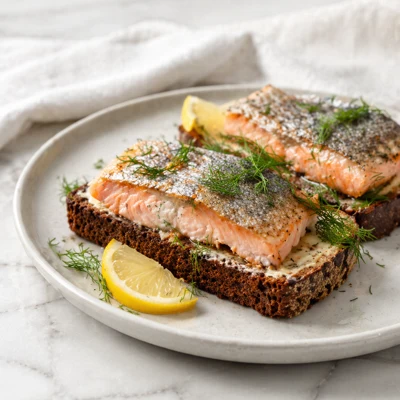
For the vegetables, aim for gentle seasoning rather than heavy spice. The dish should taste layered, not loud. A good drizzle of extra virgin olive oil at the end adds shine and richness, while freshly ground black pepper gives a subtle lift. If you are making antipasti for a wine tasting, keep the platter simple and let the wines do the talking. For a more substantial spread, pair it with a rustic main or a second board, such as arctic char with rye bread and dill, for a memorable mixed-menu dinner.
Serving Suggestions
Serve antipasti on a large platter or wooden board so guests can easily see the colors and choose their own combinations. Place the prosciutto in loose folds, tuck the mozzarella into open spaces, and cluster the olives, artichokes, and sun-dried tomatoes in small sections for visual contrast. The goal is abundance without chaos.
This dish works beautifully as a starter before pasta, grilled meats, or seafood, but it can also become the centerpiece of a casual lunch with wine and conversation. Add a few small forks, cocktail picks, or serving tongs to make the platter easy to share. For a more polished table, pair antipasti with linen napkins, a chilled bottle, and simple glassware that lets the wine and food feel relaxed but intentional.
If you are serving antipasti for a crowd, offer one sparkling wine and one light white or red so guests can explore different pairings. The dish also plays well with bread and a simple salad, making it easy to build a full meal around a single board.
Frequently Asked Questions
What is antipasti?
Antipasti is the traditional Italian first course, usually served before the main meal. The antipasti meaning is literally “before the meal,” and it often includes cured meats, cheeses, vegetables, olives, and bread. In practice, it is a flexible, shareable starter designed to awaken the appetite.
What is the best wine with antipasti?
The best wine with antipasti is usually a sparkling wine with bright acidity, such as Prosecco or a Brut sparkling wine. Bubbles handle salty prosciutto, creamy mozzarella, and marinated vegetables especially well. Light-bodied whites and fresh, low-tannin reds can also work depending on the platter.
What does antipasti mean in Italian?
The antipasti meaning in Italian is “before the meal.” It refers to the appetizer course that comes before pasta, meat, or seafood. The phrase reflects the role of the dish: to prepare the palate and set the mood for the rest of the meal.
What is the best wine for antipasti misti?
For antipasti misti, sparkling wines are usually the safest and most delicious choice. A Brut Prosecco, a California sparkling wine, or a Blanc de Blancs all pair well because they balance salt, fat, and acidity. If you prefer red, choose a light sparkling style or very low tannin.
Can I serve antipasti misti with red wine?
Yes, but choose carefully. A light, fresh red with low tannins is better than a heavy, oaky one. The salty and briny elements in antipasti can clash with strong tannins, so a gentle sparkling red or a delicate Pinot Noir-style wine is usually the better route.
Is antipasti a meal or an appetizer?
Traditionally, antipasti is an appetizer or first course, not the main meal. That said, a generous antipasti misti platter can absolutely become a light meal, especially when served with bread, wine, and a few extra dishes for sharing.
Conclusion
Antipasti is proof that a simple platter can feel luxurious when the ingredients are thoughtful and the wine pairing is right. With salty prosciutto, creamy mozzarella, briny olives, and roasted vegetables, it offers a little bit of everything: texture, color, and flavor in every bite. Whether you are hosting friends or planning a relaxed night in, antipasti is an easy way to make the table feel special.
For the best experience, reach for a bright sparkling wine, a crisp white, or a light, elegant red from a trusted shop like Total Wine, Trader Joe’s, or your favorite local wine merchant. And if you want more confidence choosing the perfect bottle, Gastrona makes discovering antipasti wine pairing ideas simple, smart, and delicious.