

Introduction
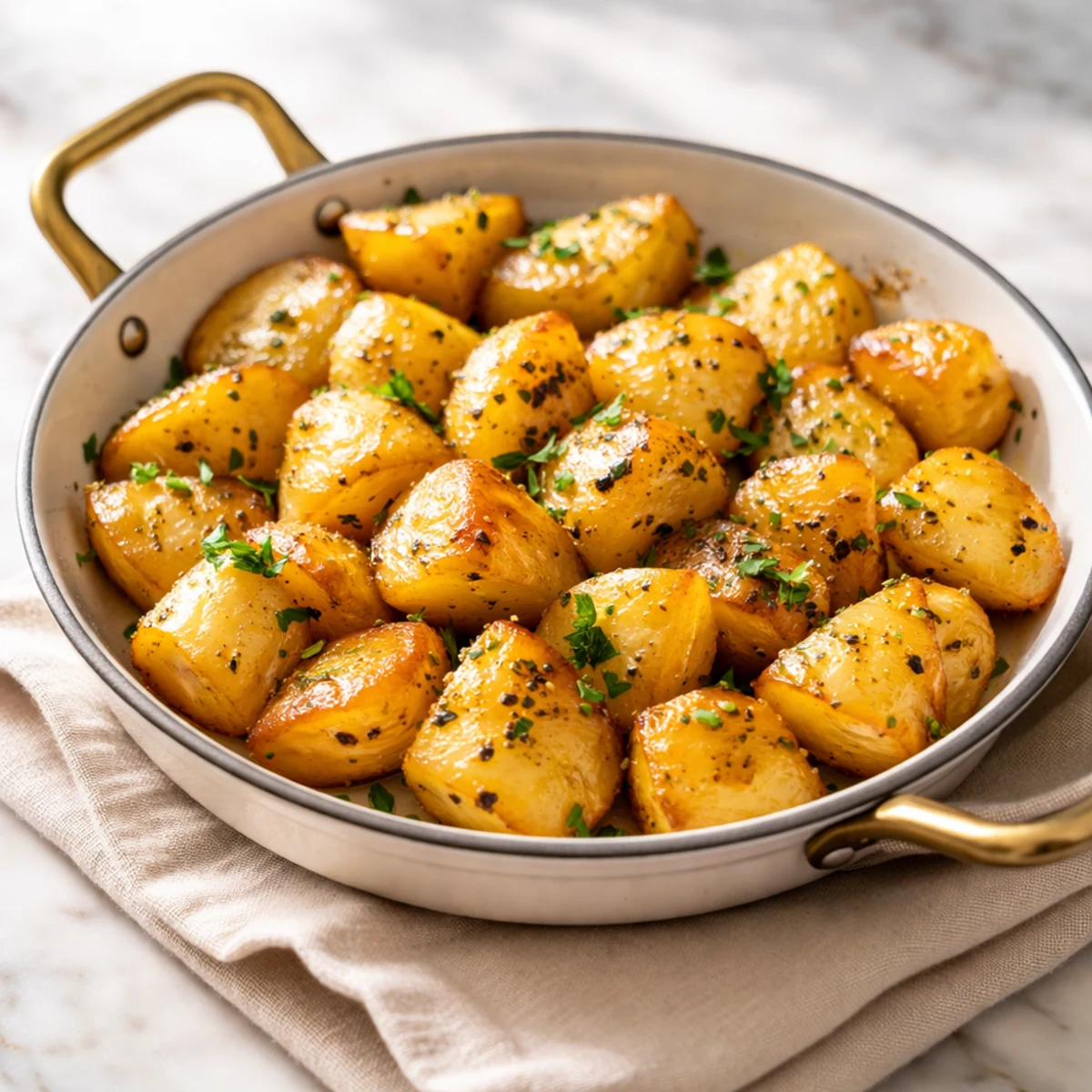
Sautéed potatoes are proof that simple food can still feel special. Crisp on the outside, tender in the middle, and finished with buttery richness and a shower of fresh parsley, this classic side dish has a way of stealing the spotlight from the main course. Whether you’re serving them alongside roast chicken, grilled steak, or a weeknight omelet, sautéed potatoes bring comfort and polish to the table in equal measure.
For home cooks in the United States, this is also one of those wonderfully flexible dishes that invites a thoughtful wine pairing. Because the potatoes are buttery and salty rather than heavily spiced, they open the door to wines with bright acidity, subtle oak, or just enough texture to echo the dish’s richness. If you’ve ever wondered what wine goes with sautéed potatoes, the answer depends on how you season them and what else is on the plate—but there are several excellent options that make a perfect match. In this recipe, we’ll explore not only how to make sautéed potatoes beautifully, but also how to choose the best wine for sautéed potatoes with confidence.
About This Dish
Sautéed potatoes may look humble, but they sit at the heart of a cooking tradition that values technique over complexity. At their core, they’re about transformation: a simple potato becomes something golden, fragrant, and deeply satisfying when cooked properly in butter or oil over steady heat. That contrast—crisp exterior, soft interior—is what makes the dish so appealing.
Across many cuisines, potatoes have long played the role of the dependable side dish, but sautéed potatoes in particular are beloved for their versatility. In European cooking, they often appear next to roasted meats, fish, and vegetables, sometimes enriched with herbs, garlic, or shallots. In American kitchens, they’ve become a go-to for brunch, holiday spreads, and casual dinners because they’re easy to prepare and feel a little more elegant than plain boiled potatoes.
What makes sautéed potatoes especially special is their balance. They’re rich but not heavy, savory but not overpowering, and familiar yet adaptable. That balance is also what makes them such a great candidate for wine pairing. A dish that is buttery and salty, but not intensely spicy or acidic, gives wine room to shine. The right bottle can lift the dish, refresh the palate, and turn an everyday side into a memorable part of the meal.
Key Ingredients & Their Role
The beauty of sautéed potatoes lies in a short ingredient list that delivers a lot of flavor. Each component has a clear job to do, and when they come together, the result is far greater than the sum of its parts.
Potatoes are the backbone of the dish. Choose a waxy or all-purpose variety if you want pieces that hold their shape well during cooking. Their mild flavor acts like a blank canvas, absorbing butter and seasoning while still offering enough natural sweetness and earthiness to keep things interesting. When sautéed properly, the edges caramelize slightly, adding a delicate nutty note.
Butter brings richness, gloss, and that unmistakable comforting aroma. It helps the potatoes brown, deepens the flavor, and gives the dish its silky finish. Because butter adds body and fat, it also influences wine pairing: you’ll want a wine with enough acidity to cut through the richness and keep each bite feeling fresh.
Parsley may seem like a finishing touch, but it does important work. Its clean, grassy brightness lifts the dish and keeps the flavors from feeling too heavy. Fresh herbs are especially helpful when thinking about wine recommendation choices, because they often pair well with wines that also have herbal, mineral, or citrus-driven notes.
Salt is the quiet hero here. Since the dish is intentionally savory and salty, the best wine for sautéed potatoes should be balanced rather than overly sweet or heavily tannic. High acidity, moderate body, and subtle oak are all qualities to look for in a wine pairing that feels natural and food-friendly.
Recipe
Sautéed Potatoes Recipe
Prep Time: 10 minutes Cook Time: 25 minutes Total Time: 35 minutes Servings: 4 Difficulty: Easy
Ingredients
- 1 1/2 pounds potatoes, peeled or unpeeled, cut into 1-inch cubes
- 3 tablespoons butter
- 1 tablespoon olive oil
- 1 teaspoon kosher salt, plus more to taste
- 1/2 teaspoon black pepper
- 2 tablespoons fresh parsley, chopped
Instructions
- Place the potatoes in a pot of salted water and bring to a boil. Cook for 6–8 minutes, just until the edges begin to soften but the centers are still firm.
- Drain the potatoes well and let them steam dry for 2 minutes.
- Heat the butter and olive oil in a large skillet over medium heat.
- Add the potatoes in a single layer. Cook undisturbed for 3–4 minutes to develop a golden crust.
- Toss or turn the potatoes and continue cooking for 10–12 minutes, stirring occasionally, until crisp and browned on several sides.
- Season with salt and black pepper.
- Remove from heat and finish with chopped parsley.
- Serve immediately while hot and crisp.
Nutrition Facts
Per serving:
- Calories: 210
- Fat: 9g
- Saturated Fat: 4.5g
- Carbohydrates: 30g
- Protein: 3g
- Fiber: 3g
- Sodium: 320mg
Dietary Information
- Vegetarian
- Gluten-free
- Nut-free
- Contains dairy
Perfect Wine Pairings
The best wine pairing for sautéed potatoes depends on the balance of butter, salt, and herbs. Because this dish is rich but not deeply savory like a mushroom ragout or heavily spiced like a curry, you want wines that refresh the palate without overwhelming the food. Think bright acidity, moderate alcohol, and a texture that can stand up to butter without turning the meal into a heavy experience.
1. Oregon Pinot Noir
A light to medium-bodied Oregon Pinot Noir is one of the most reliable choices if you’re looking for a red wine recommendation. Its red cherry fruit, subtle earthiness, and lively acidity make it a great partner for the crispy edges and buttery center of sautéed potatoes. It’s especially good if you’re serving the potatoes with chicken, salmon, or roasted mushrooms. Look for bottles in the $20–30 range at Total Wine, Trader Joe’s, or local wine shops.
2. California Chardonnay
A balanced California Chardonnay from Sonoma or Napa can be a perfect match, especially if it leans more toward citrus, apple, and gentle oak rather than heavy toast or butter overload. The wine’s round texture mirrors the dish’s richness, while its acidity keeps things from feeling flat. This is a smart wine for sautéed potatoes when the meal includes roast chicken, pork, or creamy sauces. Many solid options are available at grocery stores and BevMo for around $15–25.
3. Washington State Riesling
If you prefer white wine, an off-dry or dry Riesling from Washington State is an excellent wine pairing choice. Riesling’s acidity cuts through butter beautifully, and its fruit notes bring a refreshing contrast to the salty potatoes. It’s a particularly good option if the potatoes are served with sausage, ham, or anything with a touch of sweetness in the glaze or sauce. Trader Joe’s and Total Wine often carry approachable bottles in the $15–20 range.
4. Spanish Albariño
Albariño is a fantastic food wine for this dish. Its citrus, peach, and saline character bring brightness and lift, making it a natural fit for buttery potatoes with parsley. This is one of the best wines if you want something crisp, modern, and easy to love. Spanish imports are widely available in the U.S., and you can often find good value bottles at local wine shops and Total Wine for $15–25.
If you want the simplest rule for a wine pairing with sautéed potatoes, choose a wine that has enough acidity to refresh the palate and enough body to stand up to butter. Gastrona can help you narrow down the perfect match based on the rest of your menu, whether you’re shopping at Trader Joe’s, Total Wine, or your neighborhood wine shop.
Cooking Tips & Techniques
The secret to great sautéed potatoes is managing moisture and heat. After boiling, make sure the potatoes are well drained and allowed to steam dry. Excess water is the enemy of crispness, and if the potatoes go into the pan damp, they’re more likely to steam than brown. That small drying step makes a huge difference.
Use a large skillet so the potatoes have room to make contact with the pan. Crowding leads to soft, pale potatoes instead of golden ones. A combination of butter and olive oil works well because the oil raises the smoke point while the butter adds flavor. If you use only butter, keep the heat moderate so it doesn’t burn.
Another key technique is patience. Let the potatoes sit undisturbed long enough to form a crust before stirring. Too much movement can break them apart and prevent browning. For extra flavor, you can add a smashed garlic clove or a few thyme leaves, but keep the seasoning restrained if you want the wine pairing to stay elegant and balanced.
Finally, taste before serving. Potatoes need enough salt to wake up their flavor, especially when paired with wine. Well-seasoned potatoes make every sip more enjoyable and help the dish feel complete.
Serving Suggestions
Sautéed potatoes are at their best when served hot, glossy, and just crisp enough to make a little sound when you spoon them onto the plate. A sprinkle of extra parsley right before serving adds color and freshness, while a shallow bowl or warm platter keeps the potatoes inviting at the table.
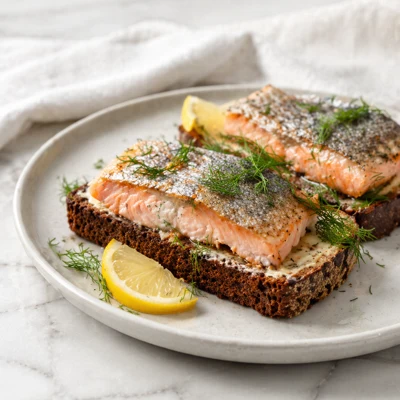
For a classic American dinner, serve them with roast chicken, grilled steak, baked salmon, or pork tenderloin. They also work beautifully at brunch alongside eggs, smoked salmon, and fruit salad. If you’re building a more wine-focused meal, pair them with simple roasted vegetables and a bright salad so the potatoes remain the comforting centerpiece of the plate.
Presentation matters, even for a humble side. A drizzle of melted butter or a final crack of black pepper can make the dish feel restaurant-worthy. If you’re opening wine, chill whites slightly and serve reds lightly cool for the freshest experience. That little bit of care turns a straightforward recipe into something that feels polished and memorable.
Conclusion
Sautéed potatoes may be simple, but they have the kind of flavor and texture that reward thoughtful cooking—and thoughtful wine pairing. With their buttery richness, salty finish, and crisp golden edges, they’re a natural canvas for wines that bring brightness, balance, and character to the table.
Whether you reach for Oregon Pinot Noir, California Chardonnay, Washington Riesling, or Spanish Albariño, the right bottle can turn this easy recipe into a true perfect match. If you’re still deciding what wine goes with sautéed potatoes, Gastrona makes it easy to explore wine recommendation ideas that fit your taste, budget, and menu. Try the recipe, pour something you love, and enjoy how a simple side dish can become the star of the meal.