

Introduction
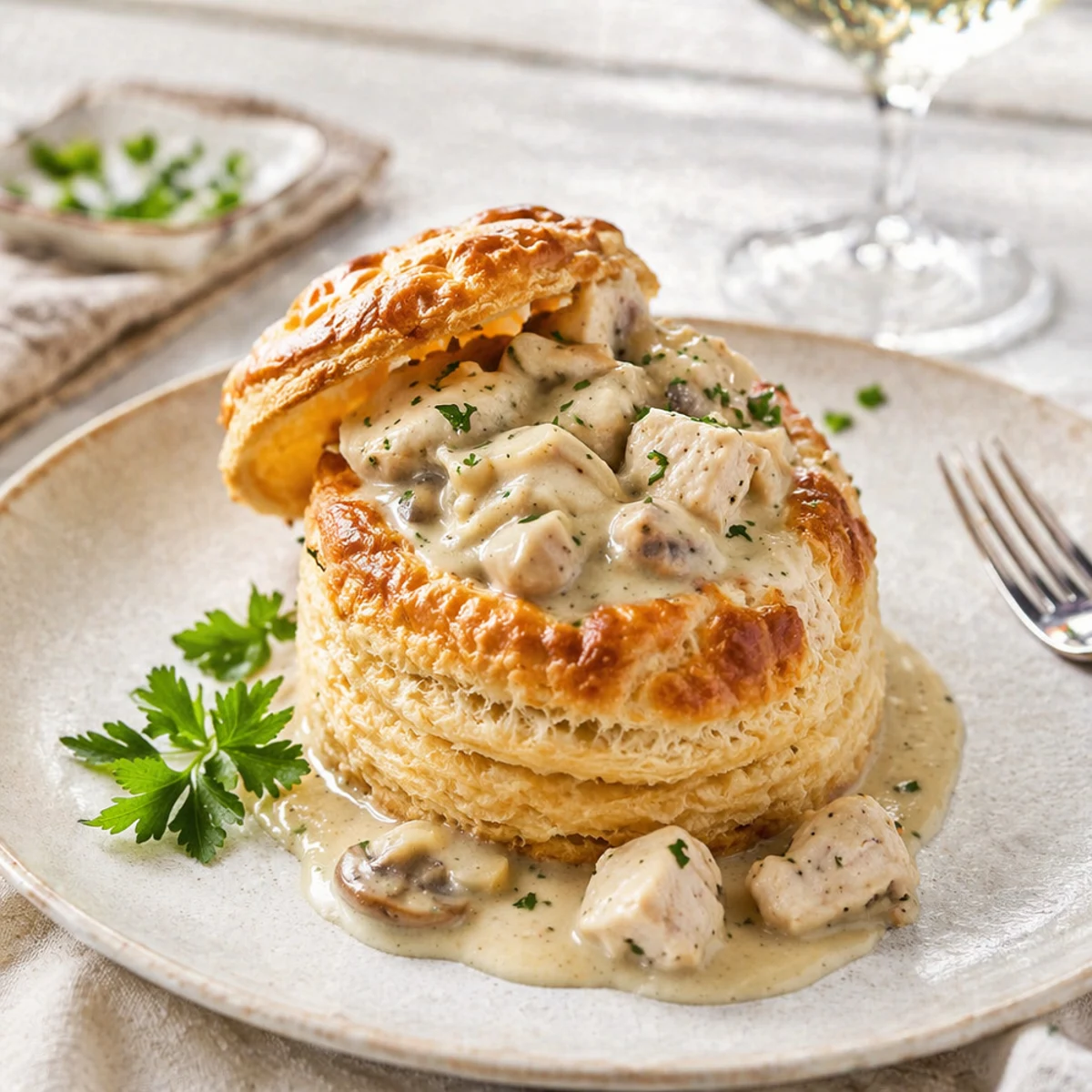
Bouchée au Riesling is the kind of dish that makes a table feel instantly more refined without being fussy. Delicate puff pastry, tender chicken, and a silky Riesling cream sauce come together in a bite-sized French classic that feels both comforting and elegant. If you love dishes that balance richness with freshness, this is a recipe worth adding to your regular rotation.
For home cooks in the United States, Bouchée au Riesling also offers something especially appealing: it is approachable, impressive, and a natural conversation starter when planning a dinner party. The creamy filling and buttery pastry invite a thoughtful wine pairing, and that is where the fun really begins. A well-chosen Riesling can echo the dish’s fruitiness, cut through the richness, and lift every bite. Whether you are searching for the best wine for Bouchée au Riesling or simply want a reliable wine pairing that feels special, this dish delivers a beautiful balance of flavor and style.
About This Dish
Bouchée au Riesling is rooted in the culinary traditions of eastern France, where the influence of both French and German food culture has long shaped the table. The dish name itself gives away one of its defining features: Riesling, the aromatic white wine that brings brightness, floral notes, and a gentle fruit character to the sauce. “Bouchée” refers to a small bite or mouthful, which is why this dish is often presented in elegant pastry shells that hold a creamy chicken filling.
What makes Bouchée au Riesling so special is its balance. It is luxurious, but not heavy. It is savory, but softened by the wine’s natural acidity and fruit. The sauce typically leans creamy, with mushrooms or aromatics sometimes added for depth, while the puff pastry provides crisp contrast. That combination creates the kind of layered flavor profile wine lovers appreciate: butter, cream, poultry, and a subtle sweetness from the wine.
In French home cooking and bistro culture, dishes like this are valued for being festive without requiring a celebration. They feel suitable for a Sunday lunch, a holiday spread, or an intimate dinner with friends. For American cooks, it fits beautifully into today’s interest in classic European recipes that still feel accessible. If you enjoy dishes like steak with chips for their comforting sophistication, Bouchée au Riesling offers a similar sense of occasion, but with a lighter, more fragrant profile.
Key Ingredients & Their Role
The heart of Bouchée au Riesling lies in a short list of ingredients that each play a very specific role. Puff pastry is the foundation of the dish’s texture. When baked, it becomes golden, flaky, and crisp, creating a shell that contrasts beautifully with the creamy filling. Because puff pastry is rich and buttery, it needs a filling with enough acidity and aromatic lift to keep the dish from feeling too dense.
Chicken provides the savory core. Its mild flavor makes it an ideal canvas for the Riesling sauce, absorbing the wine’s brightness while still offering enough substance to make the dish satisfying. Boneless chicken breast or thigh can both work, though thigh tends to bring a little more richness and tenderness.
Riesling is the ingredient that defines the dish. In cooking, it adds fragrance, fruit, and acidity, helping to build a sauce that tastes lively rather than flat. In the finished dish, the wine’s character should be present but balanced—more a graceful thread than a loud statement. Cream rounds out the sauce, adding body and a velvety texture. Depending on the recipe, mushrooms, shallots, or herbs may also appear, deepening the savory notes and adding earthiness.
From a wine pairing standpoint, these ingredients point toward wines with freshness, moderate body, and enough aromatic detail to match the sauce. You want acidity to cut through the cream, but also enough fruit to harmonize with the Riesling in the recipe. That is why off-dry and dry Rieslings often shine here, and why sparkling options can be especially appealing. If you enjoy exploring flavor balance in dishes like peach and burrata salad, this recipe offers a similarly elegant interplay of richness and brightness.
Recipe
Bouchée au Riesling Recipe
Prep Time: 25 minutes Cook Time: 35 minutes Total Time: 1 hour Servings: 4 Difficulty: Intermediate Cuisine: French Dietary Information: Contains dairy, gluten, and poultry
Ingredients
- 1 sheet puff pastry, thawed
- 1 egg, beaten, for egg wash
- 1 tablespoon butter
- 1 small shallot, finely chopped
- 8 oz chicken breast, cut into small bite-size pieces
- 1 cup dry Riesling
- 1/2 cup chicken stock
- 3/4 cup heavy cream
- 1 teaspoon Dijon mustard
- 1 cup sliced mushrooms
- 1 tablespoon all-purpose flour
- 1 teaspoon fresh thyme leaves, optional
- Salt, to taste
- Black pepper, to taste
- 1 teaspoon lemon juice, optional
Instructions
- Preheat the oven to 400°F (200°C). Line a baking sheet with parchment paper.
- Prepare the puff pastry. Cut the pastry into 4 equal squares or rounds, depending on your preferred presentation. Score a smaller border around each piece without cutting all the way through. Brush lightly with egg wash.
- Bake the pastry shells for 15 to 18 minutes, or until puffed and golden. Set aside.
- Cook the filling. In a skillet over medium heat, melt the butter. Add the shallot and mushrooms and cook until softened, about 4 minutes.
- Add the chicken and cook until lightly browned on the outside. Sprinkle with flour and stir to coat.
- Pour in the Riesling and chicken stock. Simmer for 5 to 7 minutes, allowing the sauce to reduce slightly.
- Stir in the cream and Dijon mustard. Cook gently until the sauce is smooth and lightly thickened. Season with salt, pepper, thyme, and lemon juice if using.
- Assemble the bouchées. Spoon the chicken mixture into the baked puff pastry shells.
- Serve immediately while the pastry is crisp and the filling is hot and fragrant.
Nutrition Facts per Serving
- Calories: 520
- Protein: 22g
- Fat: 34g
- Carbohydrates: 30g
- Fiber: 2g
- Sugar: 4g
- Sodium: 620mg
Perfect Wine Pairings
Bouchée au Riesling is a dream pairing dish because it already contains wine in the sauce. The key is to choose a bottle that complements the dish’s creamy texture and aromatic, lightly fruity profile without overwhelming it. In general, look for wines with bright acidity, moderate alcohol, and enough fruit to echo the sauce. Crisp whites work best, but there is room for a little sparkle or a more textured style depending on your preference.
The most natural match is a Riesling, especially one that is dry to off-dry. That is why Wolfer Goldgrube Riesling Sekt Brut by Louis Klein stands out so strongly. Its sparkling structure and 94/100 match score suggest it can refresh the palate between bites while highlighting the dish’s delicate richness. If you want a celebratory feel, this is an excellent choice and should be relatively easy to locate through specialty retailers like Total Wine or select local wine shops, typically in the $15–30 range.
For a still wine option, Piesporter Michelsberg Riesling by Konrad Hähn and Riesling Reserve by Jean Biecher are both smart picks. Their Riesling character brings citrus, orchard fruit, and enough lift to keep the cream sauce lively. These wines work especially well if you want a balanced, food-friendly bottle that feels accessible and value-driven in the U.S. market.
If you prefer a more expressive, slightly sweeter style, Scharzhofberger Riesling Spätlese by Egon Müller-Scharzhof offers depth and finesse. Its 92/100 match score suggests a beautiful pairing where the wine’s fruit concentration mirrors the sauce’s richness. For shoppers who want a French option, Riesling Alsace by Trimbach is a dependable, widely admired style that should be easy to find at BevMo, Trader Joe’s, or local wine merchants. Alsace Riesling is often a particularly strong fit for creamy poultry dishes because it brings precision and savory nuance.
One non-Riesling option also deserves mention: Puligny-Montrachet 1er Cru Hameau De Blagny by Olivier Leflaive. As a Chardonnay, it offers a more luxurious, rounded pairing with a different texture profile. Choose this if you want a richer, more layered experience. For most readers, though, the best wine for Bouchée au Riesling will still be a Riesling from Germany or Alsace, because it mirrors the dish’s core flavors and keeps the pairing harmonious.
Cooking Tips & Techniques
The biggest secret to a successful Bouchée au Riesling is managing texture. Puff pastry should always be baked separately or at least handled carefully so it stays crisp. If the filling sits too long inside the pastry before serving, the bottom can soften quickly. For that reason, prepare the filling first, then assemble just before serving.
When reducing the wine sauce, keep the heat moderate. A hard boil can make the cream separate or flatten the wine’s delicate aroma. You want the sauce to simmer gently so the Riesling retains its freshness while the cream thickens naturally. If the sauce tastes too sharp, let it reduce a little longer. If it feels too rich, a small splash of lemon juice can brighten it.
Another useful tip is to season in layers. Add a little salt when cooking the shallots and chicken, then adjust again after the cream goes in. This helps the final dish taste complete rather than one-note. If you are using mushrooms, cook them long enough to release their moisture and develop a little color; that extra browning adds depth.
Finally, think about the wine you cook with. Use a bottle you would genuinely enjoy drinking, because the flavor concentrates as the sauce reduces. This is one reason wine lovers often search for a Bouchée au Riesling wine pairing before cooking: the dish and the bottle should feel like partners, not afterthoughts.
Serving Suggestions
Bouchée au Riesling is best served hot, with the pastry still crisp and the filling glossy and fragrant. For presentation, place each pastry shell on a warm plate and spoon any extra sauce around—not over—the pastry if you want to preserve the texture. A small scatter of fresh thyme or chopped parsley adds color and a fresh herbal note.
Because the dish is creamy and rich, it pairs well with simple sides. A green salad with a sharp vinaigrette, buttered haricots verts, or lightly steamed asparagus all work beautifully. If you want to build a more complete French-inspired menu, start with a crisp salad and finish with a light dessert rather than anything too sweet or heavy.
For wine service, chill white wines properly but not excessively. A slightly cool serving temperature helps Riesling show its aromatics and keeps the pairing lively. If you are hosting, set the mood with relaxed, elegant tableware and a bottle opened just before the meal. That is the kind of setting where Bouchée au Riesling really shines: polished enough for guests, easy enough for a weeknight reward.
Frequently Asked Questions
What wine goes with Bouchée au Riesling?
A dry or off-dry Riesling is the best answer for what wine goes with Bouchée au Riesling. Look for bright acidity, citrus, orchard fruit, and a clean finish. Sparkling Riesling, especially a Brut style, is also excellent because it refreshes the palate and complements the creamy sauce.
Is Bouchée au Riesling a good wine pairing dish?
Yes, Bouchée au Riesling is one of those dishes that naturally invites a wine pairing. The sauce already includes Riesling, so the flavors are easy to echo in the glass. The dish’s creaminess needs acidity, and Riesling provides exactly that balance.
What is the best wine for Bouchée au Riesling in the United States?
The best wine for Bouchée au Riesling in the United States is usually a Riesling from Germany or Alsace. These wines are widely available at Total Wine, Trader Joe’s, BevMo, and local wine shops, often in the $15–30 range. They offer value, freshness, and strong food-pairing versatility.
Can I use Chardonnay instead of Riesling for this pairing?
Yes, Chardonnay can work if you prefer a rounder, more buttery style. A Burgundy or restrained California Chardonnay can complement the cream sauce, though it will not mirror the dish as closely as Riesling. If you want the most classic and harmonious match, Riesling is still the winner.
Should the wine be dry or sweet with Bouchée au Riesling?
Dry to off-dry usually works best. A touch of sweetness can soften the cream and chicken, but too much sweetness may make the dish feel heavy. The goal is balance: enough fruit to match the sauce, enough acidity to keep each bite fresh.
Where can I find a good Bouchée au Riesling wine pairing bottle?
In the U.S., start with Total Wine, Trader Joe’s, BevMo, or a trusted local wine shop. Look for German Mosel Riesling, Alsace Riesling, or a sparkling Riesling in the $15–30 range. Gastrona can help you compare styles and discover the pairing that fits your taste.
Conclusion
Bouchée au Riesling is proof that elegant French cooking can still feel completely approachable at home. With its flaky pastry, tender chicken, and creamy wine sauce, it delivers comfort and sophistication in every bite. Best of all, it opens the door to one of the most rewarding wine pairing experiences you can have with a poultry dish.
Whether you choose a sparkling Mosel Riesling, a crisp Alsace bottle, or a textured Chardonnay, the right wine will make the dish shine even brighter. If you are looking for your next memorable dinner, try this recipe, pour a thoughtful glass, and let Gastrona guide you toward the perfect match.