

Introduction
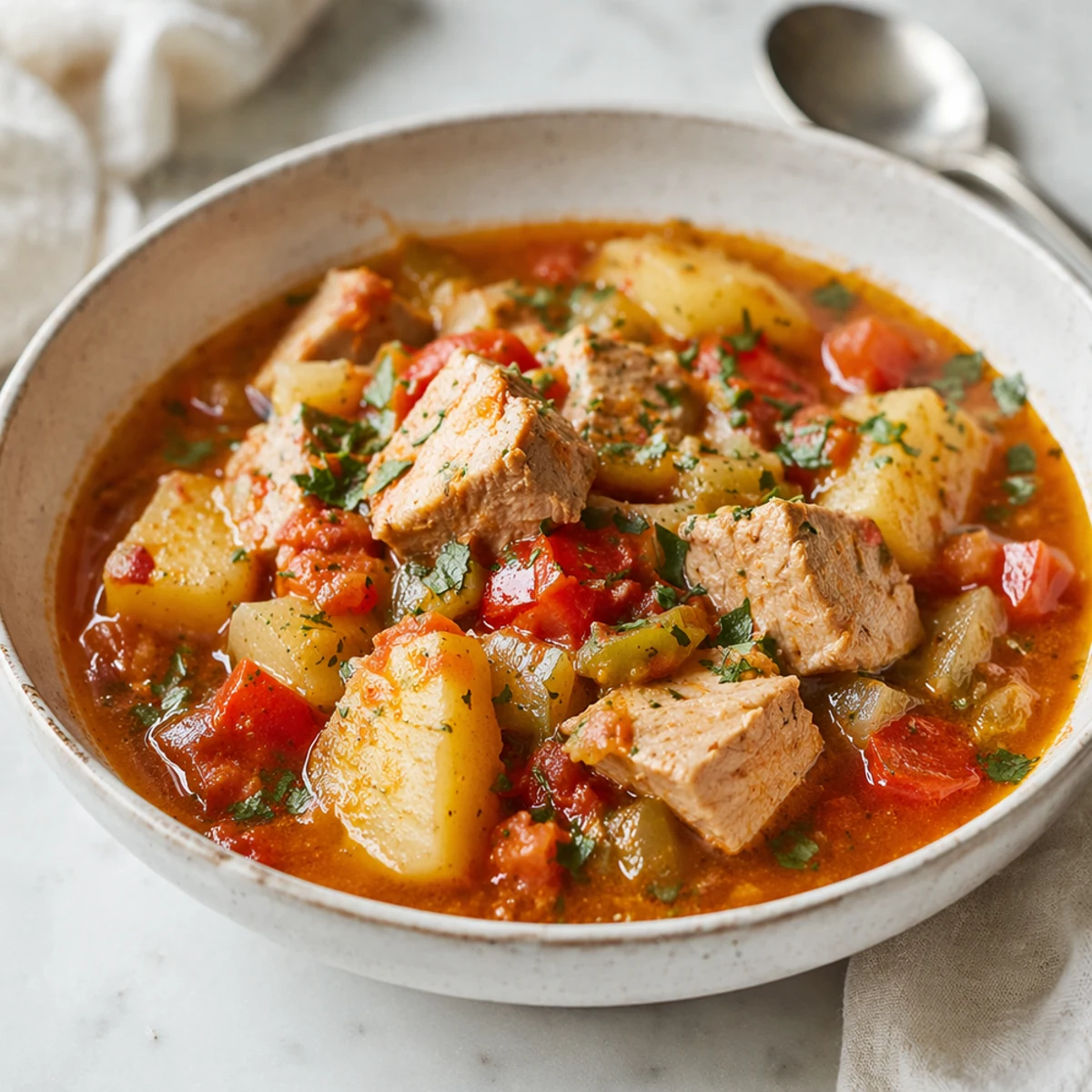
Marmitako is the kind of dish that feels both rustic and quietly luxurious: tender tuna, silky potatoes, sweet green pepper, and a savory broth that tastes like the sea meeting a farmhouse kitchen. If you’re looking for a wine pairing that can stand up to its salty, umami-rich character without overwhelming it, you’re in the right place. This classic Basque stew is a wonderful wine for Marmitako because it offers enough depth for red wines with freshness, but also enough brightness to work with lighter, mineral-driven styles.
In the United States, where home cooks love dishes that are comforting, culturally rich, and easy to share, Marmitako is a standout. It’s soulful but approachable, and it rewards a thoughtful bottle at the table. Whether you’re shopping at Total Wine, Trader Joe’s, BevMo, or your favorite local shop, there are plenty of accessible options in the $15–30 range. The right bottle can turn this simple recipe into a memorable dinner, and the right wine recommendation can make the whole meal feel like a perfect match.
About This Dish
Marmitako comes from the Basque Country, a region long associated with fishing, coastal cooking, and deeply satisfying everyday food. The dish was originally a humble tuna stew made by fishermen aboard their boats, using ingredients that held up well at sea: potatoes, peppers, onions, tomatoes, and tuna. That practical origin is part of its charm. Marmitako is not about fuss; it’s about coaxing big flavor from a few honest ingredients.
What makes Marmitako special is the way it balances comfort and intensity. The potatoes absorb the savory broth and become creamy without falling apart. The peppers and tomatoes bring sweetness and acidity. The tuna is added at the end so it stays tender and meaty rather than dry. The result is a stew that tastes layered, clean, and deeply satisfying all at once.
For American home cooks, Marmitako also fits beautifully into modern food culture. It’s naturally gluten-free, dairy-free, and nut-free, and it feels both familiar and a little adventurous. It’s the kind of dish that sparks conversation—especially when served with the right glass. If you enjoy exploring regional dishes, you may also like pairing ideas from our guide to veal scaloppine al limone recipe or using a bright side dish like asparagus salad to round out a seafood-focused menu.
Key Ingredients & Their Role
At the heart of Marmitako are three ingredients that define its identity: tuna, potatoes, and green pepper. Each one plays a very specific role, and together they create the stew’s signature salty, umami-rich profile.
Fresh tuna brings structure, richness, and a clean oceanic flavor. Unlike long-simmered meats, tuna needs just a few minutes in the pot, which keeps the texture delicate and prevents the flavor from turning muddy. That short cooking time is one reason wine pairing matters so much here: you want a wine that complements the tuna without clashing with its freshness.
Waxy potatoes are essential because they hold their shape while absorbing the broth. They thicken the stew naturally and give each spoonful a satisfying, almost buttery bite. Their starch also softens the edges of the wine, so a bottle with good acidity is especially useful.
Green bell pepper adds freshness, grassy notes, and a subtle bitterness that keeps the dish from feeling heavy. Onion, garlic, and tomato build the aromatic base, while olive oil gives the stew body and a Mediterranean feel. Fish stock deepens the savory character, and a little guindilla chili, if you choose to use it, adds warmth rather than heat.
From a wine perspective, Marmitako benefits from bottles with moderate body, lively acidity, and enough fruit to support the tomato base. Tannins should be smooth, not aggressive. That’s why Spanish reds, especially those with savory spice and aged complexity, are such a natural wine recommendation. If you like learning how ingredients shape the glass, you may also enjoy our pairing approach in pasta al ragù for another deeply savory dish.
Recipe
Marmitako Recipe
Prep Time: 40 minutes Cook Time: 10 minutes Total Time: 50 minutes Servings: 4 Difficulty: Moderate
Ingredients
- 400 g Fresh tuna
- 600 g Potatoes (waxy variety)
- 1 large Green bell pepper
- 1 large Onion
- 3 medium Tomatoes
- 3 Garlic cloves
- 4 cups (or 2 fish stock cubes dissolved in water) Fish stock
- 4 tbsp Olive oil
- 1 small (optional) Dried chili (guindilla)
- to taste Salt
- to taste Ground black pepper
Instructions
- Start with the mise-en-place. Peel and chop the onion finely. Deseed and chop the green bell pepper into thin strips. Mince the garlic cloves. Peel and cut the potatoes into bite-sized chunks. Dice the tomatoes finely. Cut the fresh tuna into large cubes and set aside.
- Heat the olive oil in a large pot over medium heat. Once hot, add the onion and sauté for 5–7 minutes until it softens and turns translucent.
- Add the minced garlic and the green bell pepper strips to the pot. Sauté for another 5 minutes, stirring frequently.
- Stir in the diced tomatoes and cook for 10 minutes, stirring occasionally, until the mixture becomes a thick, aromatic base.
- Add the potatoes to the pot and stir well to coat them with the tomato and vegetable mixture.
- Pour in the fish stock (or the water with stock cubes). Bring to a boil, then reduce the heat to low-medium and let it simmer for 20 minutes, or until the potatoes are tender but not falling apart.
- Add the dried chili (guindilla) if desired, for a slight heat. Season the mixture with salt and black pepper to taste.
- Once the potatoes are cooked through, gently add the tuna cubes to the pot, taking care not to overcrowd them. Simmer for 3–5 minutes until the tuna is cooked through but still tender.
- Taste and adjust the seasoning if needed. Remove the chili if you used one.
- Serve the marmitako hot in deep bowls, ensuring that each portion has a good mix of tuna, potato, and vegetables. Garnish optionally with a sprinkle of fresh parsley.
Nutrition Facts (per serving)
- Calories: 320 kcal
- Protein: 28.0g
- Fat: 14.0g
- Carbohydrates: 32.0g
- Salt: 2.0g
Dietary Information
Gluten-free, Dairy-free, Nut-free
Perfect Wine Pairings
Marmitako’s savory broth, tomato richness, and tender tuna call for wines with freshness, balance, and enough personality to match the stew’s coastal depth. The best wine pairing choices are usually medium-bodied reds with bright acidity and moderate tannins, or structured bottles with earthy spice and red-fruit lift. Because the dish has both seafood delicacy and stew-like comfort, the goal is harmony rather than power.
The strongest verified match is Les Sorts Sycar by Celler Masroig from Montsant, Spain. With Syrah/Shiraz and Carignan/Cariñena, it brings dark fruit, spice, and a savory edge that fits Marmitako’s umami profile well. Its 70/100 match score suggests it’s a very solid wine for Marmitako, especially if you want something Spanish, food-friendly, and easy to find at major retailers or local wine shops in the U.S. In the $15–30 range, this is exactly the kind of bottle that feels accessible but still special.
Another excellent option is Lat 42 Rioja Gran Reserva by La Rioja Alta from Rioja, Spain. Built on Tempranillo, Mazuelo, and Garnacha, it offers aged complexity, polished tannins, and savory depth. Rioja’s earthy, elegant style is a natural partner for tuna stew, and the 68/100 match score supports that instinct. If you like a more refined, classic feel, this is a strong wine recommendation.
For a richer, softer style, Appassimento by Il Capolavoro from Puglia, Italy can work nicely. Its Primitivo-led blend brings ripe fruit and roundness that can complement the tomato base and olive oil in the stew. With a 62/100 match score, it’s a more flexible, fruit-forward choice rather than the most traditional one, but it can be a good perfect match for diners who prefer plush reds.
If you’re shopping in the U.S., look for these styles at Total Wine, Trader Joe’s, BevMo, and neighborhood wine shops. You can also explore California reds with moderate oak, Oregon Pinot Noir, or Washington State Syrah for similar balance—just aim for freshness, savory character, and soft tannins rather than heavy extraction. For a broader guide to styles that work with seafood and tomato-based dishes, Gastrona can help you discover your own ideal wine pairing.
Cooking Tips & Techniques
The biggest secret to great Marmitako is timing. Tuna cooks quickly, so resist the urge to add it too early. If it simmers too long, it will become dry and stringy, and the whole dish loses its elegance. Add the fish only after the potatoes are tender, then give it just a few minutes to finish gently.
Use waxy potatoes rather than floury ones. They hold their shape better and give the stew a more appealing texture. If you use potatoes that break down too much, the broth can become heavy and muddy instead of silky.
Build the flavor base patiently. Let the onion soften fully, and give the tomatoes enough time to reduce into a thick, fragrant sauce. That step is where the stew gains depth. If the base tastes flat, the final dish will too.
Season carefully because fish stock can already be salty. Taste before adding extra salt, then adjust at the end. A small pinch of black pepper and optional guindilla chili is usually enough to sharpen the flavors without overpowering them.
For wine lovers, this is also where pairing begins: the cleaner and more balanced your stew, the easier it is to find a wine recommendation that feels like a natural perfect match.
Serving Suggestions
Serve Marmitako hot in deep bowls so the broth stays warm and every spoonful captures tuna, potato, and vegetables together. A drizzle of good olive oil and a little chopped parsley can brighten the presentation without distracting from the stew’s rustic character.
For a simple meal, pair it with crusty bread or a green salad dressed with lemon and olive oil. If you want a more complete dinner, add a light starter and keep the focus on the stew and wine. In warm weather, Marmitako can feel surprisingly elegant served with a slightly chilled red or a lively, medium-bodied bottle.
This is the kind of dish that works well for casual entertaining because it feels generous and relaxed, yet still thoughtful. Set the table with a beautiful bottle, let the stew breathe for a minute before serving, and enjoy the conversation that follows. That’s the charm of a great wine pairing: it makes a comforting meal feel like an occasion.
Frequently Asked Questions
What wine goes with Marmitako?
The best wine with Marmitako is usually a medium-bodied red with fresh acidity and soft tannins. Spanish wines like Rioja or Montsant are especially good because they echo the dish’s savory, coastal character. For U.S. shoppers, look for balanced bottles in the $15–30 range at Total Wine, Trader Joe’s, or local wine shops.
Is red or white wine better with Marmitako?
Red wine is usually the safer and more satisfying choice because Marmitako has tuna, tomato, and a rich broth. A white wine can work if it has enough texture and acidity, but a light-to-medium red often feels like the better wine pairing. Think freshness, not heaviness.
What is the best wine for Marmitako if I like Spanish wines?
If you enjoy Spanish wine, Les Sorts Sycar by Celler Masroig and Lat 42 Rioja Gran Reserva by La Rioja Alta are both excellent options. They bring savory spice, earthy depth, and enough structure to match the stew without overpowering it. They’re strong choices if you want an authentic-feeling wine for Marmitako.
Can I pair Marmitako with Pinot Noir?
Yes, a lighter Pinot Noir can work well, especially one from Oregon with bright acidity and earthy notes. Choose a style that is not too oaky or sweet. The goal is a graceful wine recommendation that supports the tuna and potatoes rather than masking them.
What side dishes work best with Marmitako and wine?
Keep sides simple: crusty bread, a green salad, or lightly dressed vegetables are ideal. You want accompaniments that don’t compete with the stew or the wine. If you’re planning a fuller menu, pair it with something bright and fresh so the meal stays balanced.
How spicy is Marmitako, and does that affect the wine pairing?
Marmitako is usually mild, though the optional guindilla adds a gentle heat. Because the spice level is low, you can choose a wider range of wines. Just avoid very tannic or overly alcoholic bottles, since those can feel harsher with chili and broth-based dishes.
Conclusion
Marmitako is proof that simple ingredients can create a deeply satisfying meal when handled with care. Its tuna, potatoes, and green pepper deliver comfort, freshness, and umami in every bite, making it a rewarding dish to cook at home. Just as importantly, it offers a flexible and exciting wine pairing opportunity.
Whether you choose a savory Rioja, a spicy Montsant red, or another balanced bottle from your local retailer, the right glass can make this Basque classic shine. Use Gastrona to explore more wine recommendation ideas, compare styles, and find your own perfect match. Once you try Marmitako with the right wine, it may just become one of your favorite go-to dinners.