


Introduction
Strozzapreti with Tomato Sauce is one of those dishes that feels simple at first glance, then surprises you with how deeply satisfying it is. Twisty, hand-shaped pasta catches every bit of bright tomato sauce, while basil brings a fragrant, almost peppery lift that makes each bite feel fresh and alive. It’s the kind of meal that works just as well on a busy weeknight as it does for a relaxed dinner with friends.
For anyone searching for the best wine pairing, this is a dish with real range. The acidity of tomato, the savory depth of the sauce, and the herbal notes of basil create a natural opening for wines with freshness, balance, and enough character to stand up to the plate without overpowering it. That makes Strozzapreti with Tomato Sauce a perfect match for several styles of wine, from Italian classics to value-driven bottles from California and beyond. If you’ve ever wondered what wine goes with Strozzapreti with Tomato Sauce, you’re in the right place.
About This Dish
Strozzapreti is a pasta shape with roots in central and southern Italy, especially Emilia-Romagna and nearby regions where rustic, handmade pasta traditions run deep. The name itself is colorful and memorable, and like many Italian dishes, it carries a bit of local folklore and a lot of culinary personality. What makes strozzapreti special is its twisted, irregular shape. Those little spirals and curves are not just charming; they’re practical, too. They hold sauce beautifully, making every forkful more flavorful.
Tomato sauce is one of the great pillars of Italian cooking, and when it meets strozzapreti, the result is comfort food with elegance. In this recipe, the sauce stays bright and clean, letting the sweetness and acidity of the tomatoes shine. Basil adds freshness, aroma, and a classic Italian finish that keeps the dish from feeling heavy.
In American food culture, this is exactly the kind of pasta that resonates: familiar enough to be approachable, but special enough to feel like a treat. It’s also a wonderful canvas for wine. Because the dish is built around acidity, herbs, and umami, the wine pairing can go in several directions. That flexibility is part of the appeal, especially for home cooks looking for an easy, reliable recipe with serious dinner-party potential.
Key Ingredients & Their Role
The beauty of Strozzapreti with Tomato Sauce lies in its restraint. There aren’t many ingredients, so each one matters. The pasta is the foundation: strozzapreti has a chewy, springy texture that gives the dish body and helps it feel substantial. Its ridges and twists trap sauce in all the right places, which means you get more flavor in every bite.
Tomatoes are the heart of the sauce. They bring acidity, natural sweetness, and that deep, savory umami note that makes tomato-based pasta so satisfying. Whether you use high-quality canned tomatoes or ripe fresh ones when they’re in season, the goal is the same: a sauce that tastes vibrant, not flat. A good tomato sauce should feel balanced, with enough brightness to wake up the palate.
Basil is the aromatic bridge. It adds freshness, a gentle sweetness, and a green herbal note that cuts through the richness of the pasta. Basil also matters for wine pairing because it nudges the dish toward wines with lively acidity and aromatic lift. That is one reason why Barbera, Chianti, and even certain Rieslings can work so well: they mirror the dish’s freshness while complementing its savory depth.
If you enjoy dishes like ossobuco with creamy polenta or pasta al ragù, you’ll recognize the same Italian principle at work here: simple ingredients, carefully balanced, with wine as part of the experience rather than an afterthought.
Recipe
Strozzapreti with Tomato Sauce
Prep Time: 10 minutes Cook Time: 25 minutes Total Time: 35 minutes Servings: 4 Difficulty: Easy
Ingredients
- 12 oz strozzapreti pasta
- 2 tbsp extra-virgin olive oil
- 3 cloves garlic, thinly sliced
- 1 can (28 oz) crushed tomatoes
- 1 tsp kosher salt, plus more to taste
- 1/2 tsp black pepper
- 1/4 tsp red pepper flakes, optional
- 1 tsp sugar, optional, if tomatoes are very acidic
- 1/2 cup fresh basil leaves, torn
- 1/4 cup grated Parmesan cheese, plus more for serving
- 2 tbsp reserved pasta water, as needed
Instructions
- Bring a large pot of salted water to a boil. Cook the strozzapreti until al dente according to package directions. Reserve 1/2 cup of pasta water, then drain.
- Meanwhile, heat olive oil in a large skillet over medium heat. Add the sliced garlic and cook for 30 to 45 seconds, just until fragrant.
- Pour in the crushed tomatoes, then season with salt, black pepper, and red pepper flakes if using. Stir well.
- Simmer the sauce for 15 to 20 minutes, stirring occasionally, until slightly thickened and glossy. Add sugar only if needed to soften sharp acidity.
- Add the cooked pasta to the skillet and toss to coat. If the sauce seems too thick, add a splash of reserved pasta water.
- Remove from the heat and fold in the basil and Parmesan.
- Serve immediately with extra Parmesan and a drizzle of olive oil, if desired.
Nutrition Facts
Per serving, approximate:
- Calories: 410
- Protein: 13g
- Carbohydrates: 62g
- Fat: 13g
- Saturated Fat: 3g
- Fiber: 5g
- Sugar: 8g
- Sodium: 620mg
Dietary Information
- Vegetarian
- Can be made vegan by omitting Parmesan or using a plant-based alternative
- Contains gluten and dairy unless modified
Perfect Wine Pairings
When it comes to Strozzapreti with Tomato Sauce wine pairing, the key is balance. Tomato sauce brings acidity, so the wine needs enough freshness to keep up. At the same time, the sauce’s umami and basil call for wines with good fruit, moderate body, and a smooth finish. You generally want to avoid overly tannic reds, which can taste harsh alongside tomato, and overly oaky wines, which can overwhelm the dish.
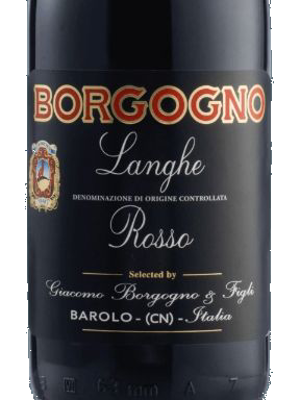
The verified pairing data points strongly toward Barbera as a standout choice. Silenzio Barbera by Pietro di Campo and Barbera by San Silvestro, both from Piemonte, each score 83/100, making them the strongest matches here. Barbera is a natural perfect match for tomato-based pasta because it has bright acidity, juicy red fruit, and soft tannins. In the U.S., you can often find Barbera through Total Wine, BevMo, local wine shops, and sometimes specialty sections at grocery stores, usually in the $15–30 range.
Another excellent option is Dirmsteiner Kalkmergel Riesling by Jesuiten Hof from Pfalz, Germany, with a 82/100 match score. A dry or off-dry Riesling can be surprisingly good with tomato sauce because its acidity mirrors the dish while its aromatics add lift. If you enjoy a fresher, lighter pairing, this is a smart wine recommendation.
For a more classic Italian red, Chianti Classico Vigneto Gran Selezione San Lorenzo by Castello di Ama scores 80/100. Sangiovese is famous for its acidity and savory edge, which makes it a great fit for tomato and basil. If you want something a little richer, Antinori Tignanello offers a more structured, modern style, though at 74/100 it is less ideal than the Barbera and Chianti options.
If you prefer looking by style rather than bottle, choose a medium-bodied red with bright acidity, red cherry fruit, and restrained tannins. Wines from Piedmont, Tuscany, Sonoma, and Oregon are especially worth exploring for this dish. Gastrona can help you compare these styles quickly and find the best wine for Strozzapreti with Tomato Sauce based on what’s actually available near you.
Cooking Tips & Techniques
The biggest secret to great Strozzapreti with Tomato Sauce is to keep the sauce lively. Simmer it long enough to develop flavor, but not so long that it turns dull or overly sweet. You want the tomatoes to taste fresh and vibrant. If the sauce tastes sharp, adjust it gently with a pinch of sugar rather than drowning it in herbs or cheese.
Don’t overcook the pasta. Strozzapreti should have a pleasant bite, because a soft, mushy texture can make the whole dish feel flat. Always reserve some pasta water. The starch helps emulsify the sauce and gives it a silky texture that clings to the pasta.
Another common mistake is using too much garlic or too much heat. Garlic should perfume the oil, not brown aggressively. Basil should be added at the end so it stays green and fragrant. If you add it too early, it can lose its fresh character.
For wine pairing, think about the sauce first. Tomato acidity is the guide. If you’re serving a red, keep tannins moderate. If you’re serving white, make sure it has enough structure and brightness to hold its own. That’s why so many people find this dish to be a gateway into more thoughtful wine pairing: it teaches balance in a very delicious way.
Serving Suggestions
Serve Strozzapreti with Tomato Sauce in warm bowls so the pasta stays glossy and inviting. Finish with torn basil, a little Parmesan, and a drizzle of good olive oil for extra aroma. If you want a more substantial meal, add a simple green salad with lemon vinaigrette or roasted vegetables on the side.
For a casual dinner, pair it with crusty bread and a bottle opened 20 to 30 minutes before serving. For a more polished table, set out a few wine glasses and let guests compare a Barbera and a Chianti Classico to see how the dish changes with each wine. That kind of tasting experience is exactly what makes home dining feel special.
Frequently Asked Questions
What wine goes with Strozzapreti with Tomato Sauce?
The best wine with Strozzapreti with Tomato Sauce is usually a high-acid red like Barbera or Chianti Classico. Both complement tomato sauce without fighting its acidity. If you prefer white wine, a dry Riesling can also work beautifully because it brings freshness and lift to the dish.
Is Barbera a good wine pairing for tomato pasta?
Yes, Barbera is one of the best wine pairing choices for tomato pasta. It has bright acidity, juicy fruit, and soft tannins, which makes it especially friendly with tomato sauce. That balance is why Barbera is often a perfect match for dishes like Strozzapreti with Tomato Sauce.
Can I drink white wine with Strozzapreti with Tomato Sauce?
Absolutely. A dry Riesling is a smart choice if you want white wine with Strozzapreti with Tomato Sauce. Its crisp acidity matches the tomato sauce, while its aromatic profile adds freshness. Look for a style that is dry to off-dry so it doesn’t feel too sweet with the dish.
What is the best wine for Strozzapreti with Tomato Sauce on a budget?
For value, look for Barbera, Chianti Classico, or dry Riesling in the $15–30 range. These styles are widely available at Total Wine, Trader Joe’s, BevMo, local wine shops, and many grocery stores. They offer excellent quality without pushing the price too high.
Why does tomato sauce need a special wine pairing?
Tomato sauce is acidic and savory, so it can make low-acid wines taste flat or heavy. A good wine pairing needs enough brightness to match the sauce and enough fruit to soften the acidity. That’s why wines like Barbera, Sangiovese, and Riesling work so well.
What makes Strozzapreti with Tomato Sauce a perfect match for wine?
The dish has a clean, balanced flavor profile: umami from the tomatoes, freshness from the basil, and a satisfying texture from the pasta. That combination gives wine room to shine. It’s a perfect match for wines with lively acidity, moderate body, and a smooth finish.
Conclusion
Strozzapreti with Tomato Sauce proves that simple food can still feel elegant, especially when you pair it with the right wine. The dish is fresh, savory, and deeply comforting, making it a natural favorite for weeknights, dinner parties, and everything in between. With the right wine pairing, it becomes more than a pasta dinner — it becomes an experience.
Whether you reach for Barbera, Chianti Classico, or a bright Riesling, the goal is the same: find a wine that lifts the tomato, respects the basil, and makes every bite taste even better. Use Gastrona to explore your own wine recommendation options and discover the perfect match for your table. Once you do, this recipe may just become your new go-to Italian classic.