

Introduction
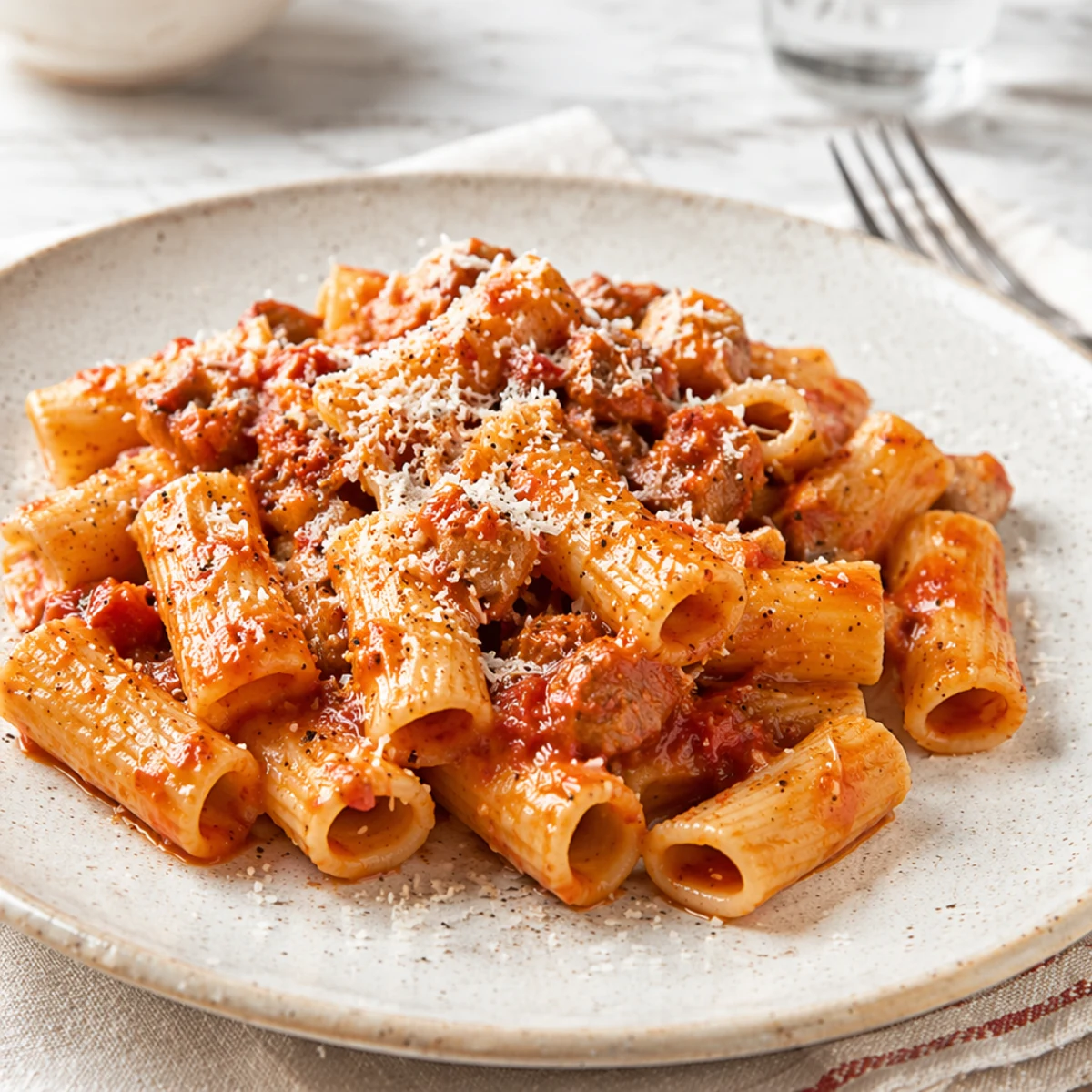
Rigatoni with Pajata Roman Style is one of those deeply traditional dishes that tells a story the moment it hits the table. Rustic, soulful, and unapologetically bold, it captures the kind of Roman cooking that turns humble ingredients into something unforgettable. The sauce is rich with tomato, layered with savory depth, and built for pasta shapes that can hold onto every bit of flavor. If you love dishes with character, this is a recipe worth exploring.
For wine lovers, Rigatoni with Pajata Roman Style opens the door to a very satisfying wine pairing experience. Its umami-rich profile and salty intensity call for wines with enough acidity, structure, and fruit to keep the dish balanced. That makes it especially appealing for anyone searching for a wine recommendation that feels both authentic and accessible. Whether you are planning a special dinner or simply want to bring a little Roman energy into your kitchen, this is the kind of meal that rewards thoughtful pairing—and Gastrona makes that discovery easier than ever.
About This Dish
Rigatoni with Pajata Roman Style belongs to the proud tradition of Roman cucina povera, the resourceful cooking style that transformed modest ingredients into dishes with remarkable personality. Roman pasta dishes are often defined by restraint rather than excess: a short ingredient list, sharp technique, and an emphasis on flavor clarity. In that context, pajata stands out as one of the city’s most distinctive and historic ingredients.
Pajata is a deeply traditional preparation associated with Roman offal cookery, and while it may be unfamiliar to many American home cooks, it reflects a cuisine that values intensity, thrift, and identity. The dish is usually paired with a tomato-based sauce that softens and rounds its savory edge, while rigatoni provides the ideal shape for catching and holding the sauce. The result is hearty, textured, and intensely satisfying.
What makes this dish special is not just its flavor, but its sense of place. It is unmistakably Roman—bold, direct, and built around ingredients that deliver maximum character. For modern diners in the United States, it can feel both adventurous and grounded: a dish that invites curiosity while still delivering the comfort and warmth pasta lovers crave. If you enjoy exploring regional Italian cooking, you may also appreciate strozzapreti with tomato sauce as another example of how simple pasta and sauce can become something memorable.
Key Ingredients & Their Role
At the heart of this Rigatoni with Pajata Roman Style recipe are three core elements: rigatoni, pajata, and tomato. Each plays a distinct role, and together they create the dish’s signature savory balance.
Rigatoni is the perfect pasta shape here. Its tubular form and ridged exterior are designed to trap sauce, making every bite deeply flavorful. In a dish with a rich, savory profile, rigatoni provides both structure and satisfaction. It also stands up well to robust sauces, which is essential when you want the pasta to remain the star rather than disappearing into the background.
Pajata brings the dish its unmistakable Roman identity. Its flavor is intensely savory, with a depth that reads as both rustic and luxurious. Because it carries such a strong personality, it benefits from a sauce that supports rather than overwhelms it. That is where tomato comes in.
Tomato adds brightness, acidity, and a touch of sweetness that balances the dish’s richness. It helps soften the intensity of the pajata and creates a more complete, layered flavor profile. The tomato also matters from a wine pairing perspective: its acidity means you need a wine with enough freshness to avoid tasting flat.
The overall taste profile is umami and salty, which is exactly why this dish works so well with medium-bodied red wines that have lively acidity and moderate tannins. You want a wine that can refresh the palate while still matching the dish’s savory depth. Think of it as a conversation between richness and lift. For readers interested in other classic Italian comfort foods, pasta e fagioli offers another beautiful example of how beans, pasta, and seasoning can create satisfying depth with simple ingredients.
Recipe
Rigatoni with Pajata Roman Style
Prep time: 20 minutes Cook time: 1 hour 15 minutes Total time: 1 hour 35 minutes Servings: 4 Difficulty: Intermediate
Ingredients
- 1 lb rigatoni
- 1 lb pajata, cleaned and prepared
- 2 tbsp olive oil
- 1 small onion, finely chopped
- 2 cloves garlic, minced
- 1/2 cup dry white wine
- 2 cups tomato passata or crushed tomatoes
- 1/2 tsp red pepper flakes, optional
- Salt, to taste
- Freshly ground black pepper, to taste
- 1/4 cup grated Pecorino Romano, plus more for serving
- Fresh parsley, chopped, for garnish
Instructions
- Bring a large pot of salted water to a boil.
- Heat the olive oil in a large pan over medium heat. Add the onion and cook until soft and translucent, about 5 minutes.
- Add the garlic and cook for 30 seconds, just until fragrant.
- Add the pajata and cook, stirring occasionally, until lightly browned and beginning to release its flavor.
- Pour in the white wine and let it simmer until mostly reduced.
- Stir in the tomato passata and red pepper flakes, if using. Lower the heat and simmer gently for 45 to 60 minutes, stirring occasionally, until the sauce is rich and cohesive.
- Meanwhile, cook the rigatoni until al dente. Reserve 1 cup of pasta water before draining.
- Add the rigatoni to the sauce and toss well, adding a splash of pasta water if needed to loosen the texture.
- Stir in the Pecorino Romano and season with salt and black pepper to taste.
- Serve immediately, topped with extra cheese and chopped parsley.
Nutrition Facts
Per serving, approximate:
- Calories: 680
- Protein: 28g
- Carbohydrates: 72g
- Fat: 28g
- Saturated Fat: 8g
- Fiber: 5g
- Sodium: 980mg
Dietary Information
- Contains gluten
- Contains dairy
- Not vegetarian
- Not vegan
- High in protein
- Rich, savory pasta dish
Perfect Wine Pairings
The best wine pairing for Rigatoni with Pajata Roman Style needs to respect the dish’s umami depth, salty edge, and tomato brightness. That means looking for red wines with energetic acidity, medium body, and enough fruit to complement the savory richness without overpowering it. In the United States, this is also a dish where value matters: you can find excellent bottles at Total Wine, Trader Joe’s, BevMo, and local wine shops in the $15–30 range.
The strongest verified match is Bricco dell'Uccellone Barbera d'Asti by Braida with a match score of 88/100. Barbera is a natural fit because it brings bright acidity, juicy fruit, and a supple texture that works beautifully with tomato-based sauces. It is the kind of wine that keeps the palate lively and makes each bite feel fresh.
Another excellent option is Roncale Sangiovese Superiore by Azienda Agricola San Patrignano, scored at 84/100. Sangiovese is one of the most reliable wines for Roman-style pasta because of its cherry-driven fruit, savory undertones, and food-friendly acidity. It matches the dish’s structure while echoing its Italian roots.
Pèppoli Chianti Classico by Antinori is also a smart choice, with an 82/100 score. Chianti Classico typically offers a balance of acidity, earth, and red fruit that makes it a strong wine recommendation for rich pasta dishes. If you want a classic Italian table wine that feels familiar and versatile, this is a perfect match.
For a slightly different expression, Montepulciano d'Abruzzo by Emidio Pepe also scored 82/100. Montepulciano often brings darker fruit and a rounder mouthfeel, which can be appealing if you want a softer, more generous pairing. Poggio Le Volpi Roma Rosso is another worthy choice at 79/100, especially because its blend of Montepulciano, Syrah, and Cesanese offers depth and regional character.
If you are shopping in the U.S., prioritize Italian bottles first, but don’t overlook California or Oregon reds with bright acidity and moderate tannins. A lighter Sonoma or Willamette Valley red can work well if it leans fresh rather than oaky. Gastrona can help you compare styles and find the wine for Rigatoni with Pajata Roman Style that best suits your table.
Cooking Tips & Techniques
The secret to this recipe is patience. Pajata needs time to develop its full flavor, and the tomato sauce should simmer gently rather than boil aggressively. Slow cooking helps the savory notes meld into something rounder and more cohesive. If the sauce looks too thick, use reserved pasta water to loosen it gradually; that starchy water helps the sauce cling to the rigatoni.
One common mistake is over-seasoning too early. Because this dish already has a naturally salty, intense profile, it is best to season in stages and taste as you go. The Pecorino Romano adds another layer of saltiness, so keep that in mind before reaching for the salt shaker.
Another key point is pasta texture. Rigatoni should be cooked al dente so it can hold up to the sauce without becoming mushy. Tossing the pasta directly in the pan for the final minute or two helps the flavors come together and gives you a more integrated result.
For wine pairing success, remember that dishes with strong umami can make wines taste softer than expected. That is why you want wines with lively acidity and moderate tannins. Too much oak or too much alcohol can make the pairing feel heavy. The goal is balance: a wine that refreshes, not one that competes.
Serving Suggestions
Serve Rigatoni with Pajata Roman Style in warm bowls so the sauce stays silky and inviting. A final shower of Pecorino Romano and a little chopped parsley add freshness and color, while a simple table setting lets the dish’s rustic elegance shine. This is not a meal that needs fuss; it needs confidence.
For a complete dinner, pair it with a crisp green salad dressed lightly with olive oil and lemon, or with sautéed bitter greens to echo the Roman spirit of the dish. A loaf of crusty bread is also welcome for mopping up the sauce. If you are planning a wine-focused evening, serve the bottle slightly below room temperature so the acidity stays bright and the fruit remains lively.
This is the kind of dish that feels best in good company, whether that means a relaxed family dinner or a more curated tasting night built around a thoughtful wine pairing.
Frequently Asked Questions
What wine goes with Rigatoni with Pajata Roman Style?
The best wine with Rigatoni with Pajata Roman Style is usually a medium-bodied red with bright acidity, especially Barbera or Sangiovese. The dish’s tomato, umami, and salty character need freshness and structure. That is why wines like Barbera d'Asti and Chianti Classico are such strong choices for a balanced wine pairing.
Is Barbera a good wine for Rigatoni with Pajata Roman Style?
Yes, Barbera is one of the best options. Its lively acidity cuts through the richness of the dish, while its juicy fruit complements the tomato sauce. The verified match score for Bricco dell'Uccellone Barbera d'Asti shows why Barbera is such a reliable perfect match for this Roman classic.
Can I serve Chianti Classico with this recipe?
Absolutely. Chianti Classico works very well because Sangiovese has the acidity and savory edge needed for a dish like this. It pairs especially nicely with the tomato base and the salty, umami-driven flavor profile. If you want a classic Italian wine recommendation, Chianti Classico is a safe and satisfying choice.
What is the best budget-friendly wine recommendation in the U.S.?
Look for Italian Sangiovese, Barbera, or Montepulciano in the $15–30 range at Total Wine, Trader Joe’s, BevMo, or local wine shops. These styles are widely available and often deliver excellent value. For this recipe, freshness and balance matter more than prestige, so there are many affordable options.
Why does this dish need a wine with high acidity?
Because Rigatoni with Pajata Roman Style has tomato, salt, and deep savory flavor, a wine with high acidity keeps the pairing from feeling heavy. Acidity refreshes the palate and lifts the richness of the sauce. Without it, the wine can taste dull or flat next to the dish.
What should I look for in a perfect match for this Roman pasta?
Choose a wine with medium body, lively acidity, and moderate tannins. You want enough structure to stand up to the sauce, but not so much oak or tannin that it overwhelms the dish. Barbera, Sangiovese, Chianti Classico, and Montepulciano are all strong candidates for a perfect match.
Conclusion
Rigatoni with Pajata Roman Style is a dish for cooks and wine lovers who appreciate bold flavor and culinary tradition. Its savory depth, tomato brightness, and satisfyingly rustic character make it a memorable pasta recipe, especially when paired with the right red wine. Whether you choose a vibrant Barbera, a classic Sangiovese, or a structured Chianti Classico, the right bottle can turn dinner into a truly special experience.
If you are looking for your next wine pairing adventure, let Gastrona guide you toward the wine for Rigatoni with Pajata Roman Style that fits your taste, your budget, and your table. With the right recipe and the right wine recommendation, this Roman classic becomes a perfect match worth repeating.