

Cacio e Pepe Recipe: Why the Wine Pairing Matters
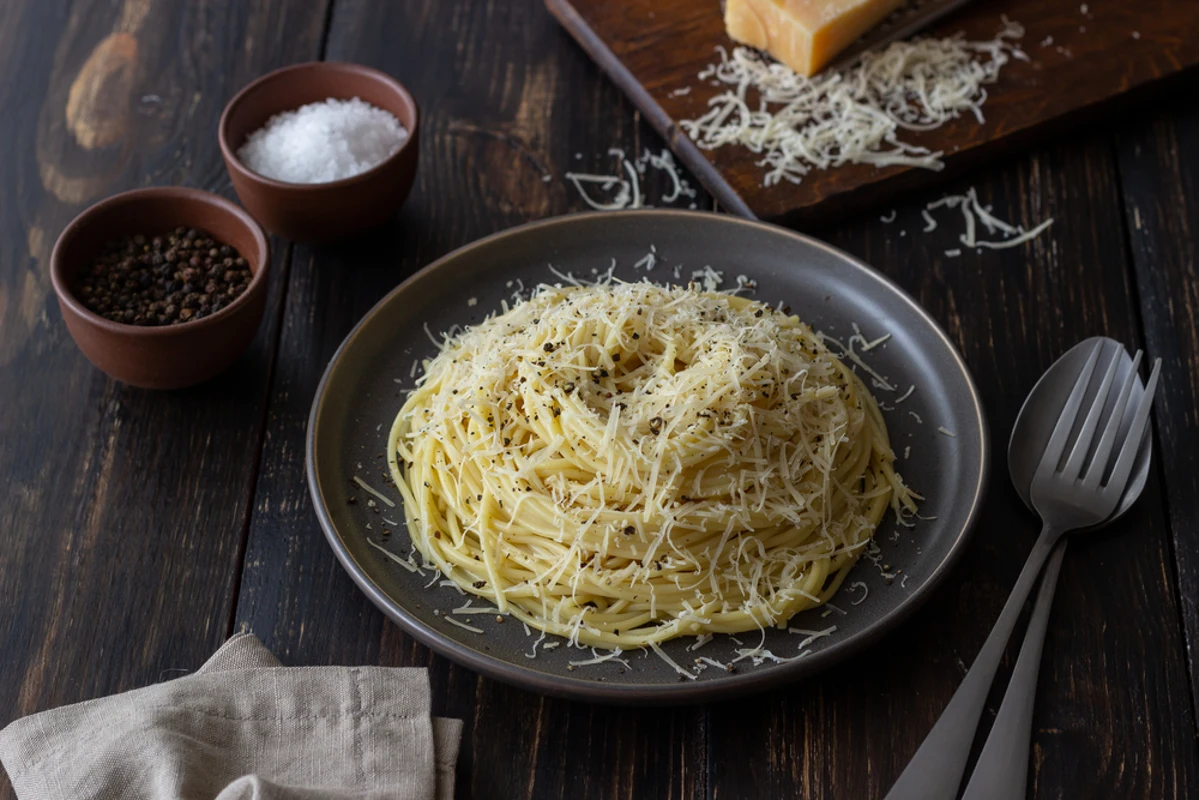
Cacio e pepe recipe searches often focus on the pasta itself, but the drink you pour beside it can make the dish feel either flat or dazzling. This Roman classic is all about contrast and balance: salty Pecorino, black pepper heat, and a silky, starchy sauce that clings to every strand of spaghetti. The best wine pairing for cacio e pepe recipe dishes needs enough acidity to refresh the palate, enough texture to stand up to the cheese, and enough restraint not to fight the pepper.
That’s why the smartest choices are crisp sparkling wines and vibrant whites with mineral drive. In a cacio e pepe recipe authentic context, the goal is not to overpower the dish but to cut through its richness and keep each bite lively. Think of wine as the reset button between forkfuls. The right bottle makes the cheese taste creamier, the pepper more aromatic, and the whole cacio e pepe recipe more satisfying from first bite to last.
Why These Pairings Work for Cacio e Pepe Recipe
Cacio e pepe is a deceptively simple dish with a very specific flavor profile: savory cheese, salt, pepper spice, and a lush, almost creamy mouthfeel. That combination creates a pairing challenge, because many wines can seem thin next to the cheese or harsh next to the pepper. The cacio e pepe recipe sweet spot is a wine with high acidity, clean fruit, and either a mineral or creamy texture.
Acidity is the most important tool here. It slices through the pecorino’s richness and keeps the palate from feeling coated. Sparkling wine adds a second advantage: bubbles lift the fat and salt, making the whole dish taste brighter. Blanc de blancs Champagne, in particular, can be excellent because Chardonnay brings freshness, citrus, and a polished texture without heavy tannin.
White wines made from Pecorino also deserve attention. Despite the name, the grape is unrelated to the cheese, but it often shows a savory, herbal, and mineral character that plays beautifully with black pepper and salty pasta. If you want to keep the cacio e pepe recipe feeling Italian and regional, this is one of the most natural matches.
For readers exploring a broader pasta-and-wine approach, wine with pesto pasta offers another good example of how herbal richness benefits from freshness and lift. The same principle applies here: balance the sauce, don’t mirror it.
Top Wine Recommendations for Cacio e Pepe Recipe
1) Vintage Champagne by Palmer & Co. — Champagne, France
This is the most complete pairing in the data and an especially elegant answer to cacio e pepe recipe cravings. The blend of Chardonnay, Pinot Noir, and Pinot Meunier gives it both structure and finesse, while the bubbles cut through the cheese and refresh the peppery finish.
2) Blanc de Blancs Brut Champagne by Charles Ellner — Champagne, France
A Chardonnay-led Champagne is a classic cacio e pepe recipe match because it brings bright acidity, citrus, and a clean mineral edge. It’s especially good if you want the dish to taste a little lighter and more lifted, rather than richer and more savory.
3) Extra Brut Champagne by Jacquesson — Champagne, France
For diners who like a drier, more precise style, this is a superb choice. The extra-brut profile keeps the wine crisp and focused, which works well against the saltiness of Pecorino and the warmth of black pepper. It’s a polished, serious pairing for a special cacio e pepe recipe night.
4) Ciù Ciù Merlettaie Offida Pecorino by Ciù Ciù — Lazio, Vatican City
This is one of the most interesting regional pairings because the Pecorino grape naturally echoes the dish’s Italian character. Its savory, textured profile and fresh acidity make it a strong match for the cheese and pepper, giving the cacio e pepe recipe a more local, food-friendly feel.
5) Pecorino by Vigneti Radica — Abruzzo, Italy
If you want a slightly more affordable still-serious Italian white, this is a smart pick. Pecorino wines often bring stone fruit, herbs, and a saline finish that works beautifully with the salty, peppery intensity of the dish. It’s a great bottle for a weeknight cacio e pepe recipe dinner.
6) Col Spago Prosecco di Valdobbiadene by Spagnol — Veneto, Italy
Prosecco is the most casual and approachable option here, and it works because freshness matters more than weight. The gentle bubbles and easy fruit keep the palate lively, especially if you want something simple, cheerful, and widely available for a cacio e pepe recipe meal.
If you’re comparing pasta pairings more broadly, wine with pizza bianca is another useful guide for salty, cheesy flavors that need acidity and lift.
Budget vs. Special Occasion
For a more affordable bottle, the Pecorino by Vigneti Radica is the best value-driven choice in the data. It offers the structure, freshness, and savory edge that cacio e pepe recipe dishes need, and it should fit comfortably into the typical U.S. sweet spot of about $15–30.
For a splurge, Vintage Champagne by Palmer & Co. is the standout. It brings depth, finesse, and enough complexity to make a simple bowl of pasta feel celebratory. If you’re planning a dinner where the cacio e pepe recipe is the star, this is the bottle that turns it into an occasion.
Frequently Asked Questions
What wine goes best with Cacio e Pepe?
The best wine with Cacio e Pepe is usually Champagne or another high-acid sparkling wine. The bubbles and acidity cut through the Pecorino’s richness and keep the black pepper from feeling sharp. A dry white like Pecorino also works very well if you want a more Italian, still-wine option.
Is white wine better than red for Cacio e Pepe?
Yes, white wine is usually the better choice. Cacio e pepe recipe flavors are salty, creamy, and peppery, which can make tannic red wines taste metallic or heavy. A crisp white or sparkling wine refreshes the palate and keeps the dish tasting bright and balanced.
Can I drink Champagne with Cacio e Pepe?
Absolutely. Champagne is one of the best pairings for cacio e pepe recipe dishes because the acidity and bubbles lift the cheese and soften the impact of the pepper. Brut or extra brut styles work especially well, since they stay dry and clean on the finish.
What is the best Italian wine for Cacio e Pepe?
A Pecorino-based white wine is a natural Italian pairing. It often has savory, mineral, and citrus notes that complement the salty cheese and black pepper in the dish. If you want the most regional-feeling pairing, this is a smart and authentic choice.
What is the best budget wine for Cacio e Pepe?
A dry Prosecco or an affordable Pecorino white is a great budget-friendly answer. Both give you freshness and enough acidity to balance the sauce. For shoppers checking cacio e pepe price and wine value together, these styles are easy to find in U.S. stores.
Conclusion
The best wine with Cacio e Pepe is one that respects the dish’s simplicity while making every bite feel brighter and more complete. Whether you choose Champagne for luxury, Pecorino for regional authenticity, or Prosecco for easy drinking, the winning formula for cacio e pepe recipe pairing is always the same: acidity, freshness, and enough texture to stand up to the cheese. Use Gastrona to explore more pairings and find the bottle that fits your table, your taste, and your version of the best cacio e pepe recipe.