

Introduction
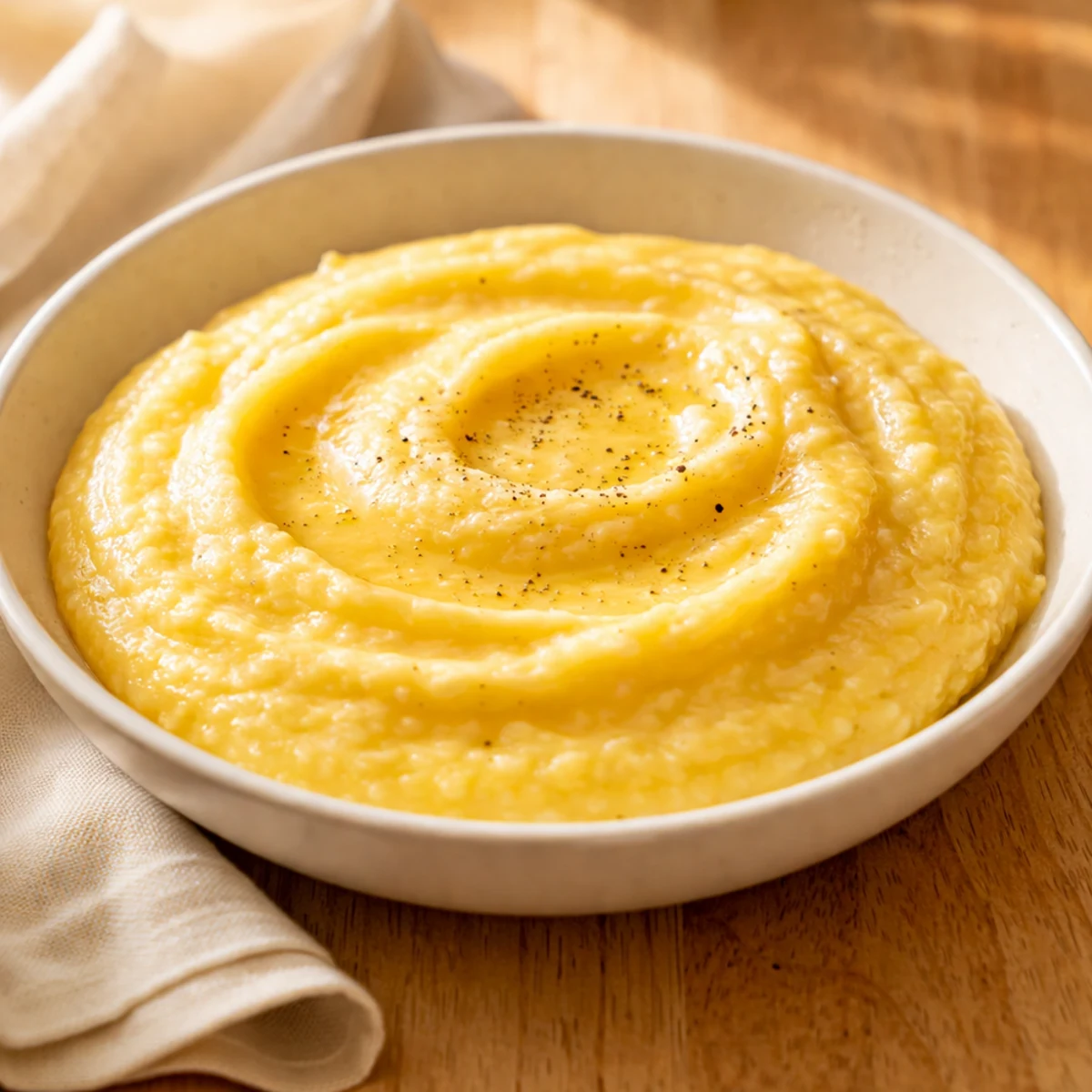
Creamy Polenta is one of those dishes that looks simple but creates a surprisingly nuanced wine pairing challenge. Its soft, spoonable texture, buttery richness, and savory Parmesan finish can make a wine taste flat if it is too lean, or harsh if it is too tannic. The best wine for Creamy Polenta is one that keeps the dish feeling luxurious while bringing enough freshness to lift each bite.
The core idea is simple: choose wines with bright acidity, moderate body, and low to medium tannin. That balance makes the polenta feel even silkier without overwhelming its delicate corn sweetness. Whether you are serving it as a comforting side or as the base for a richer main, the right bottle turns a humble dish into a memorable meal. If you enjoy exploring food and wine combinations, Gastrona makes it easy to find the perfect match for dishes like this one.
Why These Pairings Work
Creamy Polenta is all about texture and gentle flavor. Cornmeal brings subtle sweetness and a soft grainy note, while butter adds richness and Parmesan contributes salt, umami, and a savory edge. That combination asks for a wine that can refresh the palate without fighting the dish’s creaminess. A great wine recommendation will have enough acidity to cut through fat, enough fruit to complement the corn, and enough restraint to avoid dominating the subtle flavors.
White wines are often the most natural fit because they tend to offer brightness and a clean finish. Think of wines with citrus, green apple, pear, stone fruit, or mineral notes. Those flavors echo the dish’s creamy comfort while keeping the palate lively. Unoaked or lightly oaked styles are especially useful because too much oak can make the pairing feel heavy.
Red wines can work too, but the key is softness. Look for light- to medium-bodied reds with low tannin and juicy fruit, such as Pinot Noir or Grenache-based wines. High tannin reds can clash with Parmesan and make the polenta taste drier than it is. If the polenta is served with mushrooms, roasted vegetables, or braised meat, the pairing can move toward earthier reds without losing balance.
For readers who want to compare options by style, our guide to wine with gratin dauphinois is a useful reference point, since both dishes rely on creamy texture and savory richness. The same logic applies here: freshness matters as much as flavor.
Top Wine Recommendations
Because no verified bottle-level pairing data was provided, the best wine pairing choices for Creamy Polenta are based on style, grape, and region rather than specific producers. In the United States, these styles are easy to find at Total Wine, Trader Joe’s, local wine shops, and many grocery stores, usually in the $15–30 range.
1. Chardonnay from Sonoma or California Coast
A medium-bodied Chardonnay is one of the most reliable answers for wine with Creamy Polenta. Look for a style with bright acidity and restrained oak rather than a heavy, buttery version. The wine’s citrus, apple, and subtle toast notes complement the Parmesan while its freshness keeps the dish from feeling too dense.
2. Pinot Noir from Oregon
If you want a red, Oregon Pinot Noir is a smart wine recommendation. Its red cherry, cranberry, and earthy notes work beautifully with the savory side of Parmesan, while its gentle tannins stay out of the way of the creamy texture. This is an especially good choice if the polenta is served with mushrooms or roasted vegetables.
3. Vermentino from Italy or California
Vermentino is a great match when you want something crisp, savory, and slightly herbal. Its citrusy lift and saline edge cut through butter and cheese in a way that feels clean and refreshing. It is a particularly good perfect match for creamy dishes that need energy rather than extra richness.
4. Gavi or Cortese from Piedmont
Gavi offers finesse, freshness, and a subtle mineral profile that pairs elegantly with polenta. The wine’s lemony brightness and delicate stone-fruit character bring contrast to the dish without overpowering its gentle flavor. This is a strong choice for diners who prefer a more refined, food-friendly white.
5. Grenache-based red from Spain or Southern France
A Grenache-led red can be excellent if the polenta is part of a heartier plate. These wines are usually juicy, medium-bodied, and low in tannin, with ripe berry fruit and a soft finish. They add warmth and depth without making the pairing feel heavy or rustic.
6. Sauvignon Blanc from California or Loire Valley
For a brighter, more zesty option, Sauvignon Blanc is a dependable wine for Creamy Polenta. Its citrus, herb, and mineral notes provide contrast to the butter and Parmesan, especially if the polenta is served alongside herbs, greens, or seafood. Choose a style with moderate body rather than sharp, aggressive acidity.
If your meal leans more rustic or savory, you may also enjoy exploring wine with Pike Quenelles, since it shares the same need for freshness, texture, and balance.
Budget vs. Special Occasion
For a budget-friendly bottle, look for California Sauvignon Blanc, basic Sonoma Chardonnay, or a dry Italian white such as Vermentino or Gavi. These styles usually deliver the acidity and balance that Creamy Polenta needs without pushing past the typical U.S. comfort-zone price point. They are easy to find and versatile enough for a weeknight dinner.
For a special-occasion splurge, choose a more finely made Oregon Pinot Noir or a premium Sonoma Chardonnay with better texture and depth. A well-crafted bottle in either style can make the wine pairing feel more polished and layered, especially if the polenta is served with truffles, mushrooms, or braised meat. The goal is not extravagance for its own sake, but a wine with enough detail to match the dish’s silky richness.
Frequently Asked Questions
What is the best wine with Creamy Polenta?
The best wine with Creamy Polenta is usually a white with fresh acidity, such as Chardonnay, Vermentino, Gavi, or Sauvignon Blanc. These wines balance the dish’s butter and Parmesan while keeping the texture light on the palate. If you prefer red, choose a soft Pinot Noir.
Can I drink red wine with Creamy Polenta?
Yes, but keep the red wine light to medium in body and low in tannin. Oregon Pinot Noir or a Grenache-based red works well because the fruit is gentle and the tannins do not overpower the creamy texture. Big, tannic reds can make the dish taste dry.
Is Chardonnay a good wine pairing for Creamy Polenta?
Yes, Chardonnay is one of the most dependable choices for this wine pairing. A balanced style with moderate oak and bright acidity complements the butter and Parmesan without overwhelming the corn flavor. Avoid overly rich, heavily oaked versions if the dish is already very creamy.
What is the best white wine for Creamy Polenta?
Vermentino, Gavi, and Sauvignon Blanc are especially strong choices because they bring freshness and lift. They cut through richness and add contrast, which helps the dish feel lighter and more vibrant. If you want something rounder, choose a restrained Chardonnay.
Does the recipe or sauce change the wine for Creamy Polenta?
Yes. If the recipe includes mushrooms, roasted vegetables, or braised meat, you can move toward Pinot Noir or Grenache. If the polenta is simply creamy with butter and Parmesan, stick with crisp whites. The richer the topping, the more structured the wine can be.
What should I avoid with Creamy Polenta?
Avoid very tannic reds, overly sweet wines, and heavily oaked bottles that can swamp the dish. Creamy Polenta needs a wine that refreshes the palate and respects its subtle flavor. The best wine recommendation will feel balanced, not aggressive.
Conclusion
Creamy Polenta is a quietly luxurious dish, and the right wine pairing makes it shine. Whether you choose a crisp white for freshness or a silky red for depth, the best bottle will echo the dish’s comfort while lifting its richness. That balance is what turns a simple meal into a memorable one.
If you want to keep exploring the best wine for Creamy Polenta and other food pairings, Gastrona can help you discover new combinations with confidence. Use it to compare styles, find your perfect match, and make every dinner feel a little more special.