

Introduction
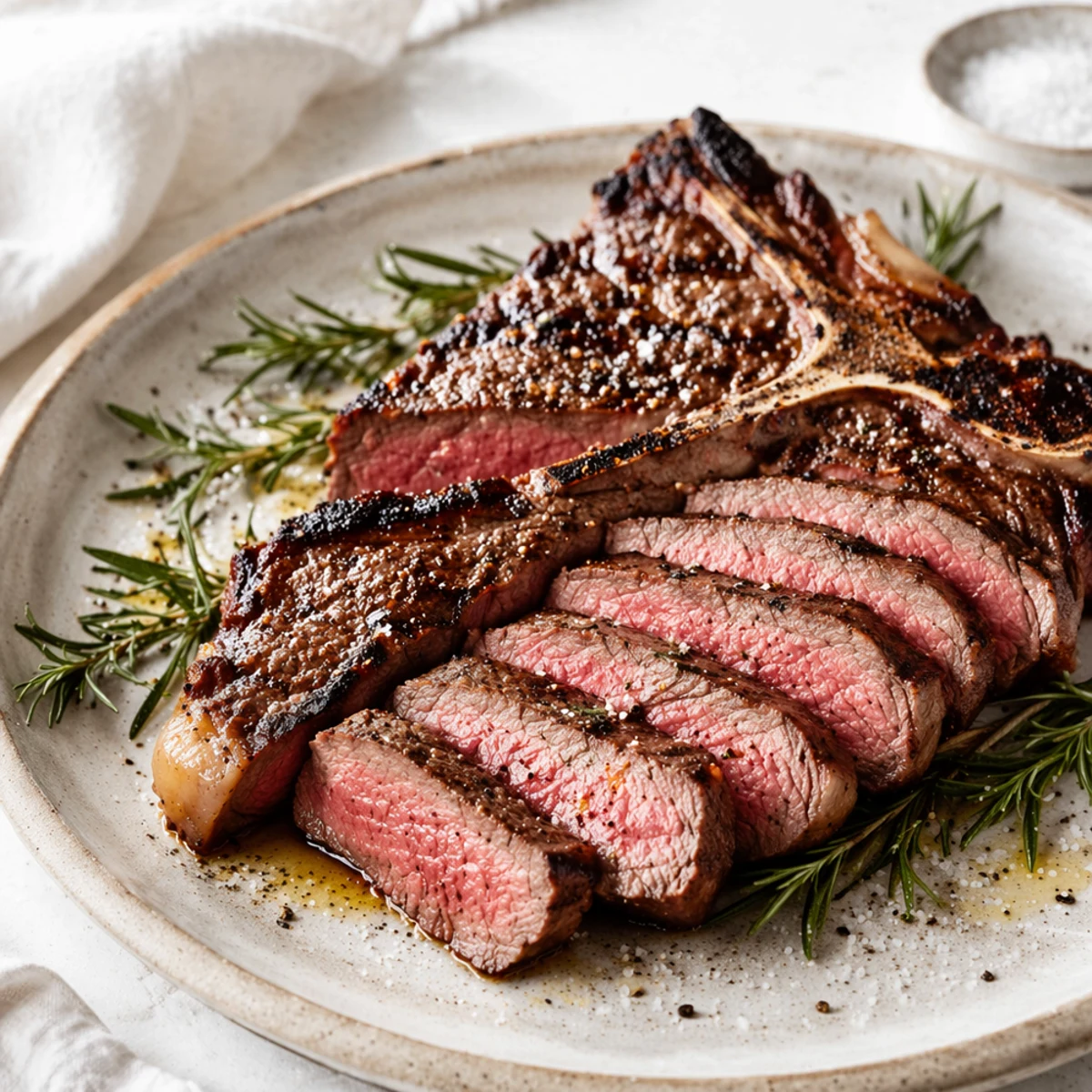
If you’re searching for the best wine with florentine steak, the good news is that this is a dish built for serious red wine. Fiorentina steak, or bistecca fiorentina, is all about intense beef flavor, a charred crust, and rich, juicy texture, so the ideal bottle needs enough structure to stand up to the meat without overwhelming it. The core pairing principle is simple: choose a wine with firm tannin, bright acidity, and deep fruit so it can cut through the steak’s fat while echoing its savory depth.
What makes florentine steak especially interesting is that it rewards both power and finesse. This is not a sauce-driven steak; the flavor comes from the beef itself, rosemary, olive oil, and fire. That means the wine has to do real work on the palate. The best matches feel balanced, mouthwatering, and a little luxurious—exactly the kind of pairing that turns a great meal into a memorable one.
Why These Pairings Work for Florentine Steak
The reason florentine steak pairs so well with structured red wine is that the dish is dense, salty, and deeply umami. Beef naturally loves tannin, because tannin binds with proteins and fat, softening the wine and making the steak taste even richer. When the meat has a charred exterior, that smoky, roasted edge also favors wines with concentration and a touch of grip.
Rosemary and extra virgin olive oil add another layer. Rosemary brings an herbal, resinous note that works beautifully with wines that have earthy or savory accents, while olive oil adds gloss and richness that call for acidity to keep the palate fresh. That’s why the best wine pairing for bistecca fiorentina usually comes from regions known for age-worthy reds: Tuscany, Piedmont, and powerful Bordeaux-style blends.
In practical terms, you want a wine that is dry, medium-full to full-bodied, and not too soft. Too much oak or sweetness can feel heavy next to the steak, while a wine that is too light will disappear. A well-chosen bottle should refresh the palate, highlight the meat’s sweetness, and leave you ready for the next bite. If you’re comparing options for a bistecca alla fiorentina recipe night at home, or ordering the dish out with friends, think of the wine as a structural partner rather than a background drink. For more ideas on rich meat dishes, you can also explore wine with steak with fries and mushroom sauce.
Top Wine Recommendations for Florentine Steak
1) Sassicaia by Tenuta San Guido, Bolgheri Sassicaia, Italy
This is the most refined, high-end match in the data, and it makes sense: Cabernet Sauvignon and Cabernet Franc bring firm tannin, dark fruit, and savory complexity that can handle the intensity of florentine steak. The wine’s structure is powerful, but its polish keeps it elegant rather than brute-force.
2) Brunello di Montalcino by Badia al Colle, Toscana, Italy
Brunello is a classic answer for bistecca fiorentina because Sangiovese offers bright acidity, earthy notes, and enough tannic backbone to support the beef. This pairing feels traditional, balanced, and deeply Tuscan—exactly what many diners want when they order a steak of this style.
3) Barolo Riserva by Rivetto, Barolo, Italy
Nebbiolo is a brilliant partner for charred beef because it combines high acidity, firm tannin, and lifted aromatics. Barolo Riserva has the depth to meet the steak’s richness, while its savory, floral edge adds sophistication to every bite of florentine steak.
4) Brunello di Montalcino by Nannetti, Brunello di Montalcino, Italy
Another strong Sangiovese-based choice, this Brunello offers a slightly different expression of the same winning logic: acidity for freshness, tannin for grip, and earthy fruit for synergy with rosemary and grilled beef. It’s a beautiful option if you want a classic wine pairing without going all the way to the top tier.
5) Valpolicella Ripasso Superiore by Casteloro, Valpolicella Ripasso, Italy
Ripasso is a smart value pick because Corvina and Rondinella deliver ripe red fruit, moderate tannin, and a fuller texture than standard Valpolicella. It’s not as muscular as Brunello or Barolo, but it still has enough weight to work with bistecca alla fiorentina while remaining more approachable.
6) Toscana by Villa Puccini, Toscana, Italy
With Merlot and Sangiovese, this Tuscan blend gives you softness, plum-like fruit, and enough structure to stay in step with the steak. It’s a versatile choice if you want something smoother and easier to find at a friendly price point, especially for a relaxed fiorentina steak recipe dinner at home.
If you enjoy exploring Italian reds beyond the obvious, Gastrona can help you compare these styles and narrow down the best bottle for your table.
Budget vs. Special Occasion
For a more affordable option, Valpolicella Ripasso Superiore by Casteloro is the easiest recommendation. It offers good depth, a satisfying texture, and enough structure for florentine steak without demanding a luxury budget. In the U.S. market, it’s the kind of bottle you may find at a good neighborhood wine shop or larger retailer.
For a special occasion, Sassicaia by Tenuta San Guido is the standout splurge. It brings the most polish, complexity, and age-worthy structure of the group, and it can make a steak dinner feel truly celebratory. If you want a more traditional but still elevated choice, Barolo Riserva by Rivetto is another memorable option for a special night.
Frequently Asked Questions
What wine goes with Florentine steak?
The best wine with florentine steak is a structured dry red with firm tannin and good acidity. Sassicaia, Brunello di Montalcino, and Barolo are all excellent because they can handle the steak’s richness, char, and savory depth without tasting flat or overly heavy.
Is Chianti a good wine pairing for Bistecca Fiorentina?
Yes, Chianti can work very well, especially if it’s a serious, structured version with bright acidity and enough tannin. The key is avoiding wines that are too light or simple. For bistecca fiorentina, you want a red that can stand up to grilled beef and rosemary.
What is the best Italian wine for Florentine steak?
Brunello di Montalcino is one of the best Italian choices for florentine steak because Sangiovese brings acidity, savory character, and enough grip for the meat. Barolo is also outstanding if you prefer a more powerful, aromatic style with extra tannic structure.
Can I drink a softer red with Florentine steak?
You can, but it should still have enough body to avoid disappearing next to the steak. A softer Tuscan blend like Toscana by Villa Puccini can work if you want a smoother, more approachable bottle. Just make sure the wine still has some freshness and structure.
What’s the best budget wine for Bistecca Fiorentina?
Valpolicella Ripasso Superiore by Casteloro is the best budget-friendly option in this data set. It gives you more depth than a light red, with ripe fruit and a fuller texture that still complements the beef. It’s a smart choice for a more casual wine pairing.
Should I choose red or white wine with Florentine steak?
Red wine is the clear winner for florentine steak. The dish’s beefiness, salt, and umami need tannin and body, which white wine usually can’t provide. A serious red keeps the pairing balanced and helps the steak taste even more flavorful.
Conclusion
When it comes to florentine steak, the best wine pairing is all about power, freshness, and balance. You want a red that can meet the char, fat, and savory richness of the beef while adding lift and complexity of its own. From the prestige of Sassicaia to the classic appeal of Brunello and Barolo, these bottles give you several excellent ways to enjoy florentine steak with confidence. Use Gastrona to compare styles, discover new favorites, and find the pairing that fits your taste and occasion.