


Introduction
Koesisters are one of those desserts that make wine pairing especially rewarding: they’re sweet, warmly spiced, and deeply aromatic, with enough richness to ask for a wine that can keep up without turning cloying. The best wine for Koesisters needs to do two things at once — echo the dessert’s cinnamon-led spice and balance its sweetness with enough freshness or texture to stay lively. That’s why the most successful matches are usually off-dry to lusciously sweet wines with fragrant fruit, gentle acidity, and a soft, rounded finish. In other words, this is not the place for big tannins or aggressively dry whites. Instead, think dessert wines with personality, poise, and a little lift. If you’re looking for a wine recommendation that feels intuitive and delicious, Koesisters are a perfect match for aromatic sweet wines from South Africa, Italy, Germany, France, and beyond.
Why These Wine Pairings Work
The key to a successful wine pairing with Koesisters is understanding the dessert’s structure. Koesisters are sweet, spiced, and usually built around cinnamon and sugar, which means the wine has to handle both sugar and aromatic intensity. A dry wine will taste sharp or thin next to that sweetness, while a wine with enough residual sugar can create harmony and make the spices feel softer and more integrated.
Aromatic grapes are especially effective here. Moscato, Muscat, Chenin Blanc, and Riesling all bring perfume, fruit, and often a refreshing line of acidity that keeps the pairing from feeling heavy. That acidity matters because Koesisters can be rich and sticky; a wine with freshness cleanses the palate and makes each bite taste brighter. Texture also matters. Wines with a silky or honeyed mouthfeel tend to mirror the dessert’s soft crumb and syrupy sweetness, creating a more seamless experience.
For American shoppers, this is a very accessible category. You can often find excellent bottles at Total Wine, Trader Joe’s, or a good local wine shop for around $15-30, especially if you focus on Moscato d’Asti, Riesling Beerenauslese, or South African dessert wines. If you’re exploring more dessert pairings, you may also enjoy our guide to wine with treacle tart or wine with sutlija rice pudding, both of which reward the same sweet-and-spiced logic.
Top Wine Recommendations for Koesisters
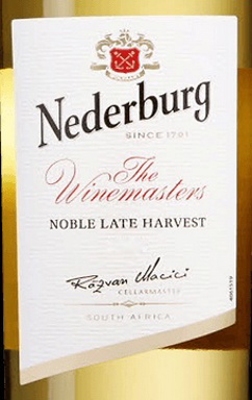
1. Noble Late Harvest by Nederburg, Western Cape, South Africa
This is the standout wine recommendation and the strongest perfect match in the verified data. With Chenin Blanc, Muscat de Frontignan, and Grasa de Cotnari, it brings layered sweetness, floral lift, and enough freshness to balance the sugar in Koesisters. The wine’s late-harvest richness echoes the dessert’s warm spice without overwhelming it.
2. Ricossa Moscato by Cuvage, Piemonte, Italy
If you want a playful, highly aromatic wine pairing, this Moscato is an easy win. Its light body, fragrant fruit, and gentle sweetness make it ideal for cinnamon-scented desserts, and it stays lively rather than heavy. It’s also a smart value choice for shoppers looking for a bottle that feels festive but approachable.
3. Moscato d’Asti by Castiôn, Piemonte, Italy
Moscato d’Asti is one of the best-known sweet wine styles for a reason: it’s low in alcohol, softly sparkling, and naturally fragrant. For Koesisters, that touch of spritz lifts the sweetness and refreshes the palate, while the Muscat character plays beautifully with the dessert’s spice profile.
4. Riesling Beerenauslese by Dr Loosen, Mosel, Germany
This is a more decadent wine pairing, but it works beautifully if you want a richer, more contemplative dessert experience. The wine’s concentrated sweetness and bright Mosel acidity create contrast and balance, while Riesling’s citrus and stone-fruit notes keep the pairing elegant rather than syrupy.
5. Moulin Touchais by Touchais, Anjou, France
For lovers of Chenin Blanc, this is a sophisticated choice. Its honeyed, mature character and firm acidity give it the structure to stand up to Koesisters’ sugar and spice. It feels a little more old-world and nuanced, which makes it a lovely option when you want a wine pairing with depth.
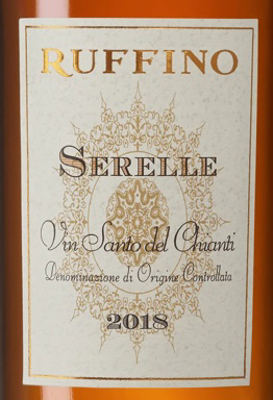
6. Vinsanto Serelle by Ruffino, Tuscany, Italy
Vinsanto brings a dried-fruit, nutty, amber-style richness that can be very appealing with spiced desserts. It’s less bright than Moscato, but its warmth and concentration make it a compelling match if you enjoy a fuller, more autumnal style of dessert wine.
Budget vs. Special Occasion
For a budget-friendly wine for Koesisters, look first for Ricossa Moscato by Cuvage or Moscato d’Asti by Castiôn. Both styles are widely available in the U.S. market and usually sit comfortably in the $15-30 range, making them easy, low-risk choices for an everyday dessert wine pairing.
For a special occasion, Noble Late Harvest by Nederburg is the clear splurge-worthy bottle in this lineup. It has the most complete combination of sweetness, aroma, and balance, so it feels especially luxurious with Koesisters. If you want a more contemplative, cellar-worthy dessert experience, Riesling Beerenauslese by Dr Loosen is another excellent premium option.
Frequently Asked Questions
What wine goes with Koesisters?
The best wine pairing for Koesisters is a sweet, aromatic dessert wine with enough acidity to balance the sugar. Noble Late Harvest, Moscato d’Asti, and Riesling Beerenauslese are all strong choices because they complement the cinnamon and sweetness without tasting flat or harsh.
What is the best wine for Koesisters if I want something easy to find in the U.S.?
Moscato d’Asti is often the easiest and most approachable option. It’s widely available at many U.S. retailers, usually affordable, and its light sparkle plus floral sweetness make it a very natural match for Koesisters.
Can I drink dry wine with Koesisters?
You can, but it usually won’t be the best wine pairing. Dry wines often taste overly acidic or bitter next to a sweet dessert. If you prefer a less sweet style, choose something with at least a touch of residual sugar and aromatic fruit.
Is South African wine a good wine recommendation for Koesisters?
Yes — it’s one of the most authentic and successful options. Nederburg’s Noble Late Harvest brings Chenin Blanc freshness and dessert-wine richness, which makes it a perfect match for the dessert’s spice and sweetness.
What’s the best wine pairing if Koesisters are very sweet?
Go for a wine with equal or greater sweetness, plus good acidity. That’s why Noble Late Harvest and Riesling Beerenauslese work so well: they match the dessert’s sweetness while keeping the finish clean and balanced.
Should I serve the wine chilled?
Yes. Sweet dessert wines are usually best served well chilled, especially Moscato and Riesling styles. The cooler temperature keeps the pairing refreshing and helps the sweetness feel more balanced with Koesisters.
Conclusion
If you’re choosing a wine pairing for Koesisters, think sweet, aromatic, and balanced. The best bottle will echo the dessert’s cinnamon warmth while staying fresh enough to keep every bite lively. From approachable Moscato to luxurious late-harvest wines, there’s a wine for Koesisters at nearly every budget and occasion. Explore more pairings on Gastrona to find your perfect match, whether you’re after a simple dessert wine or a memorable special-occasion wine recommendation.