

Introduction
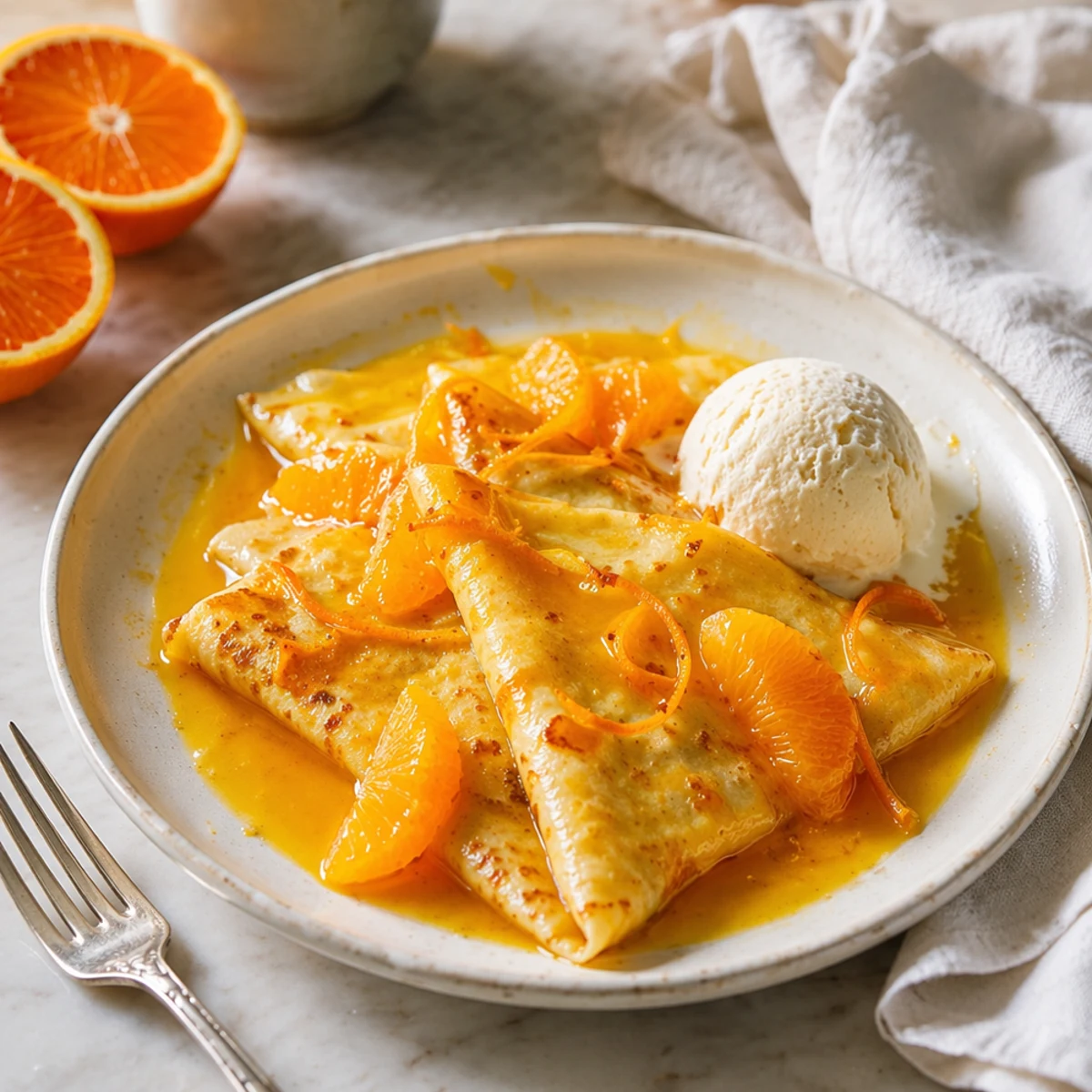
Few desserts feel as effortlessly elegant as crepe suzette. Thin, buttery crêpes bathed in a glossy orange sauce, often finished with a dramatic splash of liqueur, bring a little tableside theatre to any meal. It’s the kind of dish that turns an ordinary dinner into something memorable, with bright citrus aromas, caramelized edges, and a delicate sweetness that lingers just long enough to make you want another bite.
For home cooks and wine lovers, crepe suzette is especially appealing because it offers so many possibilities for a thoughtful wine pairing. The orange sauce adds freshness and fragrance, while the butter and sugar create richness that begs for a wine with enough acidity, sweetness, and aromatic lift to keep every bite lively. Whether you’re planning a cozy dinner at home or a special dessert course, this classic French favorite is a beautiful way to end the evening.
If you’ve ever searched for the best wine with crepes suzette, you’re in the right place. This guide breaks down the dish, the ingredients, the crepe suzette recipe, and the wines that make it shine.
About This Dish
Crepe suzette is one of those dishes that feels steeped in old-world charm, even though it remains wonderfully accessible to modern cooks. Traditionally associated with French fine dining, it became famous as a dessert that combines simplicity and spectacle: thin crêpes are folded or rolled, then warmed in a sauce made with butter, sugar, orange juice, zest, and often a splash of orange liqueur. The result is a dessert that is sweet, citrusy, and deeply aromatic.
Part of the magic of crêpes Suzette is that it balances refinement with comfort. The crêpe itself is delicate and understated, almost like a blank canvas. The sauce brings brightness, richness, and a hint of indulgence. In many ways, it reflects the elegance of classic French cooking: a handful of ingredients, handled with care, creating something far greater than the sum of its parts.
In American food culture, crepe suzette has a special appeal because it feels both familiar and impressive. Crêpes are already beloved in brunch culture, and the orange-butter sauce gives them a dessert-forward twist that feels restaurant-worthy without being overly complicated. It’s a dish that invites conversation, especially when paired with the right wine. For readers exploring French classics, it sits beautifully alongside other elegant dishes such as smoked salmon with soda bread, where balance and finesse matter just as much as flavor.
Key Ingredients & Their Role
The beauty of crepe suzette lies in how a few simple ingredients create layers of flavor and texture. The crêpe batter usually starts with flour, eggs, milk, and butter, though the exact balance may vary. Flour gives structure, while eggs provide richness and help the crêpes set into a tender, flexible sheet. Butter adds flavor and a silky mouthfeel, and a little sugar can enhance browning and subtle sweetness.
The sauce is where crepe suzette truly comes alive. Oranges are the star ingredient, bringing bright acidity, fragrant zest, and natural sweetness. Orange juice reduces into a glossy syrup, while zest intensifies the citrus aroma and gives the dish its signature freshness. Butter rounds out the sauce, adding depth and a luxurious texture that clings to each crêpe. Sugar helps caramelize the sauce and balance the citrus, while orange liqueur, if used, adds another layer of perfume and warmth.
This is exactly why wine pairing matters so much here. A dish like crepes suzette needs a wine that can handle sweetness without tasting flat, and acidity without feeling sharp. Aromatic white wines, sweet wines with lively freshness, and fortified styles can all work beautifully. The wine should echo the citrus notes, complement the buttery richness, and stay elegant enough not to overpower the delicate crêpe. If you enjoy desserts that rely on balance and fragrance, you may also appreciate how wine pairing works with lighter, buttery dishes such as coconut tops, where texture and sweetness play a similar role.
Recipe
Crêpes Suzette Recipe
Prep Time
20 minutes
Cook Time
20 minutes
Total Time
40 minutes
Servings
4
Difficulty
Intermediate
Ingredients
For the crêpes:
- 1 cup all-purpose flour
- 2 large eggs
- 1 cup milk
- 1/2 cup water
- 2 tablespoons unsalted butter, melted
- 1 tablespoon sugar
- 1/4 teaspoon salt
- Butter or neutral oil, for the pan
For the Suzette sauce:
- 1/2 cup unsalted butter
- 1/3 cup granulated sugar
- 1/2 cup fresh orange juice
- 1 tablespoon orange zest
- 2 tablespoons orange liqueur, optional
- 1 teaspoon lemon juice
- Pinch of salt
For serving:
- Extra orange zest
- Powdered sugar, optional
- Fresh orange segments, optional
Instructions
- Make the batter. In a mixing bowl, whisk together flour, eggs, milk, water, melted butter, sugar, and salt until smooth. Cover and let rest for 10 minutes.
- Cook the crêpes. Heat a lightly buttered nonstick skillet over medium heat. Pour in a small amount of batter, swirling to coat the pan thinly. Cook for about 1 minute, then flip and cook for 20–30 seconds more. Repeat with remaining batter.
- Prepare the sauce. In a large skillet, melt the butter over medium heat. Stir in the sugar and orange zest, then add orange juice, lemon juice, and a pinch of salt. Simmer until slightly thickened.
- Add the liqueur. If using, stir in the orange liqueur and cook for another 30 seconds.
- Fold the crêpes. Add the crêpes to the skillet and spoon the sauce over them. Fold or roll the crêpes gently to coat.
- Serve warm. Transfer to plates, spoon extra sauce on top, and finish with orange zest or a light dusting of powdered sugar.
Nutrition Facts
Approximate per serving: 360 calories, 17g fat, 42g carbohydrates, 8g protein, 18g sugar, 220mg sodium.
Dietary Information
- Contains gluten
- Contains dairy
- Contains eggs
- Vegetarian
- Can be adapted to be alcohol-free by omitting liqueur
Perfect Wine Pairings
The best wine with crepe suzette should do three things: mirror the dessert’s citrus perfume, balance its sweetness, and refresh the palate after the buttery sauce. Because this dish is delicate yet rich, the ideal wine pairing is usually aromatic, slightly sweet, and bright enough to keep the finish lively.
A standout choice is Moscato d’Asti by Castiôn (Piemonte, Italy). With its Muscat character and excellent pairing score, it’s a natural match for crepes suzette. Look for gentle bubbles, low alcohol, and fragrant notes of peach, orange blossom, and ripe citrus. That touch of fizz helps lift the butter and sugar, while the wine’s sweetness harmonizes with the orange sauce.
Another beautiful option is Moulin Touchais by Touchais (Anjou, France), made from Chenin Blanc. Chenin Blanc can bring honeyed fruit, orchard notes, and lively acidity, which makes it especially appealing with crêpes Suzette. If you want a wine that feels a little more contemplative and elegant, this is a smart choice.
For a richer, more decadent pairing, Château Guiraud Sauternes by Château Guiraud (Bordeaux, France) offers a luxurious match. Its Semillon and Sauvignon Blanc blend gives it depth, sweetness, and freshness. With the caramelized orange sauce in crepe suzette, Sauternes can feel almost seamless, especially for a special occasion dinner.
If you prefer a fortified style, Moscatel de Setúbal by Bacalhoa (Setúbal, Portugal) is another excellent direction. Its floral, citrus-driven profile works with the dessert’s orange notes, while its sweetness and structure make it easy to enjoy alongside each bite. You may also find Ricossa Moscato by Cuvage at retailers like Total Wine, Trader Joe’s, BevMo, and local wine shops, typically in the $15–30 range, which makes it a very approachable option for American wine buyers looking for value.
For a less sweet but still compatible choice, Vintry’s Red Port by Andresen can work if you want a deeper, nutty, more autumnal finish. It’s not the most classic pairing, but it can be appealing if you enjoy richer dessert wines. In general, when choosing wine for crepe suzette, prioritize sweetness, aromatic intensity, and enough acidity to keep the dessert from feeling heavy.
Cooking Tips & Techniques
A great crepe suzette recipe depends on precision, but it doesn’t need to be intimidating. The first key is batter consistency: it should be thin enough to spread easily in the pan, almost like heavy cream. If the batter seems too thick, add a splash of milk or water. Letting it rest before cooking also helps the flour hydrate, which leads to more tender crêpes.
When cooking, use a well-heated nonstick skillet and keep the crêpes thin. The goal is pale, delicate rounds rather than browned pancakes. Too much batter will make them heavy and less elegant. A light hand with butter is important too; you want enough to prevent sticking, but not so much that the crêpes become greasy.
For the sauce, use fresh orange juice and zest whenever possible. Bottled juice can taste flat, while fresh citrus gives crepe suzette its signature brightness. Simmer the sauce gently so it reduces slightly without becoming sticky or overly thick. If you’re using liqueur, add it carefully and let the alcohol cook off briefly before folding in the crêpes.
One of the most common mistakes is overcooking the sauce or letting the crêpes sit too long before serving. This dessert is at its best when it’s warm, glossy, and just made.
Serving Suggestions
Serve crepe suzette on warm dessert plates so the sauce stays silky and inviting. A few extra strands of orange zest on top add fragrance and visual appeal, while a light dusting of powdered sugar can give the dessert a graceful finish. If you want to make the presentation feel especially polished, fold the crêpes into quarters or neat rolls and spoon the sauce generously over each one.
This dessert pairs beautifully with a simple after-dinner setting: soft lighting, coffee or espresso on the side, and a small pour of dessert wine. Because crepe suzette is already elegant, it doesn’t need much embellishment. Fresh orange segments, a dollop of lightly whipped cream, or even a few berries can work, but keep the garnish restrained so the citrus remains the star.
If you’re serving it as part of a dinner party, it makes a lovely finale after seafood, roast chicken, or a light French-inspired meal. It’s the kind of dessert that invites guests to linger, sip, and enjoy the moment.
Frequently Asked Questions
What wine goes with crêpes Suzette?
The best wine with crêpes Suzette is usually a lightly sparkling or sweet aromatic white wine. Moscato d’Asti is a classic choice because it matches the orange notes and balances the buttery sauce. Chenin Blanc-based dessert wines and Sauternes also work well if you want a richer pairing.
Is Moscato a good wine pairing for crepe suzette?
Yes, Moscato is one of the best wine pairing options for crepe suzette. Its floral aroma, soft sweetness, and fresh acidity complement the orange sauce without overwhelming the delicate crêpes. A lightly sparkling Moscato can also refresh the palate between bites.
Can I serve red wine with crêpes Suzette?
A light fortified red style like red Port can work, but red wine is usually not the first choice for crepes suzette. The dessert’s citrus and butter are better matched by aromatic white dessert wines. If you prefer red, choose something sweet, smooth, and not too tannic.
What is the best wine for a crepe suzette recipe on a budget?
For a budget-friendly crepe suzette recipe pairing, look for Moscato d’Asti or Moscato from Total Wine, Trader Joe’s, BevMo, or local wine shops. In the U.S., many good options fall in the $15–30 range and offer excellent value for dessert wine.
Are crêpes Suzette and orange dessert wines a good match?
Absolutely. Orange-forward dessert wines and citrus-driven sweet wines are a natural match for crêpes Suzette because they echo the sauce’s flavor profile. The key is choosing a wine with enough acidity and sweetness so the pairing stays balanced, not cloying.
Conclusion
Crepe suzette is proof that a dessert can be both simple and unforgettable. With its tender crêpes, bright orange sauce, and elegant French charm, it brings restaurant-level sophistication to the home table. Even better, it opens the door to some truly rewarding wine pairings, from lively Moscato to luxurious Sauternes.
If you’ve been searching for the perfect crepe suzette recipe or wondering what wine goes with crêpes Suzette, this is the ideal place to start. Keep the flavors fresh, the presentation warm, and the wine thoughtfully chosen. And when you want to explore even more food-and-wine matches, Gastrona makes it easy to discover pairings that turn a great dessert into a memorable experience.