

Introduction
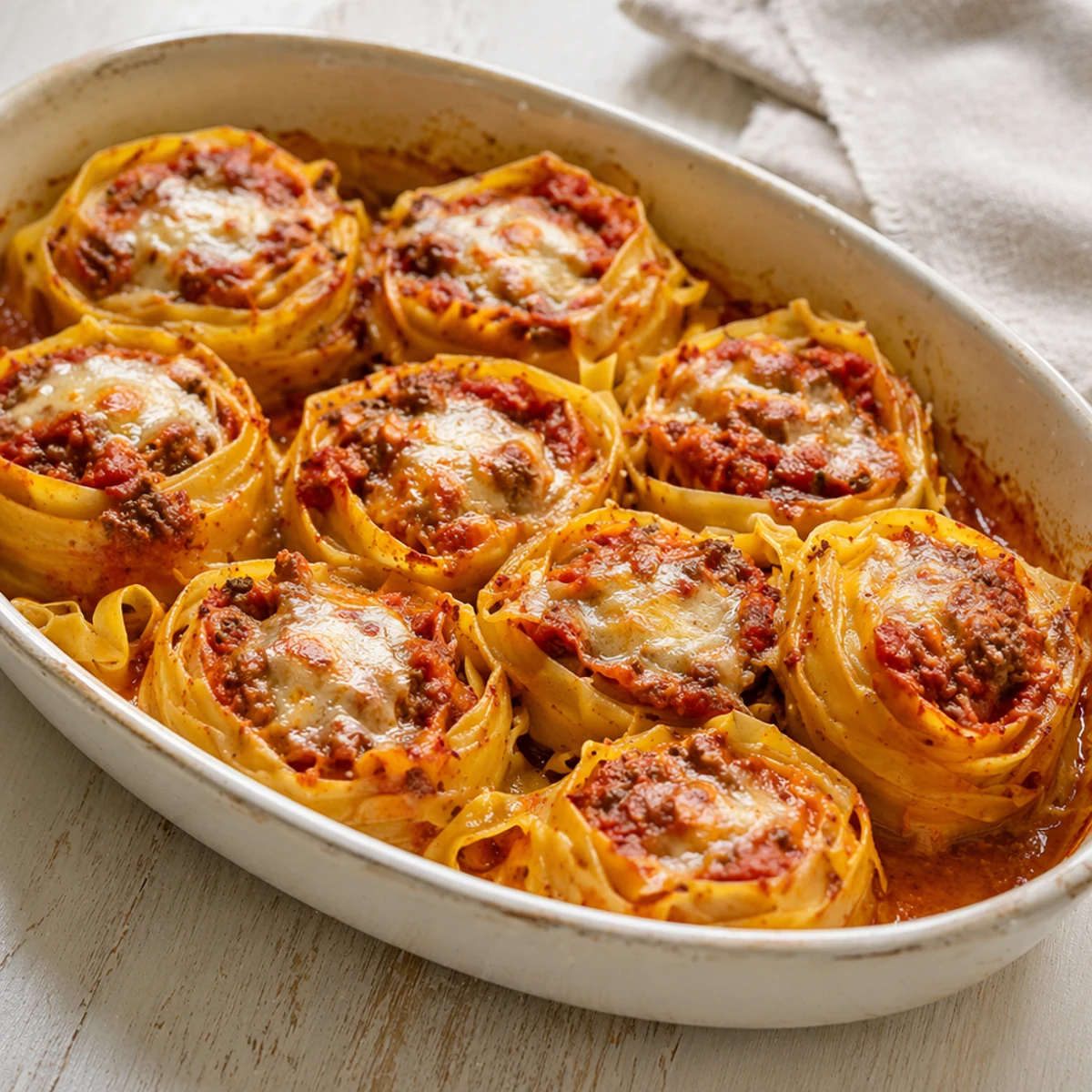
If you love baked rigatoni that lands somewhere between cozy Sunday supper and dinner-party showstopper, Nidi di Rondine is your next obsession. This elegant baked pasta dish wraps tender egg pasta around a savory mixed meat filling, then bakes it in tomato sauce until the edges turn glossy, bubbling, and deeply aromatic. It has all the comforting pull of a classic baked rigatoni recipe, but with a little more flair and a lot more charm.
What makes Nidi di Rondine especially appealing is how naturally it invites a great wine pairing. The richness of the meat, the sweetness and acidity of the tomato sauce, and the silky pasta all ask for a wine with enough structure to stand up to the dish without overpowering it. That balance is exactly why this dish is so rewarding for home cooks and wine lovers alike. Whether you’re searching for the best wine for baked rigatoni or simply want a dinner that feels special without being fussy, this is a dish worth adding to your rotation.
About This Dish
Nidi di Rondine, which translates to “swallows’ nests,” is a beautiful Italian baked pasta that feels both rustic and refined. The name comes from the way the rolled pasta nests together in the baking dish, almost like little swallows settling into place. It’s the kind of recipe that speaks to the Italian tradition of turning humble ingredients into something celebratory and memorable.
This dish belongs to the broader family of baked pasta recipes that vary from region to region across Italy. While the exact fillings and sauces can change, the heart of the dish remains the same: pasta, richness, and a slow-baked finish that brings everything together. In many households, this style of cooking is associated with holidays, Sunday lunches, and gatherings where food is meant to be shared. It’s comforting, yes, but it also carries a sense of occasion.
For American cooks, Nidi di Rondine offers the best of both worlds. It has the familiarity of baked rigatoni or lasagna, but it feels a little more elegant and surprising on the plate. If you enjoy exploring Italian comfort food beyond the usual classics, this dish is a wonderful bridge. It also pairs beautifully with the kind of wines many U.S. shoppers can find at Total Wine, Trader Joe’s, BevMo, or a good local wine shop. In that sense, it’s a perfect fit for modern American dining: approachable, versatile, and just special enough to impress.
Key Ingredients & Their Role
The magic of Nidi di Rondine starts with the pasta. Egg pasta gives the dish a richer flavor and a more tender texture than standard dried pasta, which matters when the final result needs to hold a filling and absorb sauce without falling apart. In a dish like baked rigatoni, pasta is often the backbone, but here it also becomes part of the dish’s elegance. The egg content adds a subtle silkiness that works beautifully with the meat and tomato.
The mixed meat filling is where the deep savory character comes in. Depending on the version, it may include beef, pork, veal, or a combination. That blend creates layers of flavor: beef brings robustness, pork adds sweetness and moisture, and veal lends delicacy and tenderness. The result is rich, umami-driven, and satisfying. This is the kind of filling that makes the dish feel hearty enough for a winter table, but balanced enough to avoid heaviness when paired with the right sauce and wine.
Tomato sauce is the final essential piece. It provides acidity, brightness, and a touch of sweetness that keeps the dish from becoming too dense. In a baked rigatoni recipe, tomato sauce often acts as the unifying element, but in Nidi di Rondine it also helps define the final flavor profile. It coats the pasta, softens the filling, and creates those irresistible caramelized edges as it bakes.
From a wine perspective, these ingredients point toward wines with medium body, lively acidity, and enough tannin to handle the meat without drying out the palate. That’s why Sangiovese-based wines are such a natural fit. They mirror the tomato’s acidity, complement the savory filling, and keep each bite feeling fresh. If you enjoy dishes like smoked salmon with crème fraîche and dill on rye bread slices for their balance and texture, you’ll appreciate how thoughtfully this dish is built. And if you like exploring elegant starters such as oysters with mignonette sauce, you already know how much a sharp, well-chosen pairing can elevate the meal.
Recipe
Baked Rigatoni Nidi di Rondine
Prep Time: 30 minutes Cook Time: 45 minutes Total Time: 1 hour 15 minutes Servings: 6 Difficulty: Intermediate
Ingredients
- 12 oz egg pasta sheets or fresh lasagna sheets
- 1 tbsp olive oil
- 1 small yellow onion, finely chopped
- 2 cloves garlic, minced
- 1/2 lb ground beef
- 1/2 lb ground pork
- 1/4 lb ground veal
- 1/2 cup dry white wine or broth
- 1 tsp salt, plus more to taste
- 1/2 tsp black pepper
- 1/4 tsp ground nutmeg
- 1/2 cup grated Parmesan cheese
- 1 1/2 cups tomato sauce, divided
- 1 cup béchamel sauce or light cream sauce
- 1 cup shredded mozzarella
- 2 tbsp chopped parsley
- Butter or oil, for greasing the baking dish
Instructions
- Prepare the filling. Heat olive oil in a skillet over medium heat. Add onion and cook until soft, about 5 minutes. Stir in garlic and cook for 30 seconds.
- Cook the meat. Add the ground beef, pork, and veal. Break up the meat and cook until browned.
- Deglaze and season. Add the white wine or broth, salt, pepper, and nutmeg. Simmer until mostly reduced.
- Finish the filling. Remove from heat and stir in Parmesan and parsley. Let cool slightly.
- Cook the pasta. Boil the egg pasta sheets just until pliable. Drain and lay flat on a clean towel.
- Assemble the rolls. Spread a thin layer of béchamel over each pasta sheet, then add a spoonful of meat filling. Roll up tightly.
- Build the baking dish. Grease a baking dish and spread 1 cup tomato sauce on the bottom. Arrange the rolls seam-side down.
- Top and bake. Spoon the remaining tomato sauce and béchamel over the rolls. Sprinkle with mozzarella.
- Bake until bubbly. Bake at 375°F for 25–30 minutes, until hot, golden, and bubbling at the edges.
- Rest and serve. Let stand for 10 minutes before serving.
Nutrition Facts
Per serving, approximate:
- Calories: 520
- Protein: 28g
- Fat: 26g
- Carbohydrates: 38g
- Fiber: 3g
- Sugar: 6g
- Sodium: 780mg
Dietary Information
- Contains gluten
- Contains dairy
- Contains eggs
- Contains pork, beef, and veal
- Not vegetarian
- Not vegan
Perfect Wine Pairings
The best wine with baked rigatoni-style Nidi di Rondine needs to do three things well: match the tomato sauce’s acidity, support the richness of the meat filling, and refresh the palate between bites. That’s why the verified pairing data points strongly toward medium-bodied red wines with bright fruit, moderate tannins, and good structure.
1. Castello di Ama Chianti Classico San Lorenzo is the top match here, and for good reason. Made primarily from Sangiovese with small amounts of Merlot and Malvasia Nera, it has the acidity, savory depth, and polished tannins that love tomato-based dishes. If you’re looking for the best wine for baked rigatoni or Nidi di Rondine, this is the most complete, food-friendly option. In the U.S., you’ll often find Chianti Classico at Total Wine, BevMo, and better local wine shops, usually in the $15–30 range depending on vintage and retailer.
2. Roncale Sangiovese Superiore is another excellent choice for anyone who wants a more direct, classic pairing. Pure Sangiovese naturally echoes the acidity of the tomato sauce, while its red cherry fruit and earthy finish keep the dish tasting lively. This is a smart pick if you prefer a cleaner, more traditional Italian profile.
3. Cantina Piane di Serravalle Sangiovese offers a similar Sangiovese-driven style with an approachable feel. It works especially well if your version of baked rigatoni leans a little richer or cheesier, because the wine’s freshness helps cut through the creamy and savory elements.
4. Appassimento by Il Capolavoro is the best option if you want a rounder, more plush wine. With Primitivo, Merlot, Negroamaro, and Malvasia in the blend, it brings ripe fruit and softness that can be very satisfying with a deeply savory baked pasta. It’s a good choice for diners who like fuller-bodied reds but still want a wine that can handle tomato sauce.
If you prefer a California option, Rubicon by Niebaum Coppola offers a more structured, New World interpretation with Cabernet Sauvignon and Merlot. It’s not the most traditional pairing, but it can work well if your baked rigatoni is especially meaty and you want a bolder wine. For shoppers comparing styles, Gastrona can help you narrow down the best wine recommendation based on what’s actually on the shelf at Total Wine, Trader Joe’s, or your neighborhood wine shop.
Cooking Tips & Techniques
The biggest tip for making Nidi di Rondine successfully is to keep the pasta pliable but not overcooked. Since it will bake in sauce afterward, you want it flexible enough to roll without tearing, yet firm enough to hold its shape. If you overboil the sheets, the final dish can become soft and lose its structure. That’s one of the most common mistakes in any baked rigatoni recipe or rolled pasta dish.
Another important step is cooling the filling before assembly. Warm filling can make the pasta slippery and harder to roll tightly. A well-cooled filling also helps the rolls stay neat in the baking dish, which improves both texture and presentation. Don’t rush this part.
When it comes to sauce, resist the urge to drown the rolls. You want enough tomato sauce to keep the pasta moist and flavorful, but not so much that the dish becomes soupy. A balanced sauce-to-pasta ratio is key to getting those lightly caramelized edges that make baked rigatoni so irresistible.
Finally, let the dish rest after baking. Ten minutes is enough to help everything settle, making it easier to serve clean portions. If you’re making this for guests, assemble it ahead of time and refrigerate it before baking. That makes dinner feel much easier without sacrificing flavor.
Serving Suggestions
Nidi di Rondine is at its best when served warm from the oven with a little rest time so the layers hold together. Use a wide spatula to lift each portion cleanly, and spoon a bit of extra tomato sauce around the plate for a polished look. A sprinkle of parsley or extra Parmesan adds freshness and visual appeal.
For a complete meal, serve it with a crisp green salad, roasted vegetables, or garlicky broccolini. A simple antipasto plate also works beautifully if you want to make the dinner feel more Italian and more festive. If you’re building a wine-friendly menu, keep the sides light so the baked rigatoni remains the star.
This is a great dish for a relaxed dinner party, holiday gathering, or Sunday family meal. Light candles, pour the wine a little early, and let the table feel generous and welcoming. That’s the spirit of this dish: comforting, elegant, and meant to be shared.
Frequently Asked Questions
What wine goes with Nidi di Rondine?
A Sangiovese-based red is the best choice for Nidi di Rondine because it matches the tomato sauce’s acidity and complements the savory meat filling. Chianti Classico is especially strong, but other medium-bodied Italian reds also work well. If you enjoy baked rigatoni, think bright fruit, medium body, and balanced tannins.
Is Nidi di Rondine the same as baked rigatoni?
Not exactly. Nidi di Rondine is a rolled egg pasta dish, while baked rigatoni usually uses tubular pasta baked with sauce and cheese. They share the same comforting, oven-baked appeal, but Nidi di Rondine is more delicate and elegant in presentation.
Can I make Nidi di Rondine ahead of time?
Yes. You can assemble the dish a few hours ahead or even the day before, then refrigerate it until ready to bake. This makes it a great option for entertaining. Just add a few extra minutes of baking time if it goes into the oven cold.
What is the best wine for baked rigatoni-style pasta?
The best wine for baked rigatoni-style dishes is usually medium-bodied red wine with bright acidity, such as Chianti Classico or another Sangiovese-based wine. These wines cut through richness and work especially well with tomato sauce and meat.
Where can I buy these wines in the United States?
Many of these wines can be found at Total Wine, Trader Joe’s, BevMo, and local wine shops. In the U.S., you’ll often see them in the $15–30 range, especially for Chianti Classico and other value-driven Italian reds.
Can I serve white wine with Nidi di Rondine?
You can, but red wine is usually the better match. If you want white, choose something with good acidity and moderate body, not an oaky or overly rich style. Still, for the classic baked rigatoni experience, red wine is the safer and more satisfying pairing.
Conclusion
Nidi di Rondine is everything we love about Italian comfort food: rich, layered, satisfying, and just a little bit special. It has the soul of a family recipe and the polish of a dinner-party centerpiece, making it a wonderful alternative to standard baked rigatoni. With the right wine pairing, the dish becomes even more memorable, especially when you lean into Sangiovese-based reds and other food-friendly bottles.
If you want to make wine pairing feel easier and more enjoyable, Gastrona can help you discover the right match for your table. Try the recipe, pour something delicious, and turn an ordinary evening into something worth savoring.