


Introduction
If you love a dinner that feels restaurant-worthy but still fits into a busy weeknight, this baked haddock recipe-style guide is for you—except here we’re celebrating a Pan-Seared Salmon Fillet with Dill Sauce. The wording may sound a little unexpected, but the appeal is the same: a beautifully cooked fish dish with a clean, elegant flavor profile that makes wine pairing a joy. With crisp-edged salmon, a silky dill cream sauce, and bright herbal notes, this is the kind of meal that invites a chilled glass and a relaxed table.
For home cooks in the United States, salmon is a familiar favorite, but it still has plenty of room to feel special. The freshness of dill, the richness of cream, and the savory depth of seared fish create a dish that can lean classic, modern, or even a little luxurious depending on how you serve it. And because the flavors are balanced rather than aggressive, it opens the door to some excellent wine pairings—from bright Chardonnay to refined Champagne. If you’ve ever wondered what wine goes with a creamy fish dish, this baked haddock recipe-inspired salmon dinner is a great place to start.
About This Dish
A Pan-Seared Salmon Fillet with Dill Sauce sits comfortably in the sweet spot between everyday cooking and special-occasion dining. Salmon has long been a staple in American kitchens because it is versatile, widely available, and rich in flavor without being overpowering. The technique of pan-searing gives the fish a golden crust and a tender, juicy center, which creates contrast in every bite. Add dill sauce, and the dish shifts from simple to refined: the herb brings freshness, while the cream softens the edges and rounds out the salmon’s natural richness.
This style of preparation has broad cultural appeal in the United States because it reflects how many people like to eat now: lighter than a heavy cream entrée, more elegant than a plain grilled fillet, and flexible enough to pair with vegetables, grains, or a glass of wine. It also fits beautifully into the modern home-cooking mindset—accessible ingredients, straightforward technique, and a payoff that feels much bigger than the effort required.
If you’re building a dinner menu around seafood, you might think of this dish the way you’d think about a blackened salmon recipe or a delicate baked fish supper: the fish is the star, but the sauce and sides shape the whole experience. That’s also why wine matters so much here. The right bottle can echo the dill, lift the cream, and keep the salmon tasting bright rather than heavy. In that sense, this baked haddock recipe-style salmon plate is less about strict rules and more about balance, freshness, and pleasure at the table.
Key Ingredients & Their Role
The beauty of this dish is that it relies on only a few ingredients, but each one has a clear purpose. Salmon fillet provides the foundation: rich, buttery, and naturally savory, with enough fat to stand up to searing and enough flavor to remain interesting on its own. When cooked properly, salmon develops a crisp exterior while staying moist inside, which is essential for texture. If you’ve ever searched for how to remove skin from salmon, you know that skin-on fillets can be a great option for pan-searing because the skin helps protect the fish and adds another layer of texture if you choose to serve it that way.
Dill is the signature herb here. Its grassy, slightly anise-like character brings brightness and a cool, fresh finish that cuts through the salmon’s richness. Dill is one of those ingredients that instantly signals “seafood dinner,” and it works especially well when you want a sauce that tastes light rather than heavy. In wine pairing terms, dill is a clue to look for wines with lively acidity and clean fruit, because overly oaky or overly tannic wines can flatten the herb’s freshness.
Cream gives the sauce its lush texture and comforting mouthfeel. It carries the dill beautifully, smooths out the seasoning, and softens any sharp edges from the sear or the fish itself. The result is a dish that feels balanced: rich, but not cloying; fresh, but not austere. That balance is exactly what makes this a useful baked haddock recipe-style pairing guide, even though the protein is salmon. The same logic applies to other seafood dishes like a honey walnut shrimp recipe or even a delicate escargot recipe: when the sauce is creamy and the flavors are subtle, you want wine that can refresh the palate without overwhelming the food.
A few supporting ingredients usually do the quiet work behind the scenes: salt, black pepper, butter or oil for searing, and sometimes lemon for brightness. Lemon is especially helpful because it reinforces the fresh profile of the dill sauce and gives the dish a cleaner finish. Together, these ingredients create a plate that feels elegant, approachable, and ideal for thoughtful wine pairing.
Recipe
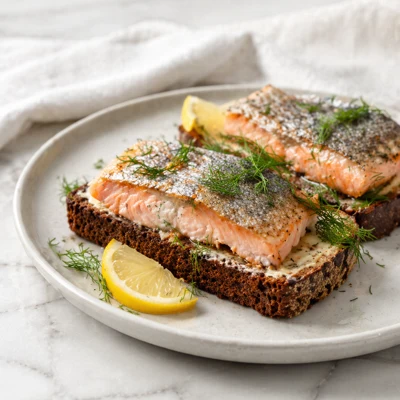
Pan-Seared Salmon Fillet with Dill Sauce
Prep Time: 15 minutes Cook Time: 15 minutes Total Time: 30 minutes Servings: 4 Difficulty: Easy
Ingredients
- 4 salmon fillets, about 6 oz each
- 1 tablespoon olive oil
- 1 tablespoon unsalted butter
- Salt, to taste
- Freshly ground black pepper, to taste
- 1 small shallot, finely minced
- 1 clove garlic, minced
- 1 cup heavy cream
- 2 tablespoons fresh dill, finely chopped
- 1 teaspoon Dijon mustard
- 1 tablespoon lemon juice
- 1 teaspoon lemon zest
- Optional: extra dill sprigs and lemon wedges for garnish
Instructions
- Pat the salmon fillets dry with paper towels. Season both sides generously with salt and pepper.
- Heat olive oil and butter in a large skillet over medium-high heat.
- Place the salmon fillets skin-side down if using skin-on fillets. Cook for 4-5 minutes without moving them, until the skin is crisp and the salmon releases easily.
- Flip the fillets and cook for 2-3 minutes more, depending on thickness. Remove from the pan and set aside.
- Reduce heat to medium. Add the shallot and cook for 1 minute until softened.
- Stir in the garlic and cook for 30 seconds, just until fragrant.
- Pour in the cream and simmer gently for 2-3 minutes, stirring often.
- Add the dill, Dijon mustard, lemon juice, and lemon zest. Stir until smooth and well combined.
- Return the salmon to the skillet briefly, spooning sauce over the top.
- Serve immediately with extra dill and lemon wedges if desired.
Nutrition Facts
Per serving, approximate:
- Calories: 430
- Protein: 34g
- Fat: 29g
- Saturated Fat: 13g
- Carbohydrates: 5g
- Fiber: 0g
- Sugar: 2g
- Sodium: 290mg
Dietary Information
- Gluten-Free
- Low Carb
- High Protein
- Not Dairy-Free
- Not Vegan
- Not Vegetarian
Perfect Wine Pairings
The best wine with Pan-Seared Salmon Fillet with Dill Sauce should complement three things at once: the salmon’s richness, the sauce’s creaminess, and the dill’s fresh herbal edge. That means you want wines with enough acidity to refresh the palate, enough body to stand up to the cream, and enough finesse to avoid overpowering the fish. This is where the verified pairing data really shines.
A top choice is Brut Champagne by Dom Pérignon from Champagne, France, with a match score of 95/100. The Chardonnay-driven profile, fine bubbles, and brisk acidity make it a superb partner for creamy salmon. Sparkling wine cuts through the sauce, while the citrusy, toasty notes echo the dish’s elegance. If you want the most celebratory option, this is it.
Another excellent pick is Blanc de Blancs Vertus Brut Champagne Premier Cru by Vve Fourny & Fils, also from Champagne, with a 94/100 match score. Because it is Chardonnay-based, it brings precision, freshness, and a mineral edge that works beautifully with dill and cream. This is a smart choice if you want the refinement of Champagne with a slightly more focused, food-friendly feel.
For a still wine option, Domaine Sainte Claire Chablis by Jean-Marc Brocard is a standout at 92/100. Chablis is known for its crisp acidity, citrus notes, and subtle mineral character, all of which are ideal with salmon. It’s especially appealing if you prefer a wine that feels clean and elegant rather than bubbly. In the United States, Chablis-style bottles are often easy to find at Total Wine, Trader Joe’s, BevMo, and neighborhood wine shops, usually in the $15-30 range for approachable selections.
If you want a slightly different expression, Crémant de Loire Brut by Domaine des Fontaines offers a 90/100 match score and a blend of Cabernet Franc and Chenin Blanc. It brings freshness, structure, and versatility, making it a great value-driven sparkling choice for this dish. For a rosé route, Cava Gran Plus Ultra Pinot Noir Brut Reserva Rosé by Codorníu adds berry lift and lively bubbles, which can be lovely if you want a more casual, vibrant dinner pairing.
As a final still-wine option, Côtes de Saumon Chardonnay-Sauvignon Blanc by Jean Biecher offers a more aromatic, slightly broader profile. It can work well if you enjoy a wine with a touch more fruit while still keeping the acidity in check. For American shoppers, these styles are the easiest to find across Total Wine, Trader Joe’s, local wine shops, and grocery stores, and they fit neatly into the accessible, value-conscious range many home cooks prefer.
Cooking Tips & Techniques
The biggest secret to a great Pan-Seared Salmon Fillet with Dill Sauce is not to rush the fish. Start with dry fillets, because moisture prevents browning. A hot pan is important, but not so hot that the butter burns before the salmon develops color. If you’re cooking skin-on salmon, press it gently for the first few seconds so it stays flat and crisps evenly. That crisp skin adds texture and helps the dish feel more complete.
When it comes to the sauce, keep the simmer gentle. Cream can reduce quickly, and if the heat is too high, it may separate or taste overly thick. Add the dill near the end so its flavor stays fresh and bright. Dijon mustard is subtle but important—it gives the sauce a little backbone and keeps the richness from feeling flat. Lemon juice and zest are equally essential because they wake up the whole dish.
A common mistake is overcooking the salmon. Remember that it will continue cooking slightly after it leaves the pan. Pull it when it’s just opaque and still moist in the center. Another tip: season the fish well before it hits the skillet. Proper seasoning is what makes a simple dish taste polished.
If you enjoy seafood dinners like a crawfish boil recipe or a honey walnut shrimp recipe, you already know that timing and balance matter. The same principle applies here. This is a dish that rewards attention, but not complexity. And while it may look elegant enough for a special dinner, it’s absolutely manageable for a weeknight—especially if you keep your ingredients prepped before the pan gets hot.
Serving Suggestions
Serve the salmon immediately while the sauce is warm and silky. A shallow bowl or wide plate works best because it lets the dill sauce pool around the fish in an inviting way. For color and contrast, add simple sides like roasted asparagus, buttered new potatoes, steamed green beans, or a light cucumber salad. The goal is to keep the plate fresh and balanced so the salmon remains the star.
If you’re building a more complete dinner, consider a crusty baguette or warm sourdough to catch the extra sauce. For a slightly more composed presentation, spoon the salmon over mashed potatoes, rice, or farro. The dish also pairs nicely with a bright green vegetable, which helps echo the herbal notes in the dill.
For wine service, chill white and sparkling wines properly but not ice-cold. That allows their aromas to open up and makes the pairing feel more expressive. This is the kind of meal that works beautifully for a relaxed dinner party, a date night, or even a quiet Sunday supper where the table feels a little more intentional than usual.
Frequently Asked Questions
What wine goes with Pan-Seared Salmon Fillet with Dill Sauce?
The best wine with Pan-Seared Salmon Fillet with Dill Sauce is usually a crisp white or sparkling wine. Champagne, Chablis, Crémant de Loire, and dry Cava all work well because they balance the cream sauce, lift the dill, and keep the salmon tasting fresh rather than heavy.
Is Chardonnay a good wine pairing for salmon with dill sauce?
Yes, especially if it’s a fresh, unoaked, or lightly oaked Chardonnay. The verified pairing data strongly supports Chardonnay-based wines like Champagne and Chablis because their acidity and texture complement the cream sauce without overpowering the fish.
Can I serve red wine with Pan-Seared Salmon Fillet with Dill Sauce?
You can, but choose carefully. If you prefer red, go very light and low in tannins, such as a delicate Pinot Noir from Oregon. Heavy reds can clash with the dill and cream, while a lighter style may work if the salmon is well-seared.
What is the best budget wine for salmon with dill sauce?
A good-value sparkling wine like Crémant de Loire or a crisp Chablis-style white is often the smartest choice. In the U.S., these are commonly available at Total Wine, Trader Joe’s, BevMo, and grocery stores, often in the $15-30 range.
How do I keep the dill sauce from becoming too heavy?
Use a gentle simmer and finish with lemon juice and fresh dill. Dijon mustard also helps brighten the sauce. If the cream tastes too rich, a little extra lemon or a splash of white wine can restore balance without thinning the texture too much.
Can I make this recipe ahead of time?
You can prep the sauce ingredients and season the salmon ahead of time, but cook the fish just before serving. Salmon is best when freshly seared, and the dill sauce tastes brightest when it’s made close to mealtime.
Conclusion
This Pan-Seared Salmon Fillet with Dill Sauce proves that elegant seafood doesn’t have to be complicated. With a crisp sear, a creamy herb sauce, and a wine pairing that feels both accessible and special, it’s the kind of dish that can elevate an ordinary evening. Whether you choose Champagne, Chablis, or a value-friendly sparkling wine, the right bottle will make every bite taste more vivid. If you’re exploring the best baked haddock recipe-style seafood dinners and want to discover your ideal match, Gastrona makes it easy to find wine pairings that fit your taste, your table, and your budget.