

Introduction
If you love desserts that feel both festive and deeply comforting, this italian cannoli recipe is the kind of treat that instantly earns a place at the center of the table. Sicilian cannoli with pistachio bring together crisp shells, silky ricotta filling, bright candied orange, and the unmistakable aroma of Bronte pistachios. The result is a dessert that tastes elegant but still warmly homemade—exactly the kind of sweet finish that makes people linger a little longer after dinner.
What makes this italian cannoli recipe especially exciting for wine lovers is its natural pairing potential. The creamy filling and sugary shell need a wine with enough sweetness, freshness, and aromatic lift to keep each bite lively rather than heavy. That balance is where the magic happens. Whether you’re planning a holiday spread, a dinner party, or a quiet weekend indulgence, this dessert gives you a perfect excuse to explore a thoughtful wine pairing. And with Gastrona, finding the right match becomes part of the pleasure—simple, inspiring, and delicious.
About This Dish
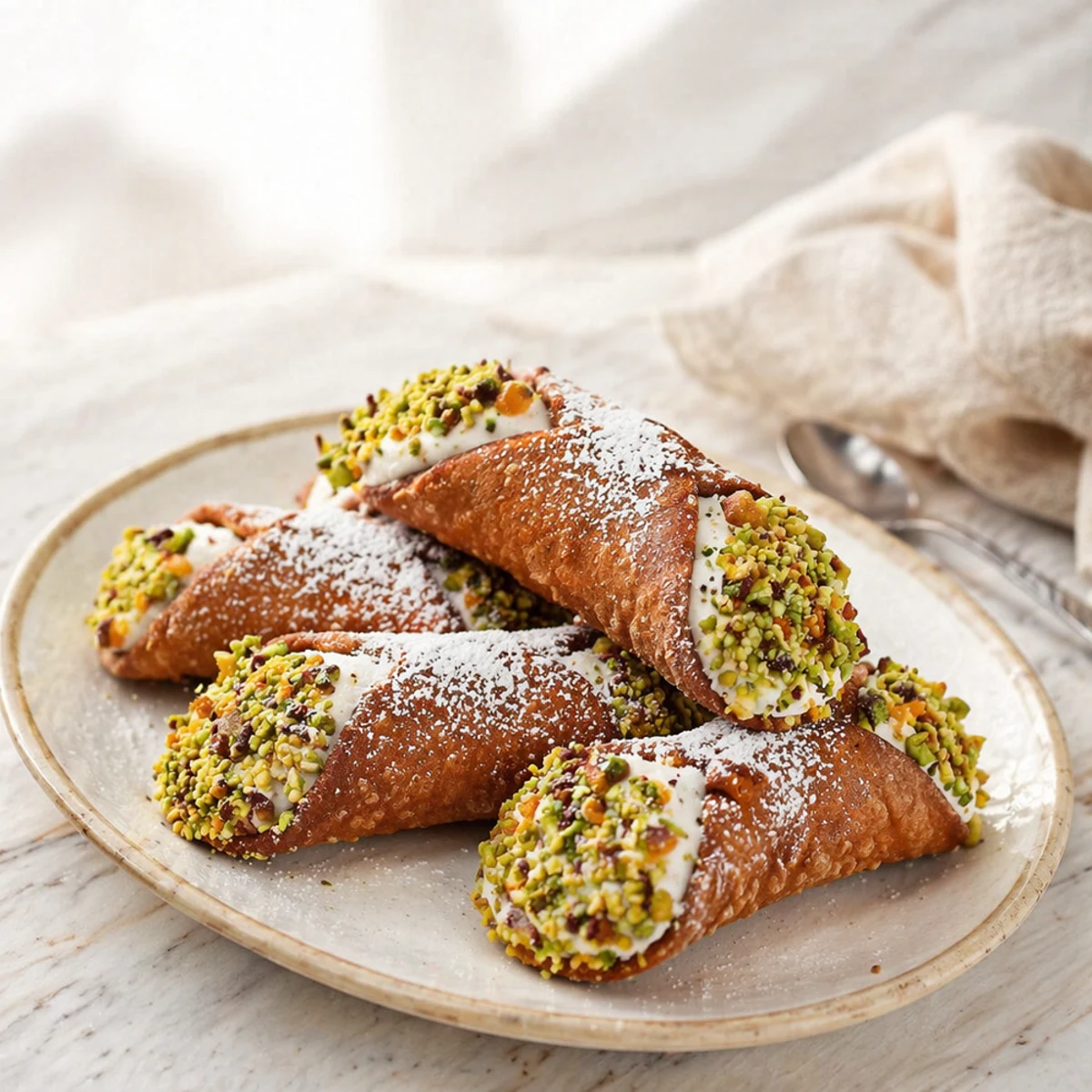
Cannoli are one of Sicily’s most beloved desserts, and for good reason. At their best, they capture everything people adore about Sicilian pastry: contrast, fragrance, texture, and a sense of celebration. This traditional cannoli is built around a crisp fried shell and a filling that is cool, creamy, and lightly sweet. In this authentic sicilian cannoli recipe, the shell is not just a vessel; it is part of the experience, providing that signature snap before giving way to the rich filling inside.
Historically, cannoli are tied to Sicilian culinary identity and the island’s layered cultural influences. Arab, Spanish, and Italian traditions all helped shape Sicily’s dessert culture, and cannoli reflect that heritage beautifully. Today, they remain a symbol of hospitality and festivity, often served during holidays, family gatherings, and special occasions. A pistachio version feels especially Sicilian, since Bronte pistachios are prized for their vivid green color, intense aroma, and naturally buttery flavor.
This sicilian cannoli recipe stands out because it balances richness with brightness. Fresh ricotta keeps the filling light and tangy, candied orange peel adds sparkle, and pistachios bring both crunch and depth. It is a dessert that feels luxurious without being fussy. For readers searching for an authentic italian cannoli recipe, this version captures the spirit of the classic while keeping the flavors clear, balanced, and approachable for home cooks.
Key Ingredients & Their Role
A great italian cannoli recipe depends on a few key ingredients working in harmony. The first and most important is fresh ricotta. It gives the filling its creamy body, delicate tang, and airy texture. Unlike heavier frostings or custards, ricotta keeps the dessert from becoming cloying. For the best results, drain it well so the filling stays smooth and pipeable.
Candied orange peel adds another layer of personality. Its citrusy sweetness cuts through the richness of the ricotta and keeps each bite bright. In a traditional cannoli filling recipe, this little burst of orange is often what makes the dessert feel unmistakably Sicilian. It lifts the flavor profile and adds a fragrant note that works beautifully with sweet wine.
Then there are the Bronte pistachios, which are the jewel of this dessert. Their flavor is deeper and more aromatic than standard pistachios, with a buttery, almost floral quality. They add crunch to the shell edges and a savory-sweet contrast that keeps the filling interesting. In a well-made authentic cannoli filling recipe, pistachios are not just garnish—they are part of the structure of the flavor.
Powdered sugar sweetens the filling without graininess, while vanilla softens the edges and rounds out the ricotta. If you are making an authentic italian cannoli recipe for a wine pairing dinner, these ingredients matter even more because they determine how the dessert interacts with the wine. Too much sugar can overpower a delicate wine, while too much richness can flatten the finish. The goal is balance: sweet, creamy, citrusy, and nutty. That balance is what makes this dessert such a strong match for aromatic dessert wines and late-harvest styles.
Recipe
Sicilian Cannoli with Pistachio
Prep time: 25 minutes
Cook time: 0 minutes if using ready-made shells; 15 minutes if filling shells only
Chill time: 30 minutes
Total time: 55 minutes
Servings: 8 cannoli
Difficulty: Easy to moderate
Ingredients
- 1 1/2 cups fresh ricotta, well drained
- 1/2 cup powdered sugar, plus more for dusting
- 1/2 teaspoon vanilla extract
- 1/4 teaspoon ground cinnamon
- 1/3 cup candied orange peel, finely chopped
- 1/4 cup Bronte pistachios, finely chopped
- 8 cannoli shells
- 2 tablespoons chopped pistachios, for garnish
- 2 tablespoons mini chocolate chips, optional
Instructions
- Drain the ricotta. Place the ricotta in a fine-mesh sieve or cheesecloth-lined strainer for at least 30 minutes, or longer if needed. This helps the filling stay thick and creamy.
- Make the filling. In a bowl, combine the ricotta, powdered sugar, vanilla, and cinnamon. Stir until smooth and well blended.
- Fold in the flavorings. Add the candied orange peel and chopped Bronte pistachios. Mix gently so the filling stays light.
- Chill the filling. Cover and refrigerate for 30 minutes to let the flavors settle and the texture firm up.
- Fill the shells. Transfer the filling to a piping bag or zip-top bag with the corner snipped off. Pipe into each cannoli shell from both ends.
- Garnish. Dip the ends in chopped pistachios and add mini chocolate chips if using. Dust lightly with powdered sugar.
- Serve immediately. Cannoli are best enjoyed soon after filling so the shells stay crisp.
Nutrition Facts
Per 1 cannoli, approximate:
- Calories: 240
- Fat: 12g
- Saturated Fat: 6g
- Carbohydrates: 26g
- Sugar: 16g
- Protein: 7g
- Sodium: 90mg
- Fiber: 1g
Dietary Information
- Vegetarian: Yes
- Gluten-free: No
- Dairy-free: No
- Nut-free: No
- Make-ahead friendly: Filling yes, assembled cannoli no
Perfect Wine Pairings
The best wine pairing for Sicilian cannoli with pistachio should echo the dessert’s sweetness while keeping the palate refreshed. Because this italian cannoli recipe is creamy, sweet, and lightly citrusy, you want a wine with aromatic lift, enough residual sugar, and a clean finish. Dessert wines and sweet sparkling wines are ideal because they mirror the dessert’s richness without making it feel heavy.
The strongest verified match is Marsala Superiore Dolce by Florio from Sicily, which makes perfect sense both culturally and flavor-wise. Its sweet profile and Sicilian origin create a natural bridge to the dessert, and its grape blend of Grillo and Catarratto adds complexity that can stand up to ricotta, orange peel, and pistachio. If you want the most regionally authentic choice for a sicilian cannoli recipe, this is the one to reach for.
For a lighter, more playful option, Brachetto d´Acqui by Braida is a beautiful match. Its aromatic character and gentle sweetness work especially well if you like your dessert wines bright and fragrant. Moscato d'Asti by Castiôn is another excellent pick, offering lively freshness and soft sweetness that refresh the palate between bites. These styles are widely available in the U.S. at Total Wine, Trader Joe’s, BevMo, and neighborhood wine shops, often in the $15–30 range.
If you prefer a slightly more refined, floral expression, Nivole by Michele Chiarlo or Ricossa Moscato by Cuvage can be excellent choices, especially when you want the wine to feel elegant rather than heavy. For a more distinctive alternative, Riesling Beerenauslese by Dr Loosen brings concentrated sweetness and acidity, which can be a lovely contrast to the creamy filling. In an authentic cannoli filling recipe, the ricotta and citrus are gentle enough to welcome wines with perfume and freshness, so look for low tannin, moderate body, and vibrant acidity.
If you are using Gastrona to explore a wine recommendation for dessert, these styles are a smart starting point: sweet Marsala, Moscato d’Asti, Brachetto, and late-harvest Riesling. They all support the same goal—making each bite of this traditional cannoli taste a little brighter, cleaner, and more complete.
Cooking Tips & Techniques
The biggest secret to a successful italian cannoli recipe is texture. Ricotta must be drained properly, or the filling will turn loose and watery. If you have time, drain it overnight in the refrigerator for the best result. This step is especially important in an authentic italian cannoli recipe because the filling should be thick enough to hold its shape without feeling dense.
Another key tip: do not fill the shells too early. Cannoli shells are meant to stay crisp, and once the filling goes in, the clock starts ticking. For the best crunch, pipe the filling shortly before serving. If you are hosting, prepare the filling ahead of time and keep the shells separate until the last minute.
Taste the filling before assembling. Ricotta varies in sweetness and moisture, so you may need a little more powdered sugar or a touch more vanilla. Be careful not to overdo the orange peel, either. You want a fragrant citrus note, not a marmalade effect. The same goes for pistachios: finely chopped pieces distribute better and make the filling feel more balanced.
If you are making this sicilian cannoli recipe for a dinner party, consider setting up a small filling station. It keeps the shells crisp and makes the dessert feel interactive and fun. That approach works especially well when paired with a sweet wine flight.
Serving Suggestions
Serve Sicilian cannoli on a simple white platter or a rustic ceramic board so the green pistachios and snowy powdered sugar stand out. A few curls of orange zest or extra chopped pistachios around the plate can make the presentation feel polished without looking overdone. Because this traditional cannoli is rich and delicate, it is best served after a lighter meal or alongside coffee, espresso, or dessert wine.
For a more complete Sicilian-inspired finish, pair the cannoli with fresh berries, almond cookies, or a small bowl of citrus segments. If you are serving wine, keep the pours modest and chilled. Sweet wines shine brightest when they are cool and balanced. This is the kind of dessert that turns a casual dinner into an occasion, especially when you use Gastrona to guide the wine pairing and create a memorable final course.
Frequently Asked Questions
What wine goes with Sicilian Cannoli with Pistachio?
The best wine with Sicilian Cannoli with Pistachio is a sweet, aromatic dessert wine such as Marsala Dolce, Moscato d’Asti, or Brachetto d’Acqui. These wines complement the ricotta’s creaminess, the candied orange’s brightness, and the pistachio’s nutty depth without overpowering the dessert.
What is the best wine pairing for Italian cannoli recipe desserts?
For an italian cannoli recipe, look for wines with sweetness, fresh acidity, and low tannins. Sweet Marsala is the most classic choice, while Moscato and Brachetto offer a lighter, fruitier style. The goal is to match the dessert’s sweetness and keep the palate refreshed.
Can I make Sicilian cannoli ahead of time?
Yes, but only partially. The filling can be made ahead and chilled for up to 24 hours. The shells should stay separate until just before serving so they remain crisp. For the best texture, fill the cannoli shortly before guests arrive.
What makes this a traditional cannoli recipe?
This traditional cannoli uses the classic Sicilian combination of ricotta, candied citrus, and pistachio. Those ingredients create the familiar balance of sweet, creamy, and slightly tangy flavors that define an authentic cannoli experience.
Is Marsala a good wine with Sicilian cannoli?
Yes, Marsala is one of the most natural pairings for cannoli. A sweet Marsala, especially from Sicily, mirrors the dessert’s richness and adds caramel, dried fruit, and nutty notes that work beautifully with ricotta and pistachio.
Where can I buy wine for Sicilian cannoli in the U.S.?
In the U.S., you can often find suitable dessert wines at Total Wine, Trader Joe’s, BevMo, local wine shops, and many grocery stores. Look for Moscato d’Asti, Brachetto, sweet Marsala, or late-harvest Riesling in the $15–30 range.
Conclusion
This italian cannoli recipe is proof that a dessert can be both simple and memorable. With crisp shells, creamy ricotta, candied orange, and Bronte pistachios, it delivers the kind of sweet, textured finish that feels special every time. Whether you choose a classic Marsala or a bright Moscato, the right wine pairing turns this sicilian cannoli recipe into a true dining moment. Use Gastrona to discover your ideal match, and let every bite—and sip—bring a little more Sicily to your table.