

Introduction
Tiramisù is one of those desserts that feels effortlessly luxurious: silky mascarpone, coffee-soaked ladyfingers, and a dusting of cocoa that brings just enough bitterness to keep every bite interesting. It’s a dish that can turn an ordinary dinner into something memorable, especially when served after a special meal with the right glass beside it. If you’ve ever wondered about the best wine with Tiramisù, the answer is all about balance—sweetness, creaminess, coffee, and a wine that can meet those flavors without overpowering them.
In the United States, tiramisù has become a restaurant staple and a home-baking favorite, loved for its make-ahead ease and crowd-pleasing flavor. It also happens to be a dessert with incredible wine pairing potential. Whether you’re planning a dinner party, a holiday menu, or simply want to elevate a weeknight treat, this tiramisù recipe and wine pairing guide will help you serve it beautifully. And yes, even if you came here searching for a banana bread recipe, this dessert deserves a place in your rotation of comforting, shareable classics.
About This Dish
Tiramisù is a modern Italian classic with roots in the Veneto region, though like many beloved dishes, its exact origin story is debated. What’s not debated is its appeal: tiramisù delivers a layered contrast of textures and flavors that feels both rustic and refined. The name is often translated as “pick me up,” a nod to the espresso and the energizing effect of coffee, sugar, and cocoa coming together in one spoonful.
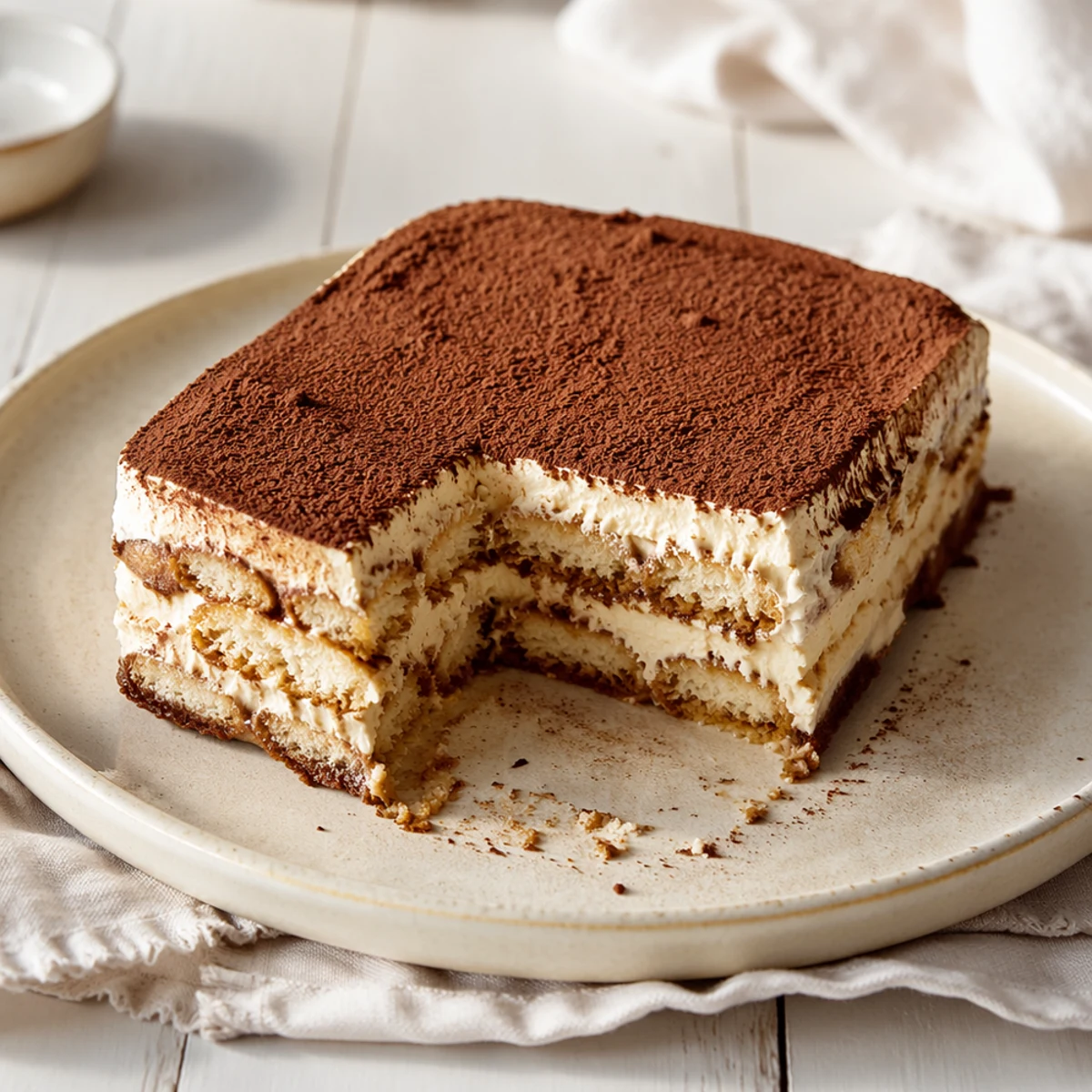
What makes tiramisù special is how little it asks of you while giving so much in return. It doesn’t rely on baking, which makes it approachable for home cooks, yet the final result feels elegant enough for celebrations. The creamy mascarpone filling creates richness, the savoiardi provide structure, and the coffee brings aromatic depth. Cocoa on top adds a dry, slightly bitter finish that keeps the dessert from becoming overly sweet.
In American food culture, tiramisù has earned a place alongside other comforting desserts that are easy to share and easy to love. It works for birthdays, holidays, dinner parties, and romantic meals alike. It also pairs naturally with wine, which is part of why it remains such a favorite for food and wine lovers. If you enjoy exploring dessert pairings the way you might explore a banana bread recipe variation or a meringue recipe for a special occasion, tiramisù rewards that same curiosity with a more sophisticated finish.
Key Ingredients & Their Role
The beauty of tiramisù lies in the harmony of a few key ingredients, each one playing a clear role in the final flavor profile. Savoiardi, or ladyfingers, are essential because they act like the structural backbone of the dessert. Their light, airy texture absorbs espresso quickly, creating soft layers without turning the dessert heavy. That coffee soak is crucial: it adds bitterness, aroma, and intensity, all of which help balance the sweetness of the cream.
Mascarpone is the ingredient that gives tiramisù its unmistakable luxurious texture. It’s rich, smooth, and slightly tangy, which helps keep the dessert from tasting flat. The egg yolks and sugar are whisked together to build a pale, creamy base that adds sweetness and body, while the whipped egg whites lighten the mixture and give the filling its airy, mousse-like feel. A pinch of salt may seem minor, but it sharpens flavor and keeps the sweetness in check.
Then there’s cocoa powder, which does more than decorate the top. Its dry bitterness adds a final layer of contrast and makes each spoonful feel complete. When you think about wine pairing, this balance of sweet, bitter, creamy, and coffee-forward flavors is exactly what matters. A good dessert wine should complement the mascarpone, echo the coffee’s warmth, and avoid clashing with the cocoa. That’s why tiramisù pairs so beautifully with sweet sparkling wines, fortified wines, and luscious late-harvest styles.
If you enjoy recipe-driven flavor balance, the same logic applies to a candied pecans recipe or even a funnel cake recipe: sweetness needs contrast, and texture matters just as much as taste. Tiramisù simply does it with more elegance.
Recipe
Tiramisù Recipe
| Prep Time | 25 minutes |
|---|---|
| Cook Time | 5 minutes |
| Total Time | 30 minutes |
| Servings | 4 |
| Difficulty | Moderate |
Ingredients:
- 150g Savoiardi (ladyfingers)
- 250g Mascarpone cheese
- 3 Eggs (large, fresh)
- 75g Granulated sugar
- 200ml Espresso coffee (strong, freshly brewed)
- 2 tbsp Unsweetened cocoa powder
- pinch Salt
Instructions:
- Brew 200ml of strong espresso coffee. Allow it to cool to room temperature.
- Separate the egg whites and yolks into two different bowls. Be careful not to let any yolk mix with the whites.
- In the bowl with the yolks, add 75g of sugar. Whisk together until pale and creamy. Add the mascarpone cheese and mix until smooth.
- In the bowl with the egg whites, add a small pinch of salt. Beat the egg whites until stiff peaks form.
- Gently fold the beaten egg whites into the mascarpone mixture. Use a spatula and fold lightly to preserve the airy texture.
- Dip each savoiardi biscuit quickly into the cooled espresso, ensuring they absorb some coffee but do not become soggy.
- Layer the bottom of a serving dish (about 20x20cm) with a layer of coffee-dipped savoiardi. Spread half of the mascarpone mixture over the top.
- Add another layer of coffee-dipped savoiardi, followed by the remaining mascarpone mixture. Smooth the top using a spatula.
- Refrigerate the tiramisù for at least 4 hours or overnight to allow the flavors to set and meld together.
- Before serving, sift the unsweetened cocoa powder evenly over the top layer for a professional finish. Serve chilled.
Nutrition Facts (per serving):
- Calories: 340 kcal
- Protein: 7,0g
- Fat: 20,0g
- Carbohydrates: 38,0g
- Salt: 0,1g
Dietary Information: Contains gluten, Contains dairy, Nut-free
Perfect Wine Pairings
The best wine with Tiramisù is one that respects the dessert’s creamy texture, coffee bitterness, and gentle sweetness. In practice, that usually means a wine with enough sweetness to match the dessert, enough acidity to keep it lively, and enough aromatic character to stand up to espresso and cocoa. If you’re shopping in the U.S., you’ll find excellent options at Total Wine, Trader Joe’s, BevMo, and many local wine shops, typically in the $15–30 range.
A standout pairing is Brachetto d’Acqui by Braida from Piemonte, Italy. With its bright, fragrant profile and high pairing score, it’s a beautiful match for tiramisù because it brings freshness without overwhelming the dessert. It’s lightly sparkling, aromatic, and playful—ideal when you want a wine that feels celebratory and dessert-friendly.
Another excellent choice is Vinsanto Serelle by Ruffino from Tuscany. This style is a classic with creamy desserts because its rich, nutty, and dried-fruit character mirrors tiramisù’s depth while complementing the coffee notes. It’s a more traditional, contemplative pairing—perfect for a slower dinner ending.
For something lush and deeply sweet, Marsala Superiore Dolce by Florio from Sicily works beautifully. Its fortified richness and caramelized complexity can echo the cocoa and mascarpone, making it a strong option when you want a more decadent finish. If you prefer a wine with honeyed, apricot-driven brightness, Tokaji Aszù 5 Puttonyos by Château Dereszla offers intensity and acidity in equal measure, which helps refresh the palate between bites.
If you want the most accessible, crowd-pleasing style, look for a Moscato d’Asti from Piemonte. It’s gently sparkling, low in alcohol, and fragrant with stone fruit and orange blossom. That lift makes it especially appealing after a rich meal. For American wine lovers who enjoy balancing Old World charm with value, these styles are easy to find and easy to love. Gastrona can help you compare these options and find the best dessert wine for tiramisù based on what’s available near you.
Cooking Tips & Techniques
The biggest secret to great tiramisù is texture control. Dip the ladyfingers quickly—just a brief soak in cooled espresso is enough. If they sit too long, they’ll collapse and make the dessert heavy. You want them softened, not soaked through. This is one of those small details that separates an average dessert from a truly elegant one.
When whipping the egg whites, make sure your bowl and whisk are clean and free of grease. Even a trace of fat can prevent the whites from reaching stiff peaks. Fold them into the mascarpone mixture gently; the goal is to keep as much air in the filling as possible. That airy lift is what gives tiramisù its cloud-like texture.
Use high-quality espresso if you can. Since coffee is one of the dominant flavors, weak coffee will taste flat in the finished dessert. Likewise, don’t skip the chilling time. Tiramisù needs several hours in the refrigerator for the layers to set and the flavors to meld. Overnight is even better if you have the time.
If you’re exploring desserts with similar texture challenges, the same patience you’d use for a meringue recipe will serve you well here. And if you like building flavor contrast the way you would in a banana bread recipe or butterbeer recipe, remember that the balance of sweet, bitter, and creamy is what makes tiramisù shine.
Serving Suggestions
Serve tiramisù chilled, ideally in a square dish or in individual glasses for a more polished presentation. A final dusting of cocoa right before serving gives it a classic look and keeps the top from getting damp. For a restaurant-style finish, add a few chocolate shavings or a light cocoa stencil.
Because tiramisù is rich, smaller portions are often best, especially after a full meal. Pair it with a demitasse of espresso if you want to lean into the coffee theme, or present it with your chosen dessert wine for a more indulgent experience. Fresh berries on the side can add brightness, though they’re optional.
For a dinner party, tiramisù feels especially elegant when served after Italian-inspired dishes, roasted meats, or a seafood course. If you’re planning a full menu, you might even build the meal around a pairing-friendly progression, using ideas from a shrimp risotto or another refined starter before ending with dessert and wine. The goal is a table that feels relaxed, thoughtful, and quietly celebratory.
Frequently Asked Questions
What wine goes with Tiramisù?
The best wine with Tiramisù is usually a sweet, aromatic style with enough acidity to balance the mascarpone. Moscato d’Asti, Brachetto d’Acqui, Vinsanto, Marsala Dolce, and Tokaji Aszú all work well. The key is avoiding dry wines that taste harsh next to coffee and cocoa.
Is Moscato a good Tiramisù wine pairing?
Yes, Moscato is one of the easiest and most popular Tiramisù wine pairing choices. Its sweetness, floral aroma, and gentle bubbles make it refreshing after a rich dessert. Look for Moscato d’Asti if you want a lighter, lower-alcohol option that won’t overpower the tiramisù.
Can I serve red wine with Tiramisù?
Usually, light, sweet red styles work better than tannic reds. A fragrant, gently sparkling red like Brachetto d’Acqui can be excellent because it has sweetness and freshness. Bold dry reds tend to clash with the coffee and make the dessert taste more bitter.
What is the best dessert wine for Tiramisù?
There isn’t just one best dessert wine for Tiramisù, but Vinsanto, Marsala Dolce, and Tokaji Aszú are all outstanding choices. Each brings sweetness, complexity, and enough structure to match the creamy filling and espresso notes without flattening the flavor.
Can I make tiramisù ahead of time?
Absolutely. In fact, tiramisù is better when made ahead because the flavors need time to meld and the layers need to set. Refrigerate it for at least 4 hours, but overnight is ideal. That makes it a great choice for entertaining and wine-paired dinners.
Is tiramisù supposed to taste bitter?
A little bitterness is part of what makes tiramisù so appealing. The espresso and cocoa create contrast that balances the sweet mascarpone cream. If the dessert tastes too bitter, it may have been over-soaked or made with very strong coffee, but a gentle bitter edge is normal and desirable.
Conclusion
Tiramisù is proof that a dessert can be simple to assemble and still feel deeply special. With its creamy mascarpone layers, coffee-soaked ladyfingers, and cocoa finish, it offers the perfect balance of sweetness and bitterness—exactly the kind of profile that makes wine pairing so rewarding. Whether you choose Brachetto d’Acqui, Vinsanto, Marsala Dolce, or Moscato d’Asti, the right glass can turn this classic into a truly memorable finale.
If you love discovering pairings that make everyday cooking feel more elevated, Gastrona can help you find the perfect match for tiramisù and beyond. Try this tiramisù recipe, pour a thoughtful wine, and enjoy how a well-chosen pairing can transform dessert into an experience.