

Introduction
If you love a pasta dinner that feels both comforting and a little luxurious, Lasagnette Bolognese is a dish worth making on repeat. It has the soul of a slow-cooked ragù, the creaminess of ricotta, and the satisfying bite of ribbon-like pasta that catches every bit of sauce. In many ways, it delivers the same crowd-pleasing appeal people look for in a sheet pan fajita recipe: bold flavor, easy sharing, and a meal that brings everyone to the table. But here, the payoff is Italian comfort instead of Tex-Mex spice.
For wine lovers, Lasagnette Bolognese is especially exciting because it gives you so many pairing options. The dish’s savory beef, sweet tomatoes, and creamy ricotta create a rich, layered profile that can handle wines with structure, acidity, and depth. That means you can go classic with Italian reds, explore a California Cabernet blend, or even reach for a bright Barbera that keeps each bite lively. If you’ve ever wondered what wine goes with Lasagnette Bolognese, this guide will help you choose with confidence.
About This Dish
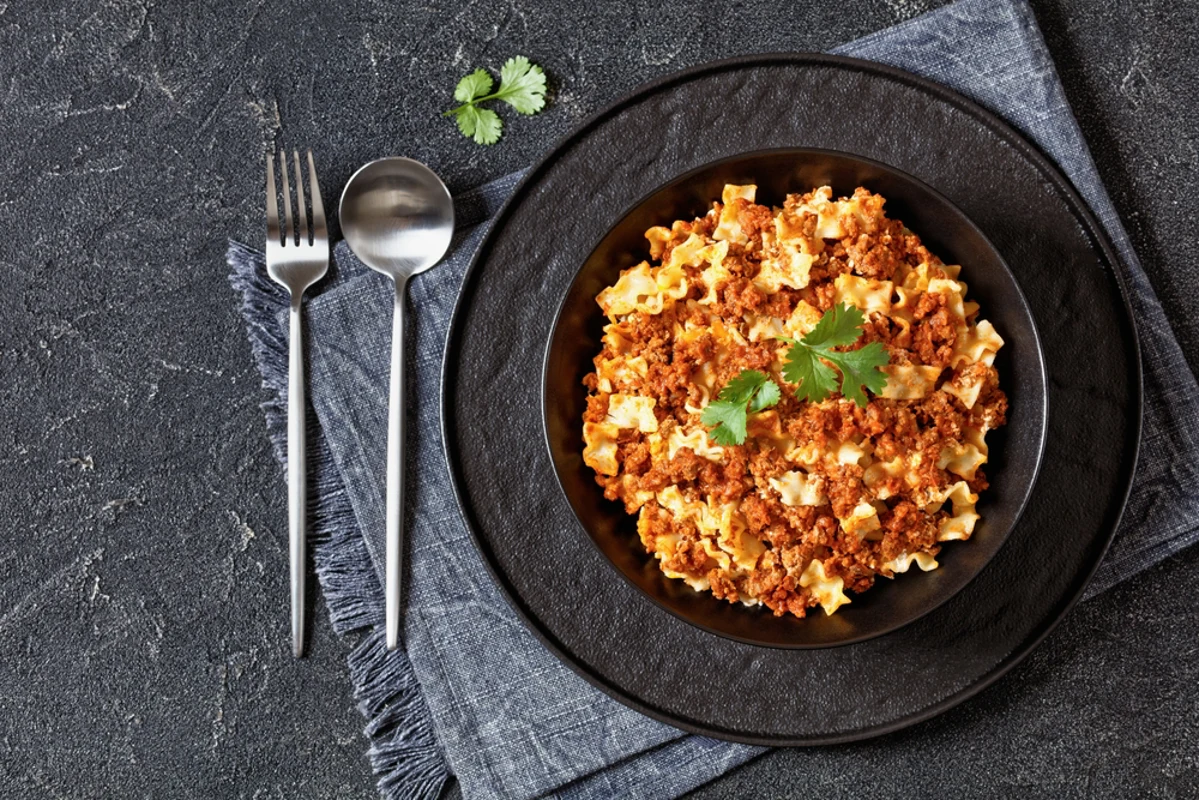
Lasagnette Bolognese sits in that delicious space between rustic tradition and modern comfort food. The name itself suggests a pasta shape related to lasagna, but in a more elegant, narrow form that feels perfect for spooning up with a rich meat sauce. Think of it as a dish that borrows the heart of classic Bolognese cooking and gives it a slightly more refined presentation. It is hearty, familiar, and deeply satisfying without feeling heavy or fussy.
Bolognese sauce has long been associated with northern Italian cooking, where meat-based ragùs are built patiently with aromatics, tomatoes, and sometimes dairy to soften and round out the flavor. Ricotta adds a creamy, almost cloud-like contrast here, making the sauce more plush and balanced. That contrast is part of what makes Lasagnette Bolognese so appealing to American home cooks: it feels both special and approachable. It is the kind of dish that works for a family dinner, a casual date night, or a dinner party where you want to impress without overcomplicating things.
If you enjoy layered pasta dishes like baked rigatoni, you’ll appreciate how Lasagnette Bolognese uses texture as much as flavor. Each forkful brings salt, umami, creaminess, and a touch of sweetness from the tomatoes and vegetables. That balance is also what makes it such a rewarding wine pairing dish.
Key Ingredients & Their Role
The beauty of Lasagnette Bolognese lies in how a handful of everyday ingredients come together to create something deeply flavorful. The ground beef is the backbone: it brings savory depth, richness, and that meaty umami character people crave in a Bolognese-style sauce. When browned properly, it develops caramelized notes that add complexity and make the sauce taste fuller.
Tomatoes are the next essential layer. Crushed tomatoes provide acidity and brightness, while tomato paste concentrates sweetness and body. Together, they keep the sauce from tasting flat and help balance the richness of the beef and ricotta. Onion, garlic, carrot, and celery form the classic aromatic base. The onion and garlic bring pungency and warmth, while carrot and celery soften into the sauce and add subtle sweetness and freshness. This vegetable foundation is what gives the dish its depth.
Ricotta is what makes this version especially inviting. It adds creaminess and a gentle dairy sweetness that mellows the acidity of the tomatoes and rounds out the sauce. Parmesan contributes salty, nutty sharpness, and parsley brings a clean herbal finish. Lasagnette pasta, with its wide surface and slightly curled shape, is ideal for catching the sauce. If you love the satisfying texture of rigatoni bolognese or the elegant feel of tagliatelle bolognese, this dish lands in that same comforting family.
From a wine pairing perspective, these ingredients matter a lot. The beef and Parmesan call for wines with tannin and structure, while the tomatoes and ricotta benefit from acidity and freshness. That’s why the best wine for Lasagnette Bolognese often has both energy and depth. You want a wine that can stand up to the umami while staying bright enough to keep each bite lively.
Recipe
Lasagnette Bolognese
| Prep Time | 60 minutes |
|---|---|
| Cook Time | 20 minutes |
| Total Time | 80 minutes |
| Servings | 4 |
| Difficulty | Moderate |
Ingredients:
- 300 g Lasagnette pasta
- 400 g Ground beef
- 400 g Crushed tomatoes
- 2 tbsp Tomato paste
- 1 medium, finely chopped Onion
- 2 cloves, minced Garlic
- 1 medium, finely grated Carrot
- 1 stalk, finely chopped Celery
- 3 tbsp Olive oil
- 1 cube (or 1 tbsp liquid beef stock) Beef stock cube
- 1/2 cup Water
- 250 g Ricotta cheese
- 50 g, finely grated Parmesan cheese
- 2 tbsp, finely chopped Fresh parsley
- to taste Salt
- to taste Black pepper
Instructions:
- Heat 3 tbsp olive oil in a large pan over medium heat. Add finely chopped onion, minced garlic, grated carrot, and chopped celery. Sauté for 5-7 minutes until softened.
- Add the ground beef to the pan. Cook for 8-10 minutes, breaking up the meat with a spoon, until browned evenly.
- Stir in 2 tbsp tomato paste and cook for 2 minutes. Then add the crushed tomatoes, 1 beef stock cube (or 1 tbsp liquid beef stock), and 1/2 cup water. Season with salt and black pepper to taste. Simmer on low heat for 30-40 minutes, stirring occasionally.
- Bring a large pot of salted water to a boil. Cook 300 g lasagnette pasta according to package instructions until al dente. Drain and set aside.
- Reduce heat on the meat sauce and stir in 250 g ricotta cheese until incorporated. Adjust seasoning if necessary.
- Add the cooked lasagnette pasta to the meat and ricotta sauce. Toss gently to combine and heat through for 2-3 minutes.
- Plate the lasagnette Bolognese in individual bowls. Sprinkle finely grated Parmesan cheese and freshly chopped parsley over each serving for garnish.
Nutrition Facts (per serving):
- Calories: 620 kcal
- Protein: 38.0g
- Fat: 32.0g
- Carbohydrates: 58.0g
- Salt: 2.2g
Dietary Information: Contains gluten, Contains dairy, Nut-free
Perfect Wine Pairings
Lasagnette Bolognese is rich, savory, and layered, so the best wine pairing needs to do three things well: cut through the creaminess, support the beefy umami, and stay bright enough to keep the dish from feeling too heavy. That usually means medium-to-full-bodied reds with good acidity and moderate tannins. Because the sauce includes tomatoes and ricotta, wines with freshness are especially important. A wine that is too soft can taste dull next to the dish, while one that is too tannic can feel harsh.
One of the strongest matches is Barbera d’Asti Superiore or Briccotondo Barbera. Barbera is a natural fit because it brings juicy acidity, ripe red fruit, and low-to-moderate tannin. That acidity works beautifully with tomato sauce, while the fruit keeps the pairing friendly and accessible. If you’re shopping at Total Wine, Trader Joe’s, BevMo, or a good local wine shop, Barbera is often a smart value pick in the $15–30 range.
For a more structured Italian option, Valpolicella Ripasso and Amarone della Valpolicella are excellent choices. The verified pairing data favors Amarone della Valpolicella by Casteloro and Amarone della Valpolicella Classico by Allegrini, both scoring 91/100, as well as Castelmare Valpolicella Ripasso Superiore by Cantina Valpolicella Negrar at 88/100. Ripasso offers dark cherry, spice, and a velvety texture that complements the beef and ricotta, while Amarone brings deeper dried-fruit richness for a more indulgent dinner. These are especially appealing if you want a special-occasion bottle from Italian imports.
If you prefer a domestic wine, Tignanello by Antinori is a standout style reference, combining Cabernet Sauvignon and Sangiovese with the power and freshness needed for Lasagnette Bolognese. In the U.S. market, think in terms of California or Washington reds with similar balance: Cabernet-based blends, Sangiovese-driven wines, or even an Oregon Pinot Noir if you want something lighter and more aromatic. A Pinot Noir from Oregon can work if the sauce is not overly heavy, especially because its acidity and red-fruit profile echo the tomato base.
When choosing the best wine for Lasagnette Bolognese, look for medium to medium-full body, bright acidity, and enough savory character to echo the beef and Parmesan. If you enjoy exploring pairings through Gastrona, this is exactly the kind of dish where the app can help you move from broad wine recommendation to a bottle that feels tailored to your table.
Cooking Tips & Techniques
A great Lasagnette Bolognese starts with patience. The first key step is properly sautéing the onion, garlic, carrot, and celery. Don’t rush this stage; you want the vegetables softened and fragrant, not browned too quickly. That gentle cooking builds sweetness and gives the sauce a rounder flavor. The same goes for the beef: let it brown well before stirring too much. Browning equals flavor.
Another important tip is to simmer the sauce long enough for the tomatoes and stock to mellow into the meat. Even though the recipe is relatively quick compared with a traditional ragù, those 30–40 minutes make a big difference. If the sauce tastes sharp, it usually just needs more time. A small splash of water can help keep it loose as it simmers.
When adding ricotta, lower the heat first. Ricotta can separate if the sauce is too hot, so fold it in gently until the texture becomes creamy and cohesive. Also, be sure to cook the pasta al dente. Lasagnette should have enough bite to hold up under the sauce. If you overcook it, the dish can turn soft and lose its elegant texture.
Finally, season at the end. Parmesan adds saltiness, stock adds depth, and the sauce may reduce more than expected. Taste before serving and adjust carefully. If you like dishes such as an easy meatball recipe or a garlic noodles recipe, this same principle applies: simple ingredients shine when seasoned and cooked with intention.
Serving Suggestions
Serve Lasagnette Bolognese in warm shallow bowls so the sauce settles around the pasta instead of sinking to the bottom. A final shower of Parmesan and fresh parsley adds color, aroma, and a little sharpness that wakes up the plate. If you want a more polished presentation, drizzle a tiny bit of good olive oil over the top just before serving.
This is a hearty main dish, so keep sides simple. A crisp green salad with a lemony vinaigrette, roasted broccoli, or garlicky green beans works well without competing with the sauce. For bread, choose something rustic and neutral, like a crusty baguette or Italian loaf, to mop up the leftovers. If you’re building a dinner around wine, keep the rest of the menu balanced and unfussy so the pairing remains the star.
For a cozy dinner party, pair the meal with candlelight, a decanter if you’re serving a fuller red, and a relaxed pace. Lasagnette Bolognese feels at home in both casual and elegant settings, which is part of its charm.
Frequently Asked Questions
What wine goes with Lasagnette Bolognese?
The best wine with Lasagnette Bolognese is usually a red with good acidity and moderate tannins. Barbera, Valpolicella Ripasso, Amarone, and Sangiovese-based blends all work well because they complement the tomato, beef, and ricotta without overpowering the dish.
Is Barbera a good wine pairing for Lasagnette Bolognese?
Yes, Barbera is one of the easiest and most reliable pairings. Its bright acidity matches the tomatoes, while its juicy fruit keeps the dish tasting fresh. It’s also widely available in the U.S. at retailers like Total Wine, Trader Joe’s, and local wine shops.
Can I serve Pinot Noir with Lasagnette Bolognese?
Yes, especially an Oregon Pinot Noir. Choose one with enough body and acidity to stand up to the sauce. It works best if you prefer a lighter, more elegant red rather than a deeply structured one. Keep in mind that richer versions of the dish may call for a fuller wine.
What is the best Italian wine for Lasagnette Bolognese?
Valpolicella Ripasso and Amarone are excellent Italian choices. Ripasso gives you balance and lift, while Amarone adds richness and depth. Based on the verified pairing data, Amarone della Valpolicella by Casteloro and Amarone della Valpolicella Classico by Allegrini are especially strong matches.
Can I make Lasagnette Bolognese ahead of time?
Yes. The sauce can be made ahead and refrigerated, which actually improves the flavor. Cook the pasta fresh if possible, then combine everything just before serving. If you’re planning wine pairing for a dinner party, make the sauce a day early so you can focus on the bottle selection and presentation.
Conclusion
Lasagnette Bolognese is the kind of dish that reminds you why pasta never goes out of style: it is comforting, generous, and full of character. With its savory beef sauce, creamy ricotta, and satisfying pasta shape, it offers plenty of room for thoughtful wine pairing. Whether you reach for Barbera, Ripasso, Amarone, or a balanced California blend, the right bottle can make the meal feel unforgettable.
If you’ve been searching for the best wine for Lasagnette Bolognese, this is your sign to cook it, pour something delicious, and enjoy the process. And if you want even more confidence choosing the perfect match, Gastrona makes discovering wine pairing ideas simple, approachable, and fun. In the end, that’s what great dining is all about: good food, great wine, and a table worth lingering at.