


Introduction
If you love elegant seafood with a luxurious feel, langostino lobster is the kind of dish that instantly makes dinner feel special. Lobster Dubhghlasach is all about contrast and harmony: sweet lobster, silky butter, and a bright splash of orange juice that lifts the richness without overpowering it. The result is indulgent, aromatic, and surprisingly approachable for home cooks. For anyone searching for the best wine pairing with langostino lobster, this dish is a dream because it offers both fat and freshness, which gives wine plenty to work with.
In American food culture, seafood recipes often lean into comfort and celebration at the same time, and that is exactly where this langostino lobster recipe shines. It feels refined enough for a holiday table, yet simple enough to make on a weeknight when you want something memorable. Whether you are exploring cooking lobster tails for the first time or looking for a fresh new seafood dinner idea, this dish delivers that sweet, buttery, citrus-kissed profile that pairs beautifully with bright whites and elegant sparkling wines.
About This Dish
Lobster Dubhghlasach has the kind of name that suggests tradition, and the dish itself carries that same sense of occasion. While it is not as widely known as classic lobster rolls or New England-style lobster dinners, it belongs to the broader family of celebratory seafood dishes built around the natural sweetness of shellfish. The combination of lobster, butter, and orange juice gives it a distinctive personality: rich, glossy, and just a little sunny. That citrus note is what keeps the dish from feeling heavy, turning each bite into something layered rather than one-dimensional.
What makes langostino lobster so appealing is its versatility. It can be served as a refined starter, a main course with simple sides, or even as the centerpiece of a special dinner for two. In the United States, where home cooks are increasingly interested in restaurant-style seafood at accessible price points, this dish fits right in. It also reflects a broader trend in American cooking: borrowing from different culinary traditions and making them feel personal, modern, and welcoming.
If you enjoy seafood recipes that balance richness with brightness, you may also appreciate dishes like a hearty polenta and braised beef with Merlot or a comforting lobster baked e fu noodles in superior broth for a different take on luxurious dinner flavors. Lobster Dubhghlasach sits in that same satisfying space where technique is simple, but the final result feels polished.
Key Ingredients & Their Role
The beauty of langostino lobster Dubhghlasach is that it relies on just a few ingredients, but each one plays a very specific role. The lobster is the star, bringing sweet, delicate seafood flavor and a tender bite. Langostino lobster, in particular, often has a slightly firmer texture and a clean, mildly sweet taste that works well with rich sauces. It is ideal for cooks who want the luxury of lobster without the intimidation factor of a highly elaborate preparation.
Butter is the backbone of the dish. It adds body, gloss, and a silky mouthfeel that coats the lobster and carries the flavor across the palate. In a recipe like this, butter also acts as a bridge between the seafood and the wine pairing. Wines with firm acidity or a touch of oak can stand up to that richness without getting lost.
Orange juice brings the whole dish into focus. Its acidity cuts through the butter, while its natural sweetness echoes the lobster’s own sweetness. That sweet-savory balance is what makes this langostino lobster recipe so appealing. The citrus note also opens the door to more pairing options, especially wines with citrus-driven aromatics, crisp minerality, or creamy texture.
When you think about what wine goes with langostino lobster, the key is balance. You want a wine that can refresh the palate, complement the butter, and not overwhelm the shellfish. That is why Chardonnay, Blanc de Blancs sparkling wine, and bright Albariño style wines often work so well. If you are exploring seafood pairings more broadly, a dish like entrecte with barnaise sauce shows a similar principle on the savory side: richness needs structure, whether from acid, bubbles, or both.
Recipe
Langostino Lobster Dubhghlasach
Prep Time: 15 minutes Cook Time: 15 minutes Total Time: 30 minutes Servings: 4 Difficulty: Easy
Ingredients
- 1 1/2 pounds langostino lobster meat, thawed if frozen
- 6 tablespoons unsalted butter
- 1/2 cup fresh orange juice
- 1 teaspoon orange zest
- 2 cloves garlic, minced
- 1 tablespoon shallot, finely chopped
- 1/2 teaspoon kosher salt
- 1/4 teaspoon black pepper
- 1 tablespoon chopped parsley, for garnish
- 1 teaspoon lemon juice, optional for extra brightness
- Cooked rice, buttered toast, or roasted potatoes, for serving
Instructions
- Pat the langostino lobster meat dry with paper towels.
- In a large skillet over medium heat, melt the butter.
- Add the shallot and garlic, then cook for 1 minute until fragrant but not browned.
- Stir in the orange juice, orange zest, salt, and black pepper. Simmer for 2 to 3 minutes to slightly reduce the sauce.
- Add the langostino lobster meat and gently toss to coat.
- Cook for 3 to 5 minutes, just until the lobster is heated through and tender.
- Taste and add the lemon juice if you want a brighter finish.
- Spoon the lobster and sauce onto warm plates or over your chosen side.
- Garnish with parsley and serve immediately.
Nutrition Facts
Per serving, approximate
- Calories: 290
- Protein: 24g
- Fat: 18g
- Carbohydrates: 8g
- Sugar: 5g
- Sodium: 520mg
- Fiber: 0g
Dietary Information
- Contains shellfish
- Contains dairy
- Gluten-free as written
- Low-carb friendly
- Not vegan or vegetarian
Perfect Wine Pairings
The best wine pairing for langostino lobster is one that respects the dish’s buttery texture while lifting the sweetness of the shellfish and orange. Because this recipe has both richness and citrus, you want wines with enough acidity to refresh the palate and enough texture to feel seamless with the butter. In the U.S., that means you can look confidently at Chardonnay, sparkling wine, and crisp coastal whites that are widely available at Total Wine, Trader Joe’s, BevMo, and local wine shops, usually in the $15-30 range.
The strongest match is Domaine Leflaive Puligny-Montrachet Les Pucelles from Burgundy, which pairs beautifully because Chardonnay’s layered texture and mineral precision echo the lobster’s elegance while standing up to the butter. If you want a domestic option, Schwarze Brut Carneros from Los Carneros is a smart choice: the Chardonnay and Pinot Noir blend brings bubbles, freshness, and a creamy feel that works especially well with rich seafood. For a more classic French white, Chablis Grand Cru 'Les Blanchots' offers Chardonnay with brisk acidity and a flinty edge that cuts through the sauce cleanly.
If you prefer something a little more affordable and easy to find, Blanc de Blancs by Charles Ninot is a great sparkling alternative, especially when you want a celebratory feel without going too heavy. And for drinkers who enjoy a slightly more aromatic profile, Laxas Albariño from Rías Baixas is a wonderful fit, bringing citrus, salinity, and freshness that mirror the orange notes in the dish. The Chardonnay-Viognier blend from Brume Saline can also work nicely if you want a rounder, fruit-forward style.
For shoppers wondering what wine goes with langostino lobster at a practical level, the safest rule is this: choose a white wine with bright acidity, moderate body, and minimal tannin. If you are browsing shelves at Total Wine or Trader Joe’s, look for California Chardonnay from Napa or Sonoma, Oregon Chardonnay, Washington whites, or French and Spanish imports with clean citrus and mineral notes. Gastrona can help you compare options and find the right langostino lobster wine pairing for your taste and budget.
Cooking Tips & Techniques
The biggest secret to success with langostino lobster is not to overcook it. Lobster meat can go from tender to rubbery quickly, especially when it is already cooked or partially cooked before it reaches your pan. Keep the heat at medium, watch the sauce closely, and only cook the lobster long enough to warm it through. That gentle approach preserves the sweet flavor and delicate texture that make the dish shine.
Use fresh orange juice if possible. Bottled juice can work in a pinch, but fresh juice tastes cleaner and gives the sauce a more vivid citrus lift. Zesting the orange before juicing adds another layer of aroma that makes the dish feel brighter and more polished. If the sauce tastes too rich, a small splash of lemon juice can sharpen the finish without changing the character of the recipe.
Another important tip: reduce the orange juice slightly before adding the lobster. This concentrates flavor and helps the butter and citrus come together into a glossy sauce rather than a thin one. If you are experimenting with cooking lobster tails instead of langostino meat, use the same principle—keep the cooking gentle and let the seafood’s natural sweetness lead.
Avoid heavy seasonings that compete with the shellfish. This is not the place for smoky spice blends or strong herbs. The dish is most successful when it stays elegant, simple, and balanced, which is why it also works so well with refined wines.
Serving Suggestions
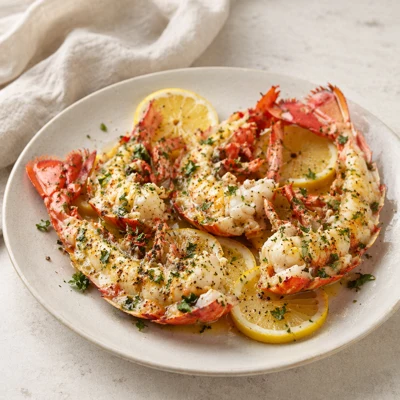
Lobster Dubhghlasach deserves a presentation that feels special but not fussy. Serve it in a shallow bowl or on a warm plate so the sauce can pool around the lobster and catch the light. A final sprinkle of parsley adds color, while a thin twist of orange peel can reinforce the citrus aroma. If you want a more substantial meal, spoon it over buttered rice, creamy polenta, or crisp roasted potatoes.
For a dinner-party setting, keep the sides simple so the lobster remains the focus. A green salad with a light vinaigrette, roasted asparagus, or steamed green beans all work well. Warm bread is also a smart addition because it lets guests enjoy every drop of the sauce. If you are serving sparkling wine, use tall, elegant glassware and chill the bottle well so the bubbles stay lively from first sip to last.
This is the kind of dish that feels right for an intimate date night, a holiday appetizer, or a celebratory seafood dinner. The goal is to let the buttery sweetness and citrus aroma shine, while the wine adds lift and contrast.
Frequently Asked Questions
What wine goes with langostino lobster?
The best wine with langostino lobster is usually a crisp Chardonnay, Blanc de Blancs sparkling wine, or Albariño. Look for bright acidity and enough body to match the butter. Those styles complement the sweet shellfish and orange notes without overwhelming the dish.
Is langostino lobster the same as lobster?
Not exactly. Langostino is often treated like lobster in recipes, but it has a slightly different texture and flavor. It is sweet, tender, and versatile, which makes it a great choice for a dish like Lobster Dubhghlasach. It also pairs well with the same wines you would choose for lobster.
Can I use cooking lobster tails instead of langostino lobster?
Yes. If you are using lobster tails, keep the cooking gentle and avoid overcooking. The orange-butter sauce works beautifully with lobster tail meat. Just adjust the cooking time so the meat stays tender and juicy, then pair it with a bright white wine or sparkling wine.
What is the best budget wine pairing for langostino lobster?
For a budget-friendly langostino lobster wine pairing, look for a crisp Chardonnay or sparkling wine from California, Oregon, or Spain in the $15-30 range. Trader Joe’s, Total Wine, BevMo, and local wine shops often carry good options that deliver freshness and balance.
Does orange juice really work in lobster recipes?
Yes, orange juice adds sweetness and acidity, which helps balance the butter and highlight the lobster’s natural flavor. It creates a brighter, more layered sauce. That citrus note also makes the dish more wine-friendly, especially with wines that have lively acidity or citrus aromas.
What side dishes go best with langostino lobster?
Simple sides work best: buttered rice, roasted potatoes, asparagus, green beans, or crusty bread. These sides support the sauce without competing with it. If you want a more elegant plate, keep the flavors clean so the lobster remains the star.
Conclusion
Lobster Dubhghlasach is proof that a few well-chosen ingredients can create something truly memorable. With its buttery texture, sweet seafood flavor, and bright citrus finish, it is a natural fit for thoughtful wine pairing. Whether you choose a Burgundy Chardonnay, a sparkling wine from Carneros, or a crisp Albariño, the right bottle can make langostino lobster feel even more luxurious. If you are looking for a new seafood favorite, this is a recipe worth adding to your rotation. Explore more pairing ideas with Gastrona and discover how easy it is to turn dinner into an experience.